
5 Essential Spices in Indian Cuisine
3 September 2020
This is a subtitle for your new post
Indian cuisine is known for the wide assortment of spices used in each dish, which creates the unique and aromatic flavour found in every bite. These spices are used both whole and ground and are mixed together to create complex yet delicious spice blends. The possibilities are infinite for these spices—and this is one of the most beautiful things about the cuisine!
While many people may find Indian food intimidating because of the sheer amount of ingredients used, the reality is that it’s not as difficult as it seems. Identifying and understanding the spices we use will make it easier to know which ones to use in specific dishes. Here are five essential herbs used in Indian cuisine:
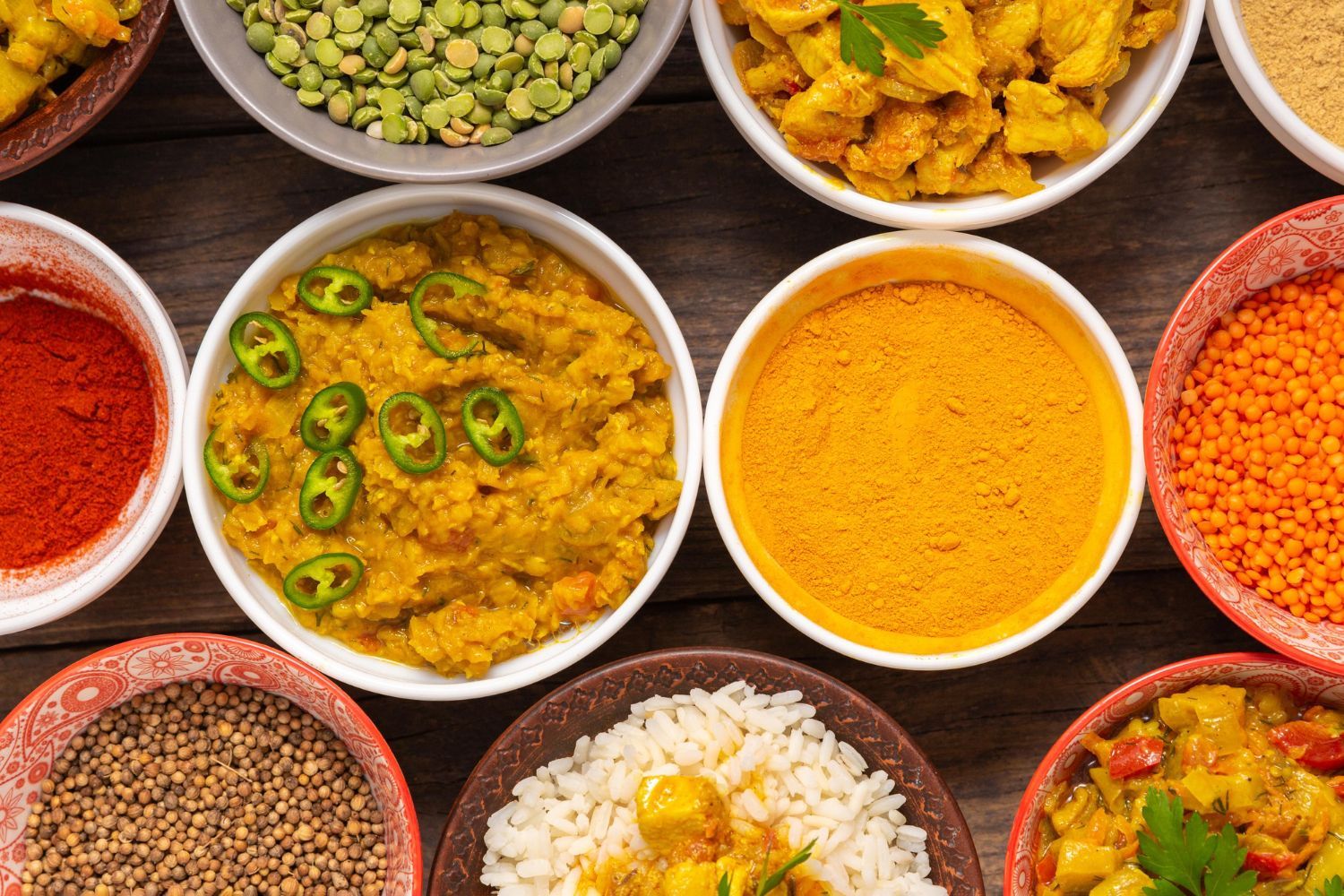
Coriander seeds or dhaniya
Coriander is one of the most popular spices in Indian cooking, and it is found in our own Bombay Aloo and Mushroom Bhaji dishes. It offers a tangy and distinct lemon flavour to dishes while supplying depth to food like curries. It’s known for its health benefits, as it has anti-inflammatory, anticoagulant, and detoxifying properties.
Cumin seeds or jeera
This spice has been used for thousands of years as a seasoning for soups and bread. While many dishes make use of cumin seeds, it is sometimes ground into a fine powder for other dishes. It has a rich, smoky flavour that is unmistakable in smell and taste. Cumin also has some health benefits: it helps treat diarrhoea and vomiting.
Cloves or laung
Cloves are an incredibly fragrant spice that adds plenty of aroma to Indian food. It’s also a spice that is heavily used for its health advantages: clove oil is popularly used in aromatherapy, and clove extracts are used in dentistry for temporary fillings, general gum pain, and even root canal therapy.
These aromatic flower buds are also rife with vitamins, bearing abundant amounts of omega-3 fatty acids, vitamin K, vitamin C, and manganese. This adds to the overall healthiness of Indian cuisine, which is not only delicious but nutritious.
Cardamom or elaichi
This quintessential Indian spice is particularly notable in Chicken Kurma, which is also flavoured with cinnamon and cashews. Like most other Indian spices, it can be used whole or crushed. Indian cooking uses two types of cardamom: green and black. The green variety is more commonly found in spice mixes, desserts, and even the zesty lassi. It has a light and sweet flavour that makes it flexible to use across different types of food, whether sweet or savoury. It is also said to aid in digestion while refreshing the mouth.
Black cardamom is a much more smoky and powerful variant and must be approached with care. Given its potent and spicy flavour, many people use only its seeds when cooking. Otherwise, using the whole pod in a dish might result in someone biting into it, which may not be the most pleasant experience.
Turmeric or haldi or manjal
One of the most common Indian spices, turmeric is part of the ginger family and can be used fresh or dried. It bears an intense fragrance and lends a vibrant, golden colour to many dishes, like curries. Turmeric naturally has a strong flavour, which is more present when fresh than dried.
It also has a host of health benefits. It has robust anti-inflammatory properties that can help ease swelling and has medicinal properties that support immune system functions. It is even found to lower LDL cholesterol, also known as “bad” cholesterol.
Conclusion
Indian cuisine is just as colourful and vibrant as its culture and offers a variety of flavours and experiences thanks to these essential spices. Now that you know five of the most essential spices used in Indian cooking, you'll know which ones are responsible for the aromas that constantly make your mouth water!
Looking for the best Indian restaurant near London Bridge? Be sure to pay Tower Tandoori a visit! We are one of London’s oldest Indian restaurants that serves up authentic delicacies and dishes. Order online
today!
Plan seamless corporate meals at Indian restaurants near Tower Bridge in London with guidance on invoicing, AV, diets, timing and set menus
Find tips for choosing Indian restaurants near Tower Bridge in London for family meals, from kid friendly menus to group seating and takeaway options
Plan a cheap Tower Bridge weekend with free sights, market timing tips and a fixed price meal at a curry restaurant in London near Bermondsey.
Plan group dining at a tandoori Indian restaurant with veg, vegan, halal and gluten free choices plus mild to hot spice options for everyone.
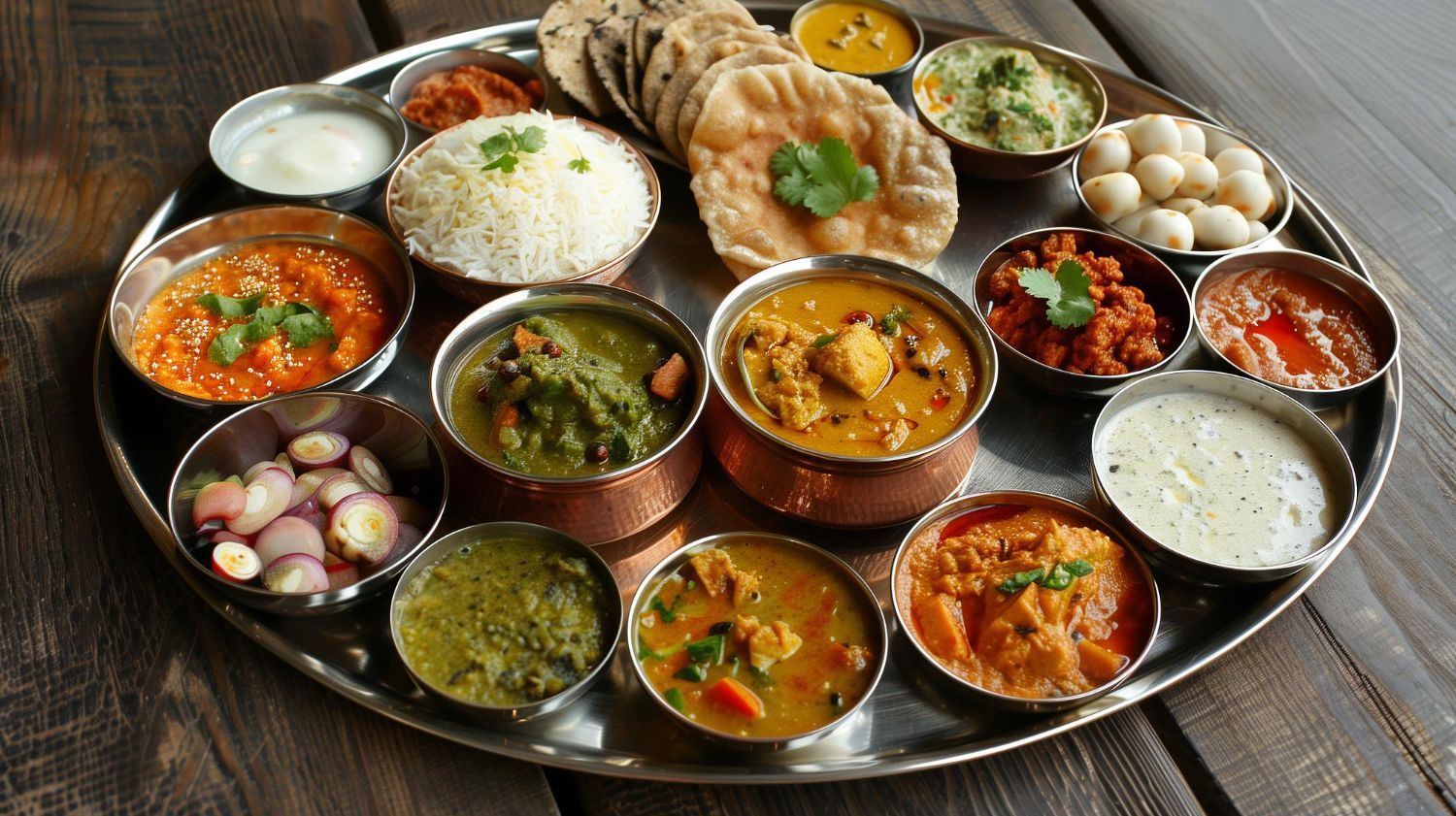
Discover how a modern Indian restaurant in London blends tradition with innovation, from charcoal tandoor classics to bold contemporary dishes near Tower Bridge.
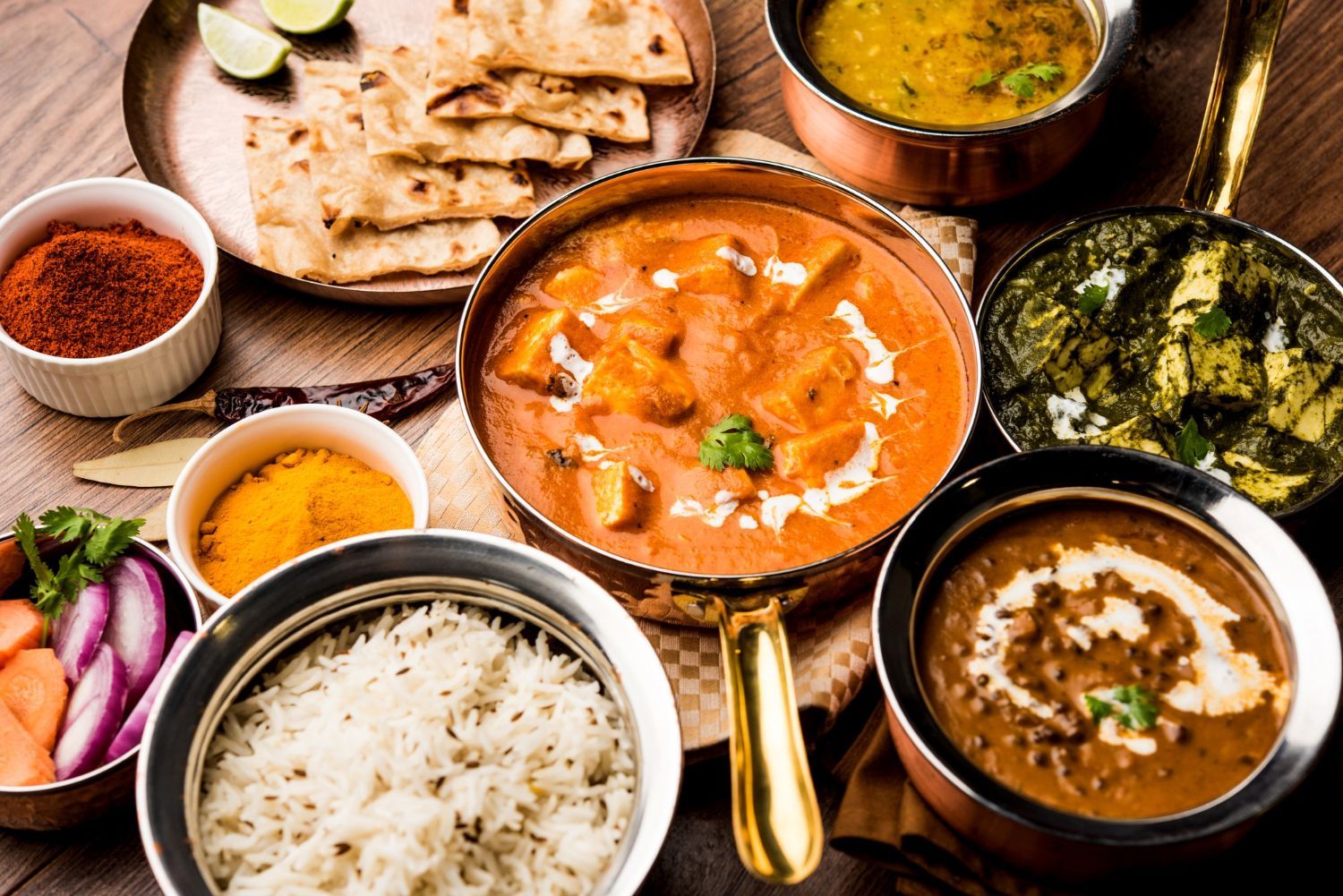
Compare shared platters, thalis and set menus to suit portions, spice and dietary needs at an Indian restaurant in Tower Bridge for great value
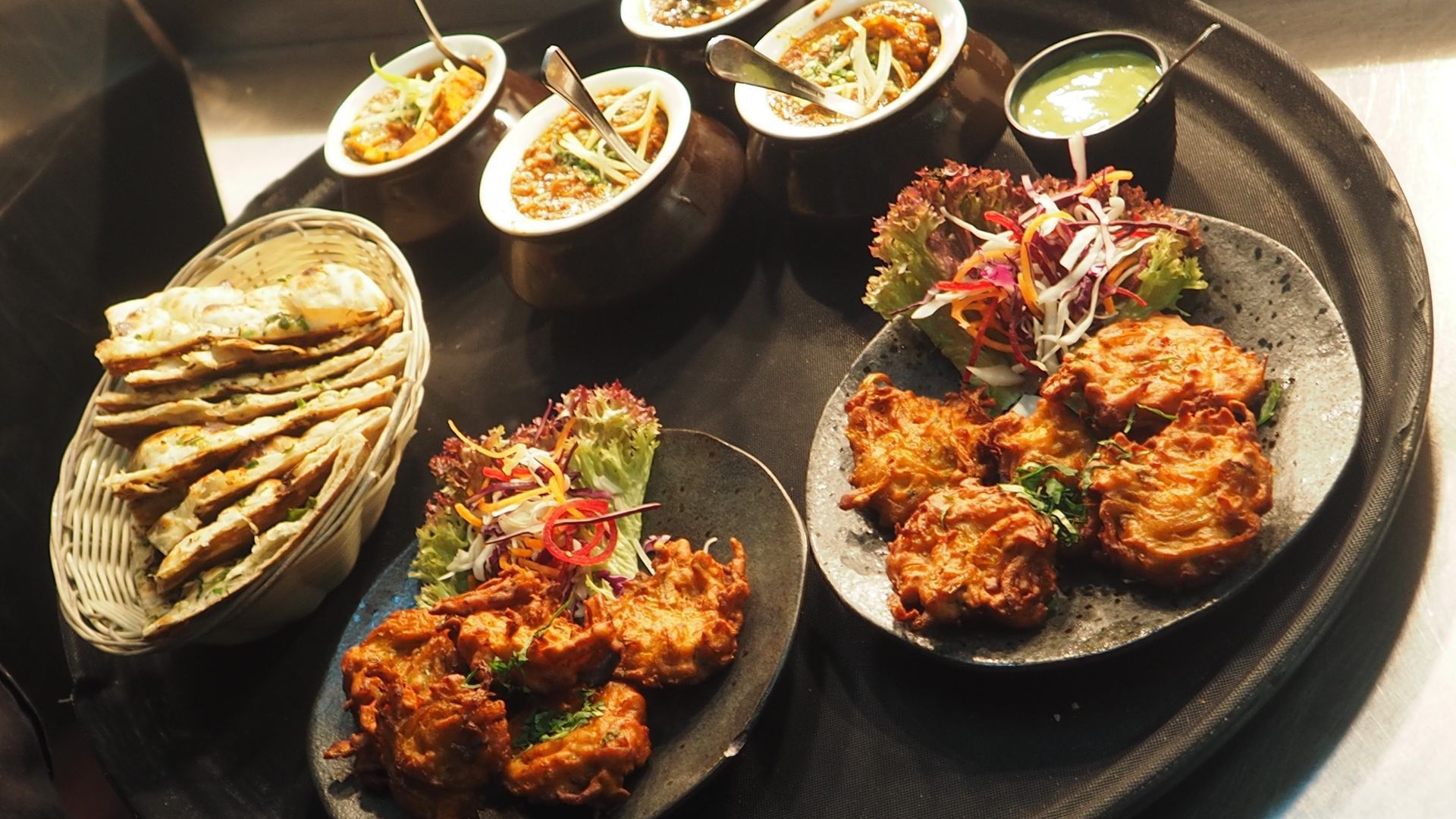
Discover deals, set menus and BYOB tips for an affordable Indian restaurant in London, with borough by borough picks and bill splitting advice.
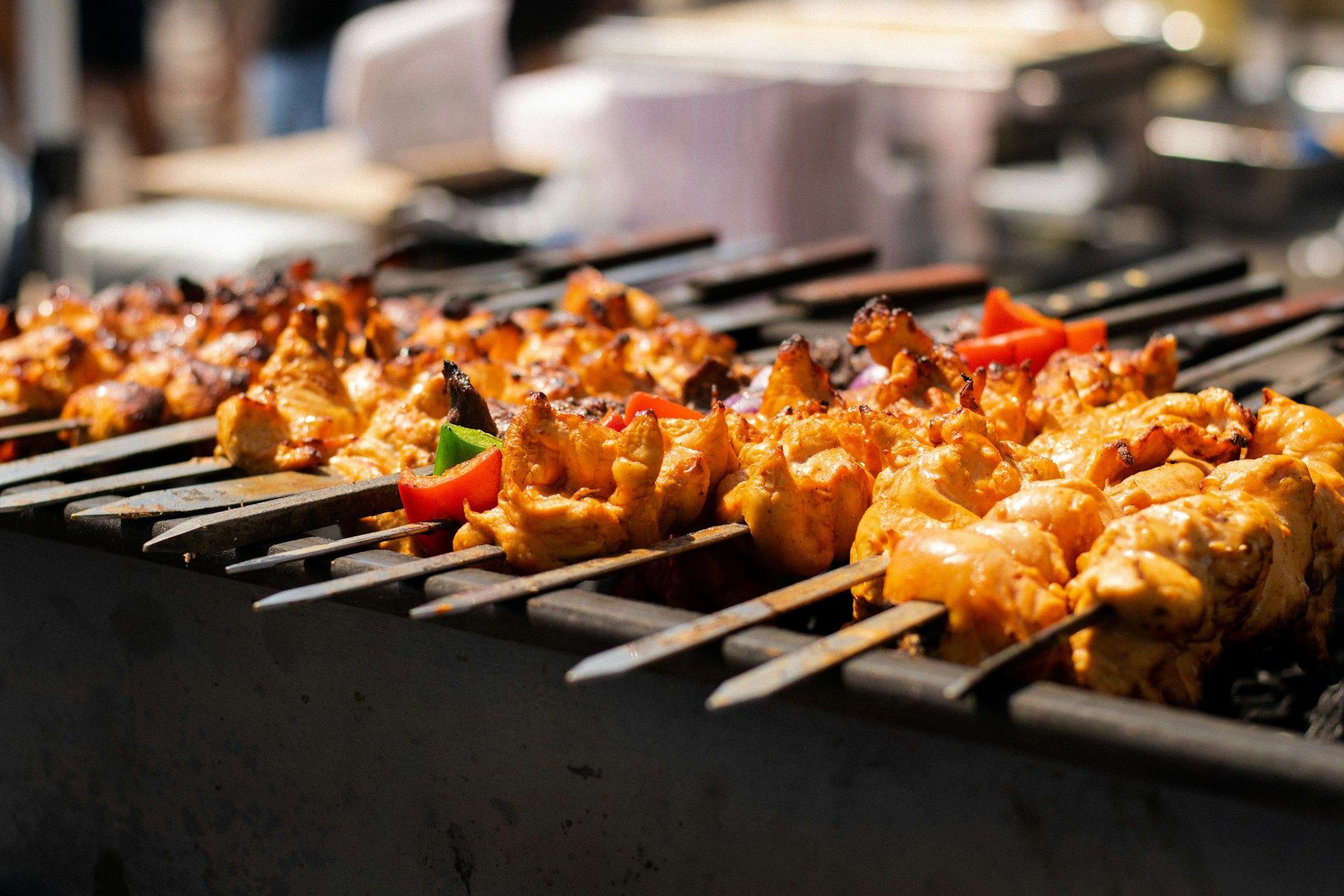
Plan a relaxed evening at an Indian restaurant in Tower Bridge with a course by course order, sharing ideas, pairings and pacing tips for two
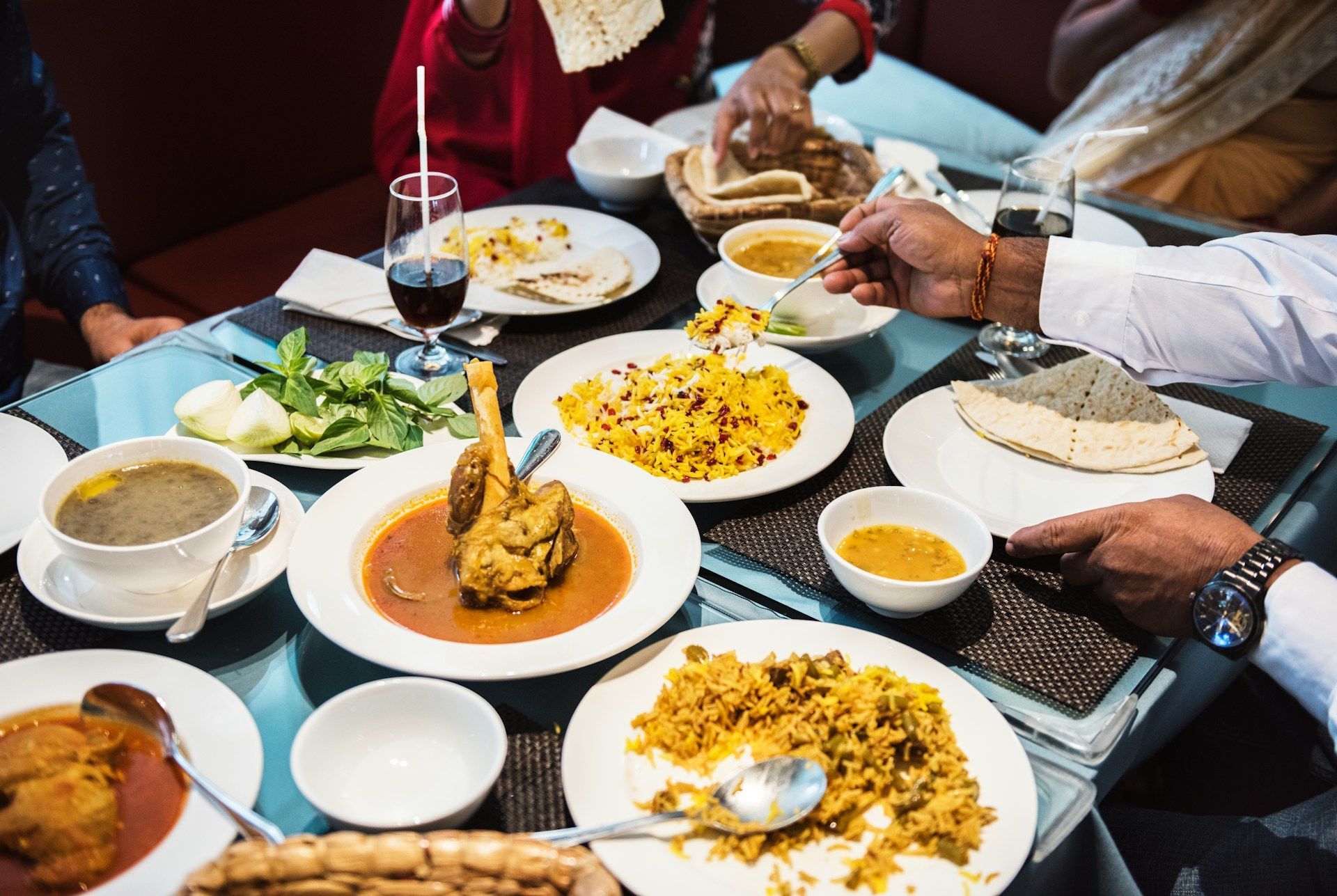
Discover a family-run spot by Tower Bridge offering charcoal tandoor classics and all-day dining at an Indian restaurant in London near the riverbank
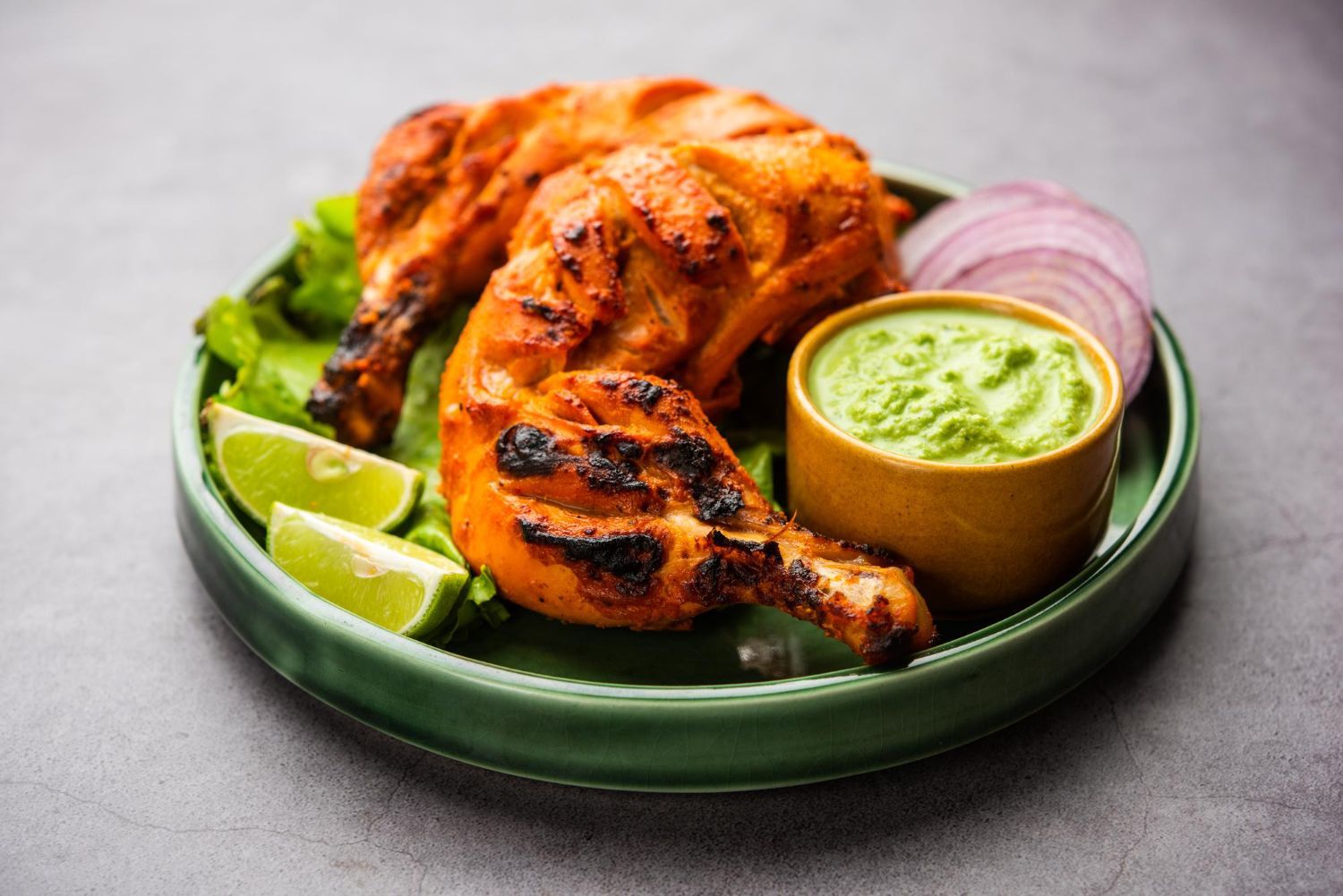
Discover what charcoal tandoori really changes in flavour, texture and cook time at an Indian restaurant near Tower Bridge, with side by side dish comparisons.