Charcoal vs Gas Tandoors Near Tower Bridge: Smokiness, Texture, Timing
Charcoal Secrets Behind Tower Bridge's Favourite Tandoori
Cooking over real charcoal is not just about the look of a traditional clay oven or the glow of embers. It changes how food tastes, smells and even feels when you bite into it. If you enjoy tandoori dishes and curries, it helps to know what charcoal actually does compared with gas or electric tandoors.
Near Tower Bridge in Bermondsey, our team has been tending charcoal tandoors since the late seventies. We blend those old-school clay ovens with the classic British Indian curry house dishes many guests grew up with. Here we are going to bust a few myths about charcoal, explain how it affects smokiness, texture and timing, and share a side-by-side dish comparison to help you choose your next order at an Indian restaurant near Tower Bridge.
What Charcoal Tandoori Really Does to Flavour and Aroma
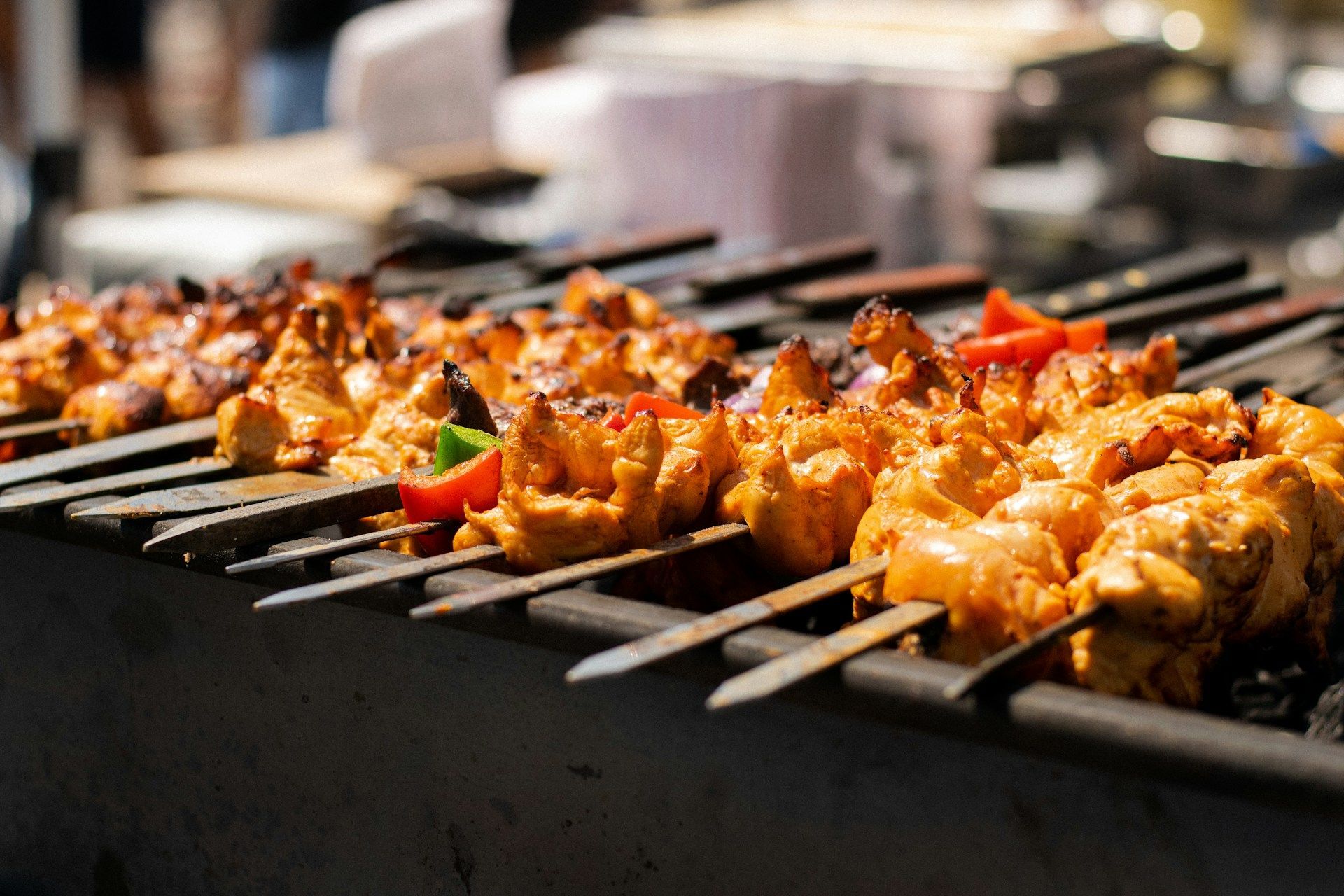
When charcoal burns, it does more than just get hot. It releases a gentle, natural smoke that wraps around the food. As marinated chicken or lamb tikka cooks, that smoke and the fat dripping from the meat create extra flavour compounds that cling to the surface.
Gas and electric heat can give you a nice roast, but they are cleaner flames. They do not add that same soft, layered smokiness. With charcoal you usually notice:
- A rounder, more barbecue-like aroma
- A light "campfire" note that sits behind the spices
- A slightly deeper flavour in the edges of each piece
There is a common myth that more burn means more flavour. In reality, too much black char can taste harsh and bitter. Skilled tandoor chefs focus on:
- Controlling how fiercely the coals are burning
- Adjusting how close the skewers are to the hottest spots
- Turning the meat at the right moment to colour it without scorching
Another mix-up is between "spice heat" and "char heat". Charcoal does not make food spicier. Instead, it lifts the natural sweetness in onions and yoghurt, the tang in lemon and the savoury notes in garlic and garam masala. You get warmth and depth, not just burn.
There is also the theatre. The sight of glowing coals, the sound of sizzling skewers and the first puff of smoke when the oven opens all prime your senses. On warm evenings when windows are open and the street carries that aroma, the flavour already starts before the plate even reaches your table.
Texture Myths: Juicy Inside, Charred Outside
A charcoal tandoor runs very hot. The clay walls and live coals can reach temperatures that standard gas or electric ovens rarely touch. This intense radiant heat hits the outside of the food fast, which helps in two big ways.
First, it creates rapid browning and little charred spots. These tiny dark bubbles on tandoori chicken or lamb chops are where a lot of flavour sits. Second, that quick sear helps keep the centre moist. Juices stay inside rather than slowly leaking out over a longer cook.
Many people think charcoal dries meat out. It can, if it is handled badly, but in careful hands the opposite is usually true. Moist, thick yoghurt marinades, short cooking times and a brief rest before serving all help keep skewers tender. This is especially clear with:
- Chicken tikka, which should be soft and slightly springy
- Seekh kebabs, which stay juicy rather than crumbly
- Tandoori king prawns, which stay plump instead of rubbery
Gas and electric tandoors can be excellent for even cooking. They often give a neat, tidy finish with a consistent colour. But the crust is usually softer and less dramatic, so you get less contrast between the smoky outside and the juicy middle.
Vegetarian dishes show the difference too. Paneer and vegetables on charcoal pick up:
- Gentle blistering on the edges
- A drier, slightly crisp surface
- A touch of smoke that cuts through richness
On gas or electric heat, the same items can taste milder and feel softer, with fewer of those charred corners that bring excitement to each bite.
Timing, Consistency and the Summer Rush Near Tower Bridge
Charcoal ovens behave like living things. They need time to get going and constant care. You cannot flip a switch for instant high heat. The coals must be lit early, allowed to catch, then spread and managed.
Once the tandoor is fully fired, it is a powerhouse. Popular skewers can cook in just a few minutes. During busy evenings near Tower Bridge, that burst of aggressive heat helps the kitchen keep pace while still giving proper colour and smokiness.
Some people think charcoal is slow, but the slow part is the setup, not the cooking. Gas and electric models are the other way round:
- They fire up quickly and are easy to control
- Temperatures can be set and held with little effort
- To get the same degree of char, food may need to sit in longer
That longer, gentler time can shift the texture slightly, making some items a touch drier or less bouncy in the middle.
Through the evening, a charcoal tandoor changes as the coals burn down. Experienced chefs respond by:
- Reading the glow and ash on the embers
- Moving skewers to hotter or cooler zones
- Adjusting the order of dishes to keep results steady
So the first early guests and the last late-night table both get food that feels consistent, even if the fire itself is never completely still.
Side-by-Side Dish Showdown: Charcoal vs Modern Heat
To really see the difference, it helps to compare the same dishes side by side in your mind.
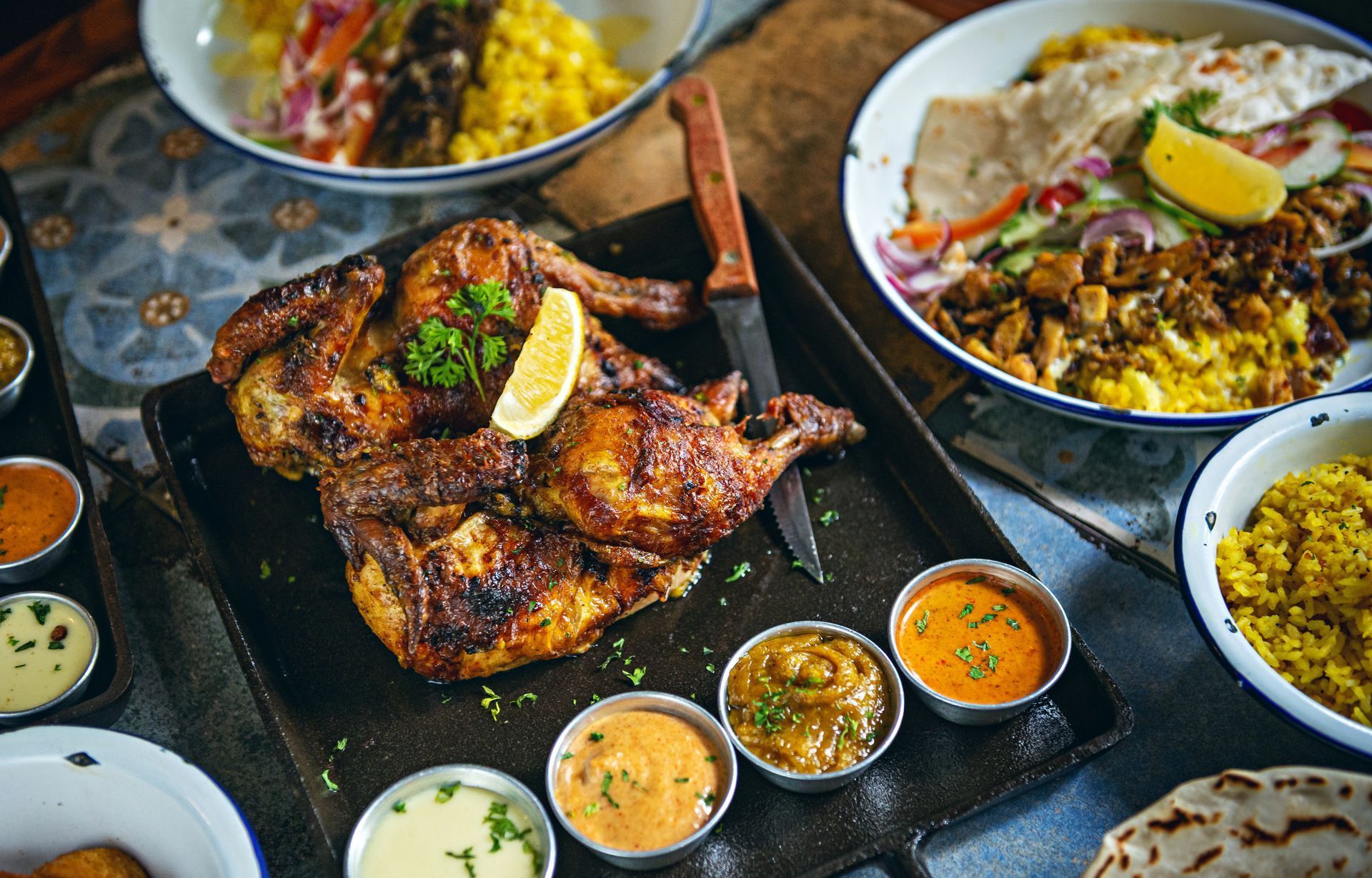
Tandoori chicken on charcoal usually has:
- Darker charred bubbles along the skinless surface
- A smoky aroma that hits you as the plate lands
- A slight crisp edge that gives way to juicy, tangy meat
Cooked with gas or electric, the colour may be more uniform and bright, the surface smoother, with a cleaner but milder flavour.
Lamb chops or lamb tikka benefit a lot from smoke. The fat loves the charcoal, picking up rich grilled notes. Those pieces, when folded into a curry like a madras or bhuna, bring extra depth to the sauce. Gas-cooked lamb still works well, but it tends to offer pure spice and tomato rather than that extra grilled layer.
Paneer tikka over charcoal gets little char marks, a firmer bite and a gentle smoky shell that stands up to chutneys. On modern heat, it is often softer, creamier and more delicate.
Naan and garlic naan come out slightly different too:
- Charcoal: puffier pockets, crisp edges and scattered blisters
- Gas or electric: softer all over, with fewer dark spots and a more even colour
So who might prefer what?
- Fans of barbecue, grilled meats and bold flavours often love charcoal
- People who like gentle, very clean tastes may prefer the smoother style of gas or electric cooking
- Bread lovers who enjoy texture contrast usually lean toward tandoor naans with deep blisters and chew
How to Taste the Difference at an Indian Restaurant Near Tower Bridge
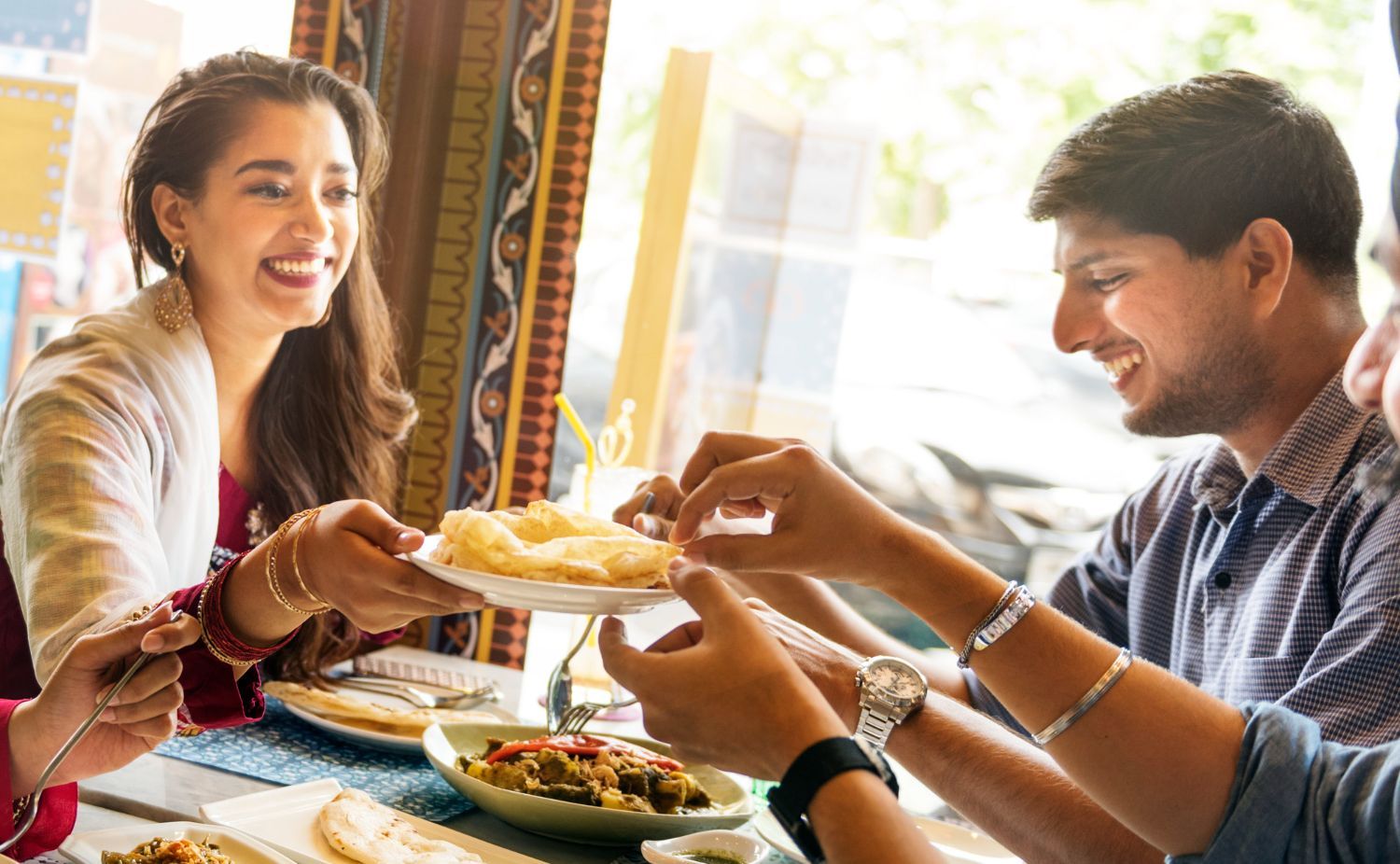
If you are planning a visit to an Indian restaurant near Tower Bridge, you can run your own mini tasting session. Order a mix of dry tandoori grills, breads and saucy curries and pay close attention to what charcoal might be doing on your plate.
A few simple tasting tips help:
- Try a piece of tandoori chicken plain first, without chutney
- Then add chutney or squeeze lemon and notice how the smoke sits behind the new flavours
- Tear off the edge of a naan bubble and compare it to the soft centre
- Take a sip of beer, lassi or wine and see how long the grilled notes linger
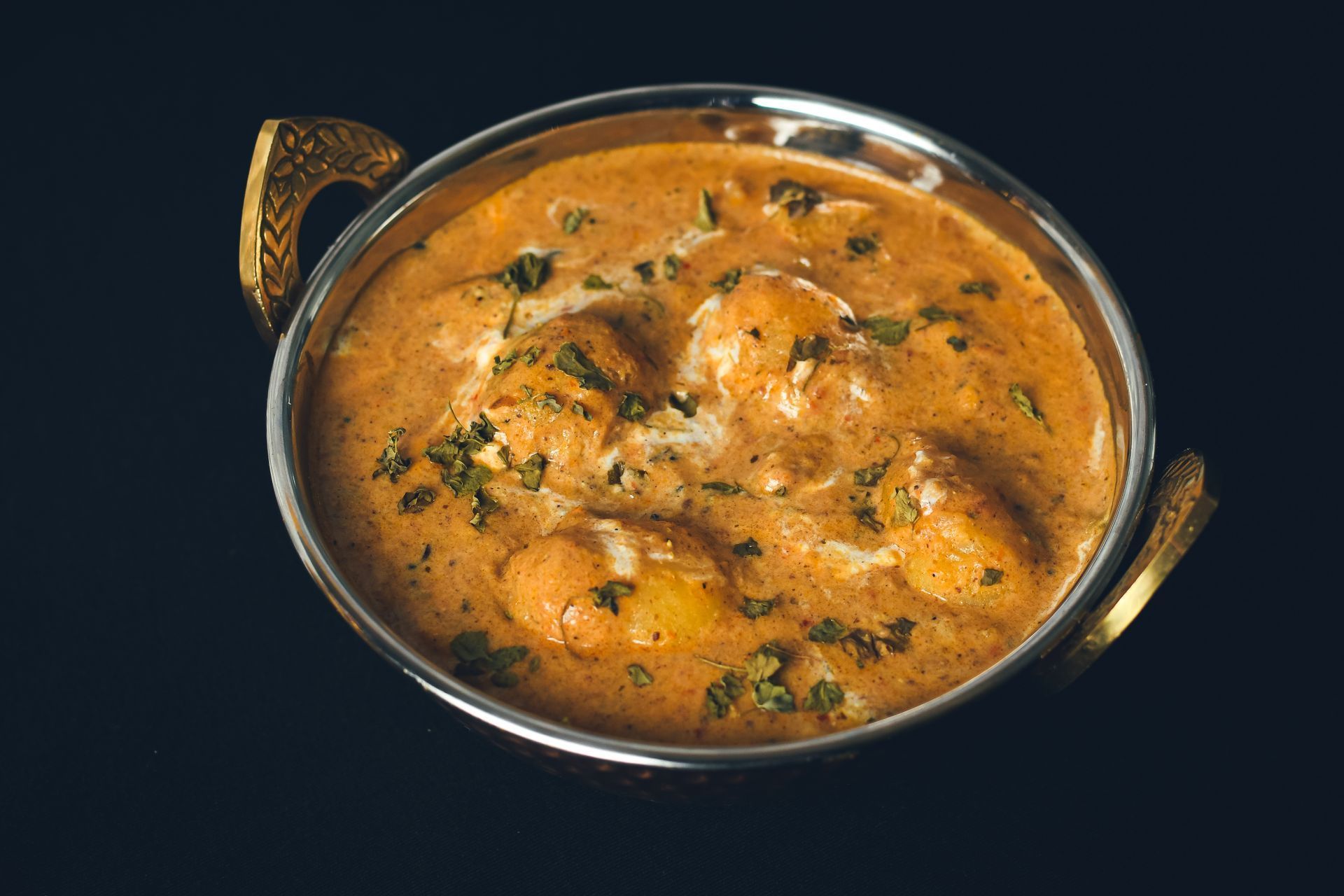
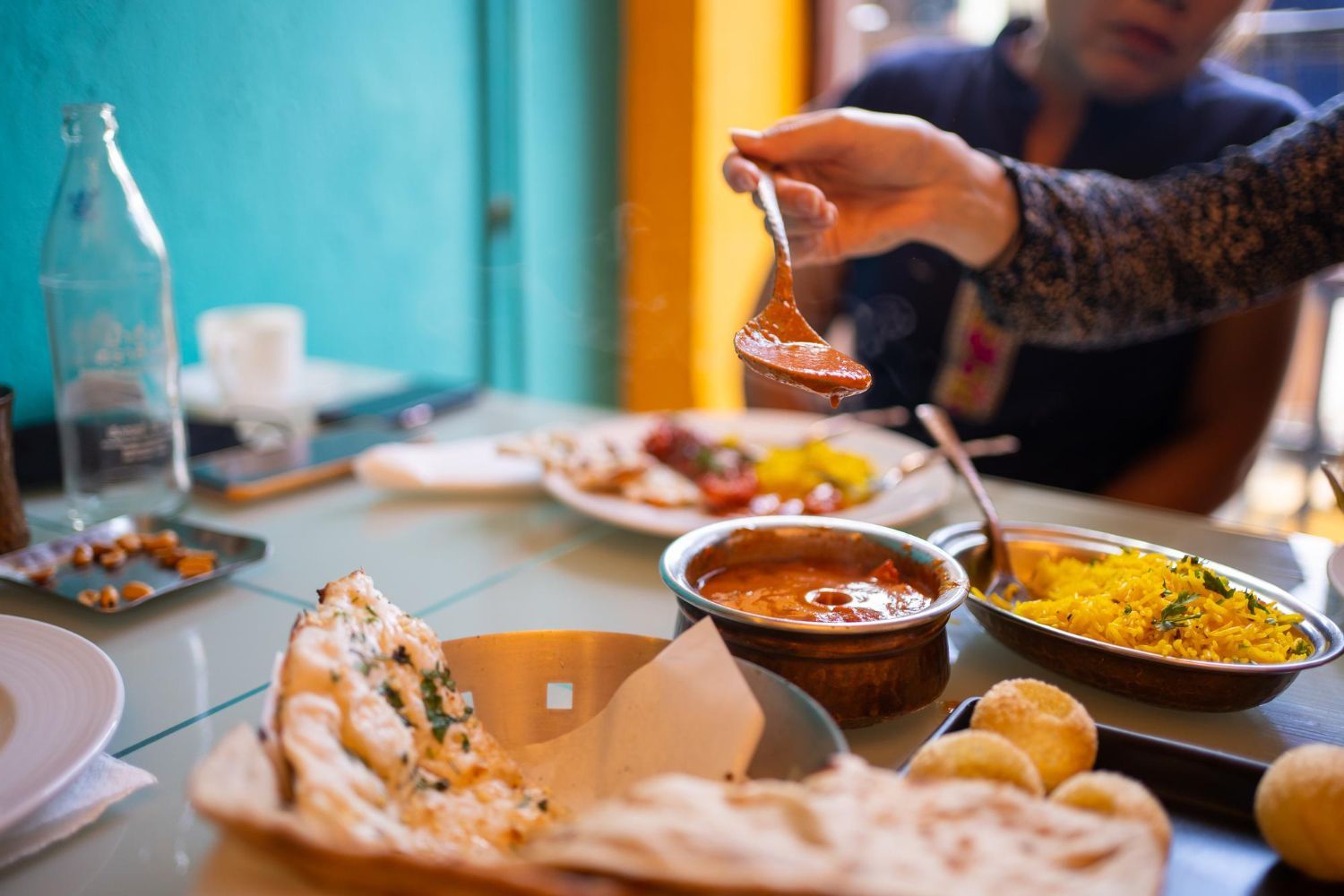
It is also fun to mix grilled items with curry. Drop a smoky piece of lamb tikka into a spoonful of sauce and compare that bite to one with only the curry. The change is often clear, even for people who do not think of themselves as food experts.
At Tower Tandoori, our family has cooked over charcoal tandoors in Bermondsey for generations, serving both classic British Indian curries and traditional grilled dishes. Next time you are near Tower Bridge, sit close enough to watch the clay oven at work if you can, breathe in the first waft of smoke as your food arrives, and decide for yourself what charcoal really adds to your meal.
Experience Authentic Indian Flavours Minutes From Tower Bridge
If you are looking for a relaxed, welcoming place to enjoy classic Indian dishes after exploring the riverside, our team at Tower Tandoori is ready to look after you. Discover why so many locals and visitors choose our
Indian restaurant near Tower Bridge for flavour-packed curries, fresh tandoori grills and regional specialities. Book a table or ask any questions you may have by using our
contact page so we can help you plan your next meal.