Chef’s Charcoal Tandoori Timeline: Heat, Skewers, and Service Rhythm
Inside a London Tandoor on a Friday Night
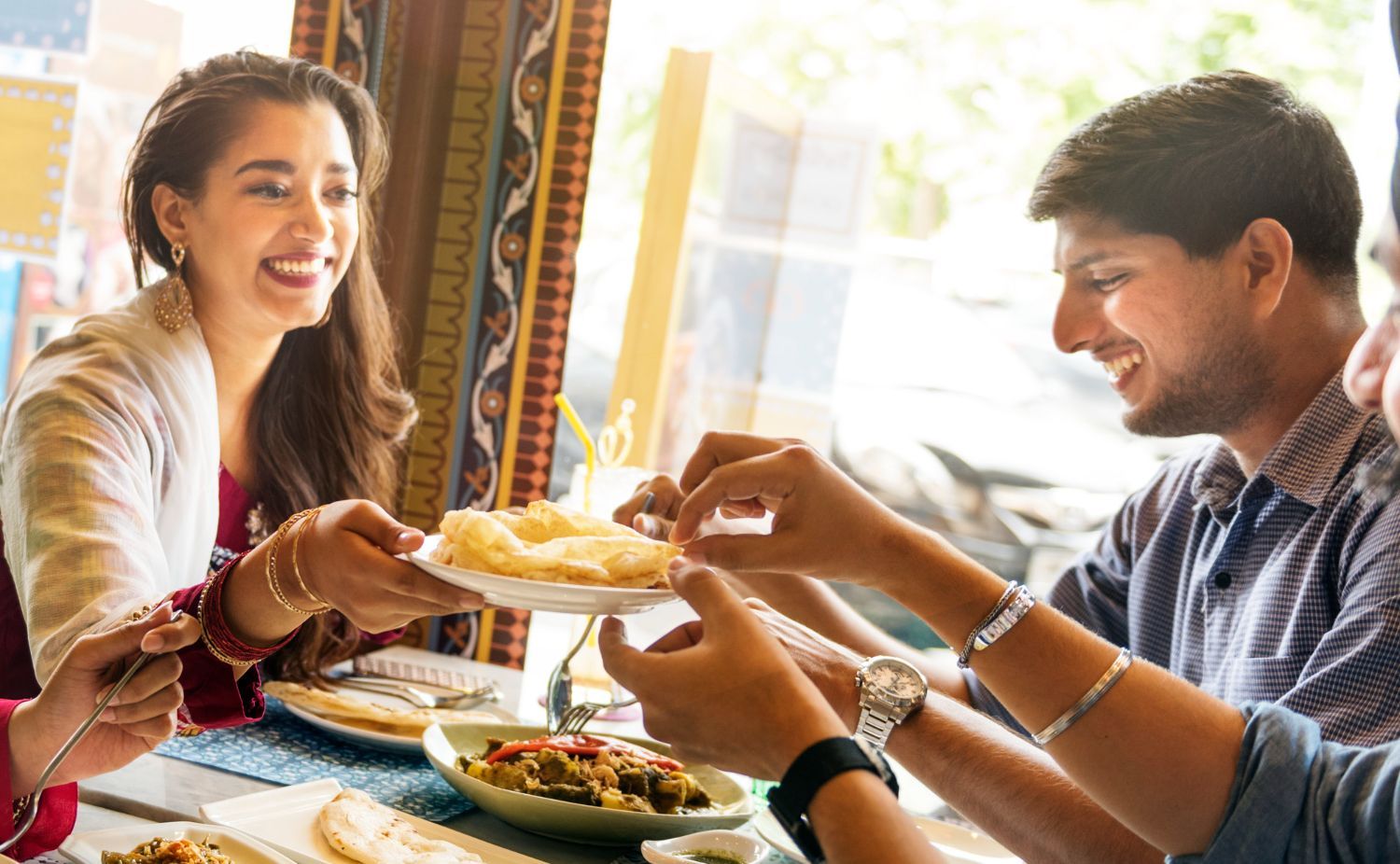
A busy tandoori Indian restaurant on a Friday night runs on heat, timing, and instinct. Out in the dining room, you see plates, smiles, and steam. In the kitchen, we see glowing charcoal, skewers lined like soldiers, and tickets clipped in a steady, never-ending row.
At Tower Tandoori near Tower Bridge, our whole evening is built around the tandoor. When the doors open at 5:30pm, that clay oven is already awake, breathing heat into the room. In this article, we are walking you through a full Friday night from our side of the counter, from the first basket of charcoal to the last naan slapped on the wall of the tandoor. By the end, you will know the rhythm behind the char, and why your mixed grill lands at your table at just the right moment.
Waking the Coals Before Sunset
The day starts long before the first guest arrives. The afternoon ritual sets the tone for everything that follows.
We begin by caring for the tandoor itself. The clay is our partner, so we:
- Scoop out yesterday’s fine ash so fresh charcoal can breathe
- Check the clay walls for cracks or loose spots
- Wipe the rim where the naan will cling and puff
Then comes the charcoal. For a long summer evening, we need a steady, predictable burn. We choose pieces that are not too small, not too huge, so they catch fast but do not vanish in an hour. The first load goes in early, so the oven can rise gently to temperature instead of racing there.
Heat in a tandoor is not just a number. We watch and listen:
- The charcoal shifts from black to grey to a soft red glow
- The air around the mouth feels hot but not harsh
- There is a low, even roar instead of sharp pops and sparks
At the same time, we are thinking about the kitchen as a whole. On warm summer days in Bermondsey, the tandoor can turn a small space into a sauna. We keep doors moving, fans working, and breaks short but often, so the team stays sharp. A tired chef makes slow decisions, and slow decisions mean dry tikka.
First Wave: Building the Evening’s Rhythm
By the time the first guests sit down, the coals are ready and the marinades have had time to rest. The early orders are the ones that set the rhythm for the night.
We like to begin with:
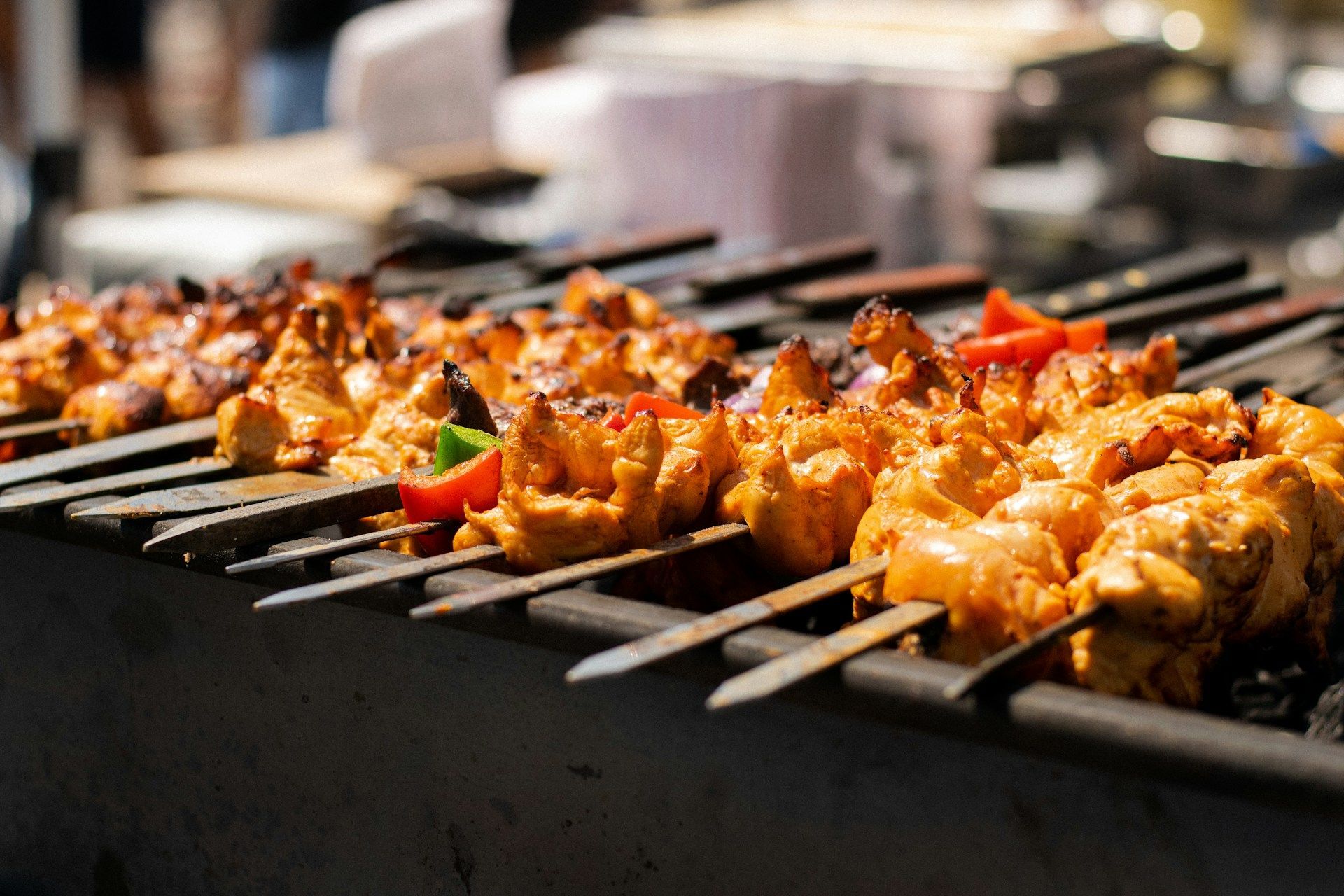
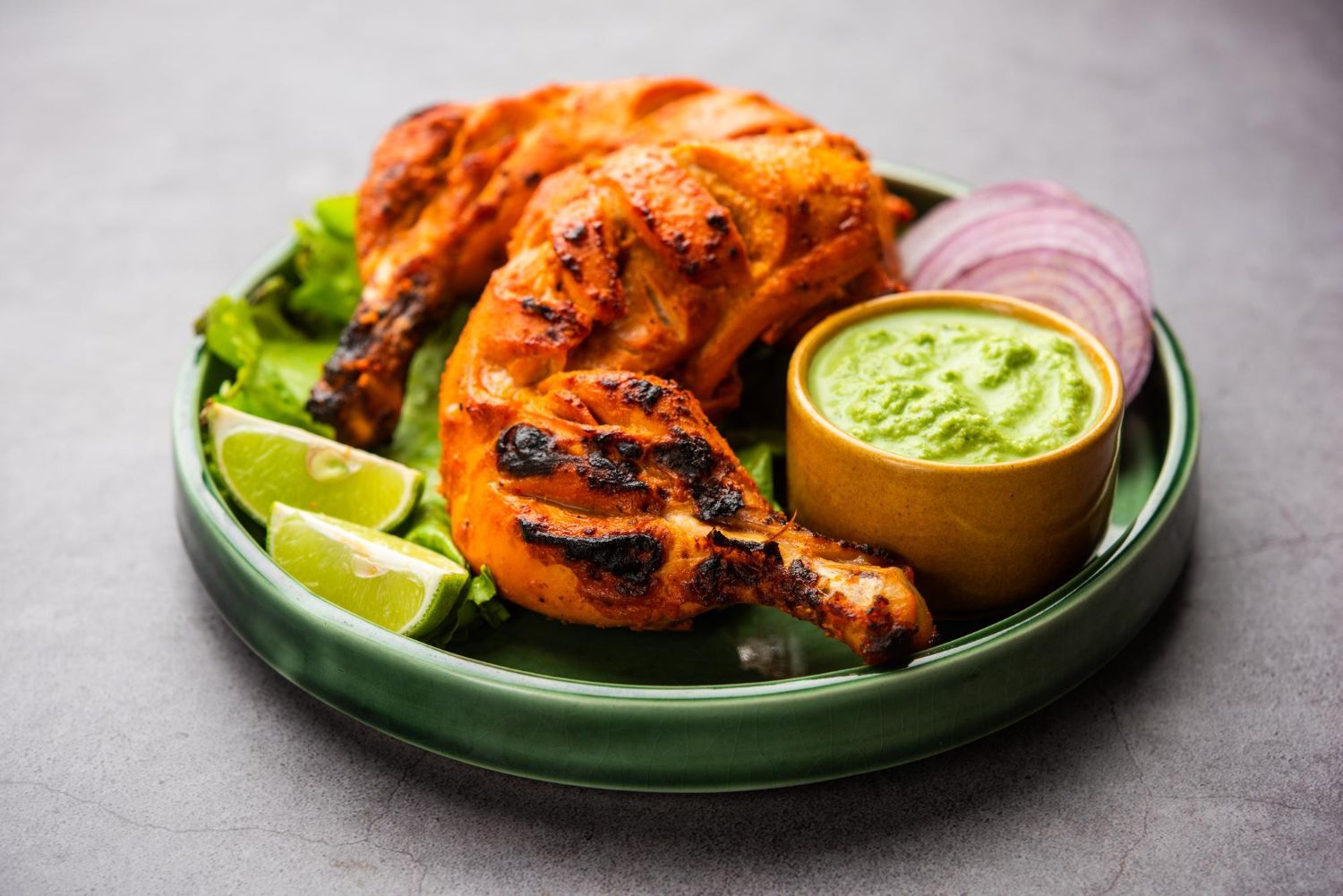
- Chicken tikka to wake up the clay with its yoghurt and spice
- Lamb seekh kebabs to add a gentle drip of fat and flavour
- Paneer and vegetables to season the walls without overwhelming them
These first skewers are not only for guests; they also help stabilise the heat. A tandoor that is too fierce will burn the outside of the meat before the centre is cooked. A tandoor that is too soft will dry things out. The juices from the first batch help the clay settle into a sweet spot.
Inside the oven, skewer placement is like a small dance. Different ingredients like different positions:
- Juicier meats hang closer to the centre, where heat is strongest
- Delicate paneer and veg sit higher, where the heat is gentler
- Thicker pieces lean at a slight angle, so one side does not char too fast
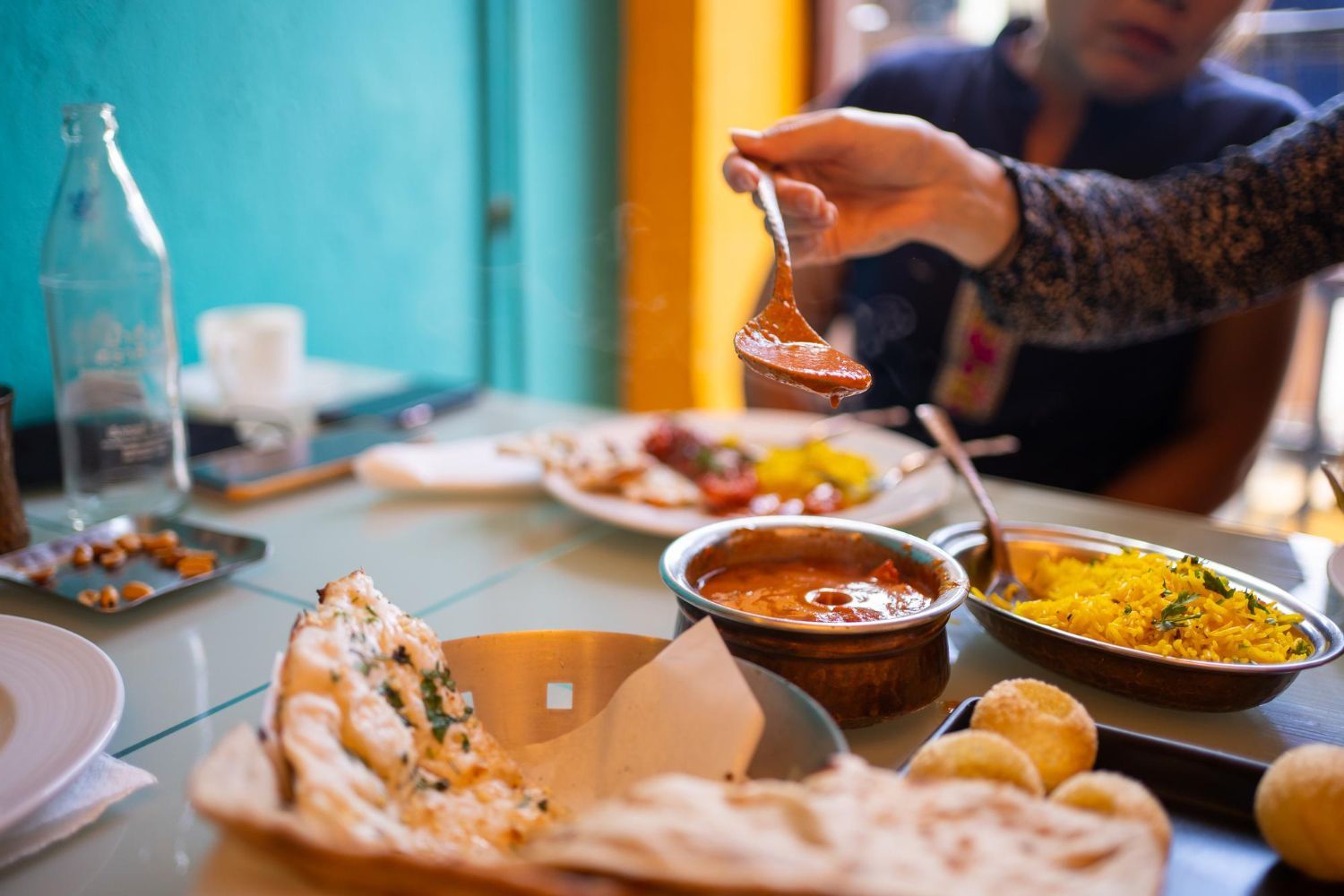
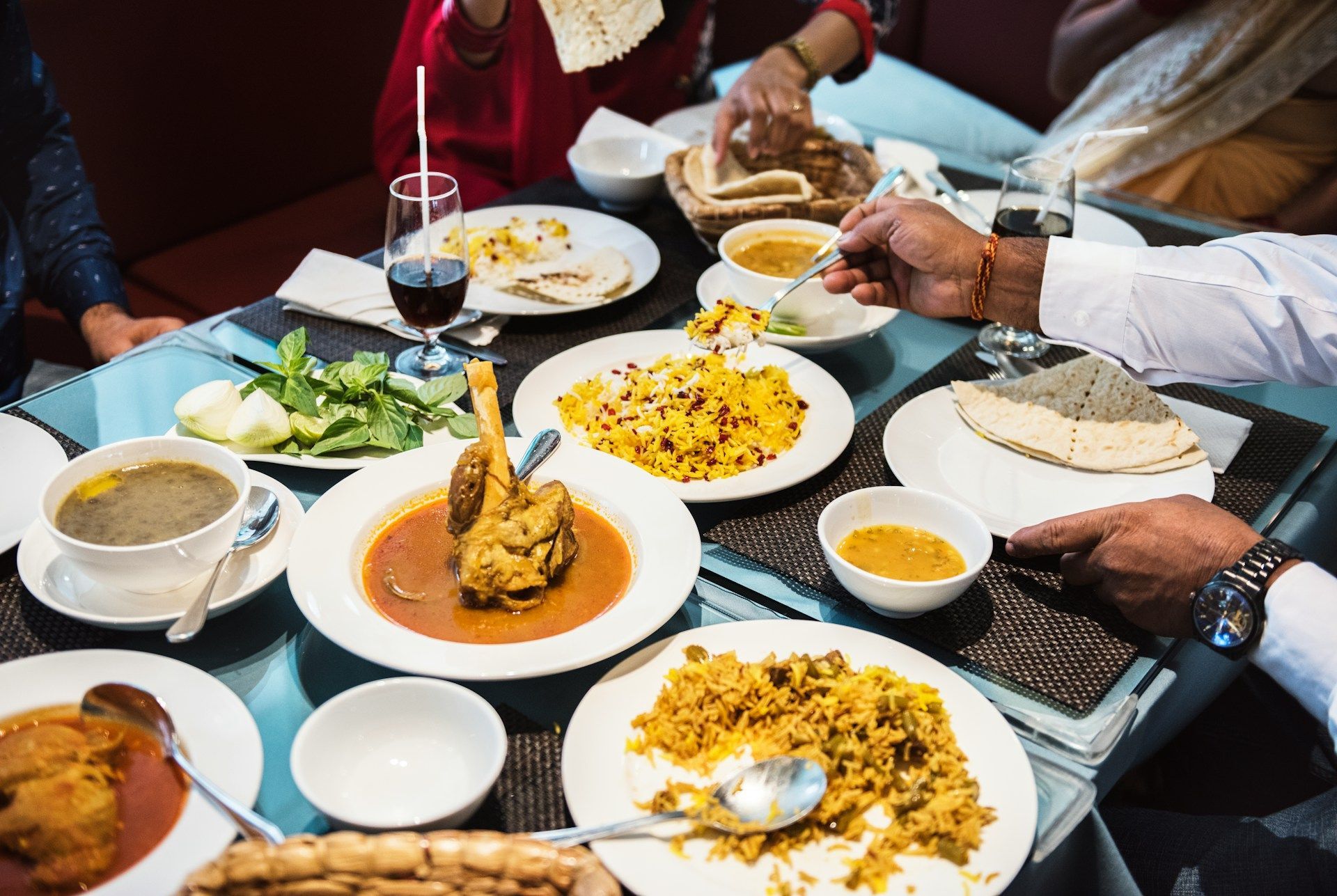
At the same time, we are in constant talk with the curry station. If a table has a biryani, a couple of curries, and a mixed grill, we count backwards from when we want the plates to land together. Naan and tandoori items often go last because they cook fast. Curries simmer a bit longer, so they usually start first. When it works well, the server lifts a full tray and everything reaches the table hot and in sync.
Peak Hour Fire Dance at a Tandoori Indian Restaurant
By around 8pm, the tandoor is at its busiest. The dining room is full, walk-ins drift over from Tower Bridge, and delivery tickets stack up. This is where heat management turns into a kind of calm fire dance.
Our focus shifts to triage. We look at the rail and group:
- Big tables that need several mixed grills at once
- Smaller tables with just one or two tandoori dishes
- Vegetarian platters that must stay separate and clean
Skewer order matters. If a large group has ordered multiple grills, we start their heavier meats first, then thread in smaller skewers for other tables between them. The tandoor wall becomes a map in our heads. We know which hook holds which order, how long it has been there, and what has to turn next.
We rely more on sight, smell, and feel than on timers. We read:
- The way the edges of a tikka piece tighten and pick up colour
- The shine on a kebab, telling us if it needs one more basting
- The small puff of smoke when fat hits hot charcoal below
Under pressure, little habits keep us steady. Tongs always in the same place. Basting bowl always on the same side. Verbal checks with the curry chef every few minutes. The goal is simple: keep the heat consistent, keep food moving, and never let quality slip, no matter how long the ticket rail looks.
Late Service, Last Embers, and Summer Evenings
After about 10pm, the pace usually starts to slow. We do not want to waste charcoal, but we cannot let the tandoor fade too quickly. Late tables and last-minute orders still deserve perfect char.
We start to ease the fire down by:
- Spreading coals out so the heat levels gently
- Stopping any big fresh loads of charcoal
- Focusing on faster items like naans, tikkas, and a few kebabs
The last part of the night feels different. Conversation in the dining room softens, and the clink of cutlery replaces the earlier rush of orders. We use this time for quiet jobs: wiping the tandoor rim, cleaning tools, noting what sold fast so we can plan tomorrow’s marinades.
Pulling the final skewers is always a small moment. We check the clay walls one more time, close things down, and step outside. On a warm London evening, the air near Tower Bridge feels cool and light after hours by a charcoal oven. The smell of smoke and spice still hangs on our clothes, a reminder of another full service and the regulars who make it worth the heat.
Experience the Heat, Rhythm, and Char for Yourself
Reading about a Friday night is one thing, tasting it is another. The tandoor is all about live fire, and that is something you feel as soon as a hot plate hits the table.
For a full tandoor experience at Tower Tandoori, we tend to suggest:
- A mixed grill so you can try different cuts and marinades
- A couple of signature tikkas to taste that clay oven depth
- Fresh naans, ordered in stages so they reach you puffed and hot
If you are planning a summer weekend near Tower Bridge, it is wise to book ahead, especially for peak Friday evenings. When you arrive, ask the team what the chef is most proud of that night. Some guests like to pair richer grills with lighter drinks, and softer curries with something a bit bolder, so your meal feels balanced from first bite to last.
The timeline you have just walked through, from waking the coals to closing the tandoor, plays out in our kitchen every week. Each skewer, each naan, each careful turn with the tongs is part of that quiet rhythm. When you sit down in Bermondsey and see the first wisp of steam rise from your plate, you are catching the end of a story that started long before the doors opened.
Savour Authentic Flavours With A Memorable Dining Experience
Discover why Tower Tandoori is the local favourite for refined Indian cuisine, crafted with care and rich tradition. Explore our menu and learn more about our heritage as a trusted
tandoori Indian restaurant. Whether you are planning a cosy meal for two or a gathering with friends, we will help you find the right dishes to suit every taste. If you have any questions or special requests, simply
contact us and we will be happy to help.