How to Deal with Common Issues in Indian Cooking
Cooking Indian food at home can be a rewarding experience, offering a delightful mix of aromas and flavours. However, it can also come with its own set of challenges. From getting the spice levels just right to managing cooking times, these common issues can sometimes turn an enjoyable cooking session into a frustrating one. Addressing these hurdles effectively can elevate your culinary experience and help recreate authentic dishes that everyone will love.
In this guide, we will explore some typical problems home cooks encounter when preparing Indian meals. Whether you are a beginner eager to try your hand at making your first curry or someone familiar with Indian cooking looking to refine your skills, we'll offer practical solutions to help you along the way. Knowing how to tackle these issues will not only improve your dishes but also make the cooking process more enjoyable.
Understanding Spice Usage
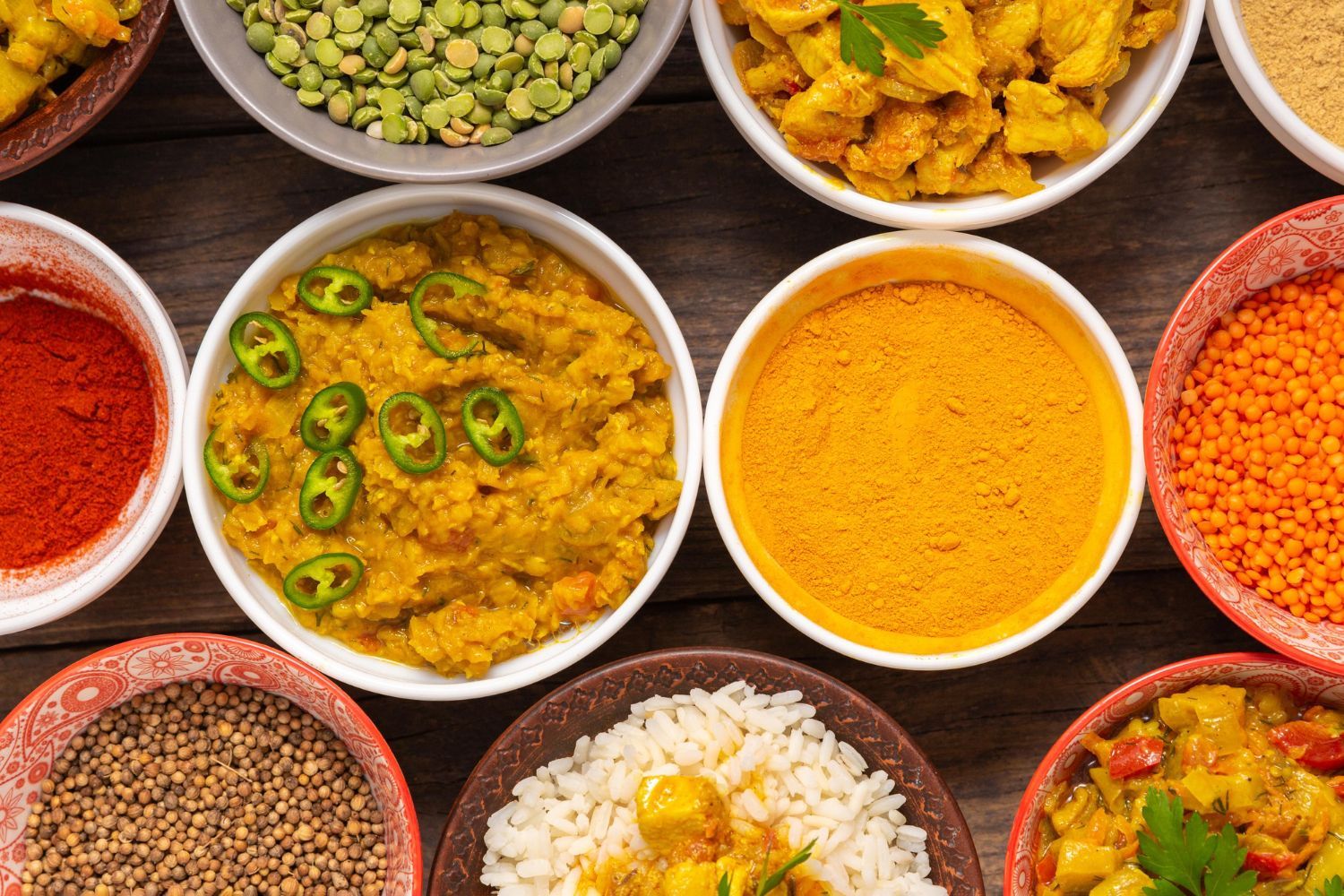
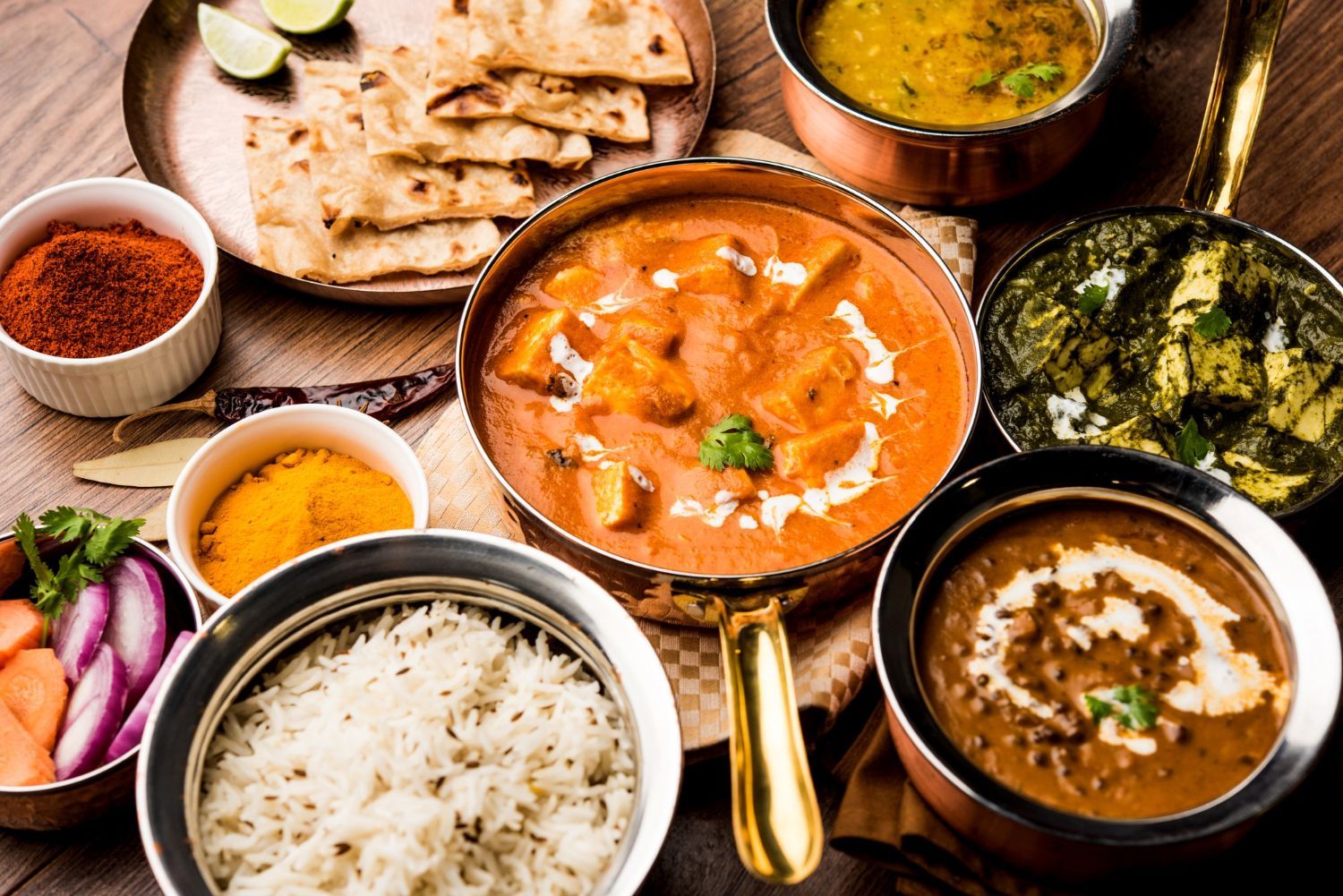
One of the defining features of Indian cuisine is its rich tapestry of spices. However, achieving the perfect balance can be tricky. Spices can easily transform a dish from flat to flavourful, but too much or too little can either overpower or underwhelm your taste buds.
- Balancing Flavours: When starting, use a small amount of any strong spice, such as cumin or coriander, and gradually adjust as needed. A good rule of thumb is to begin with half a teaspoon to gauge the flavour intensity and add more if desired.
- Common Mistakes to Avoid: A frequent mistake is adding spices directly to liquids, as it doesn't allow the spices to release their full aroma. Instead, dry-roast them in a pan briefly until they are fragrant, which helps to release essential oils and enhance their flavour.
- Correcting Over-Spiced Dishes: If a dish becomes too spicy, try adding extra ingredients to dilute the heat. Yogurt or cream works well as a cooling agent for many spicy dishes. Alternatively, a bit of sugar or lemon juice can help balance and neutralize potent flavours.
By understanding how to manage spices effectively, you will gain confidence in your cooking and create more harmonious dishes that everyone at the table will enjoy.
Managing Cooking Times
Cooking times can either make or break a dish. A curry that's simmered too long might lose its vibrant flavours, while an undercooked samosa may not have the desired crunch. Getting the timing right involves paying close attention to how long each component should cook and adjusting for variables such as temperature, elevation, or even the type of pot used.
- Timing Tips: Use a timer to help keep track of different cooking stages. For instance, when making a biryani, ensure your rice is only partially cooked before layering, as it will continue to steam and absorb flavours.
- Avoiding Overcooking: To prevent overcooking, consider turning off the heat while the dish is just a bit underdone. Residual heat will finish the cooking process, granting more control over the final texture and flavour.
- Under-cooking Solutions: If you find your vegetables or meats are undercooked, try cooking them on low heat for a longer period. Adding a bit of water or stock can help the cooking process along without drying out the dish.
These timing tactics will help you serve up perfectly cooked meals that offer the right balance of taste and texture every time.
Dealing With Texture Problems
Texture is crucial in cooking, as it adds to the experience of eating. Nobody wants a bowl of watery dal or a naan that's gone soggy. Achieving and maintaining the right textures requires some know-how and attention to detail.
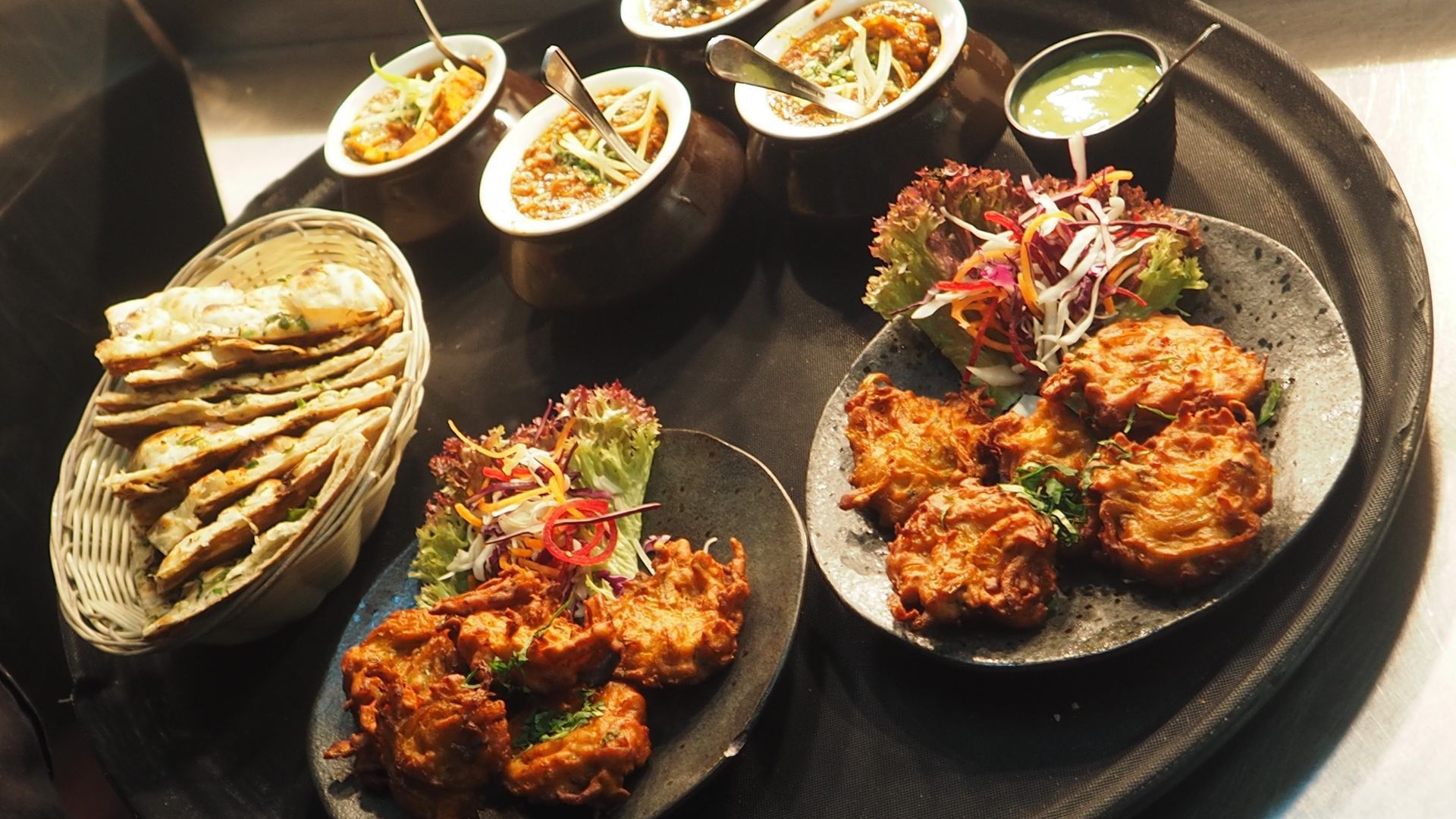
1. Crispy Textures: For dishes like pakoras or samosas, ensure your oil is hot enough. Use a thermometer or drop a small piece of batter in to test if it sizzles upon contact. Too cool, and you'll end up with something greasy instead of crispy.
2. Thickening Sauces: If you find your curry or korma is too watery, simmer the sauce on low heat until it reduces to the desired consistency. For quicker fixes, a bit of cornstarch mixed with cold water can thicken sauces without altering the taste.
Overcoming texture challenges allows you to create meals that are not just delicious but offer contrast and satisfaction in every bite.
Ensuring Freshness and Quality
Selecting the freshest ingredients from Indian food stores in London ensures your meals are as tasty and nutritious as possible. Fresh produce and quality spices can elevate an ordinary meal, offering more vibrant flavours and aromas.
- Choosing Ingredients: When shopping for herbs and vegetables, look for crisp leaves and bright colours. Remember, fresher ingredients mean better flavours and textures. If you're picking spices, check for any clumping or fading colours, which indicate staleness.
- Storing Tips: To maintain freshness, store spices in airtight containers away from direct sunlight. Vegetables should be kept in the fridge, with herbs standing in water like a plant to prolong their life.
Understanding how to choose and preserve ingredients will uphold the quality of your dishes, ensuring each one is as delectable as the last.
Wrapping Up Your Indian Cooking Journey
Addressing these common issues in Indian cooking can greatly improve your skills and enjoyment of the process. With a better handle on spice usage, cooking times, texture issues, and ingredient freshness, you're well-equipped to create meals that are both authentic and personalised to your taste.
Developing culinary skills goes beyond cooking tasty meals. It's about gaining the confidence to experiment and adjust as needed, transforming each challenge into an opportunity for improvement and creativity. Enjoy the learning process, and savour the delicious creations you bring to the table.
Take your Indian cooking to the next level by selecting fresh ingredients from trusted
Indian food stores in London. When you're ready to experience authentic flavors without the hassle of cooking, indulge in the delightful dishes crafted by Tower Tandoori. Our menu offers an array of vibrant choices that bring the essence of Indian cuisine right to your table.