The Art of Indian Breadmaking: Discover the Diversity of Rotis, Naans, and Parathas
This is a subtitle for your new post
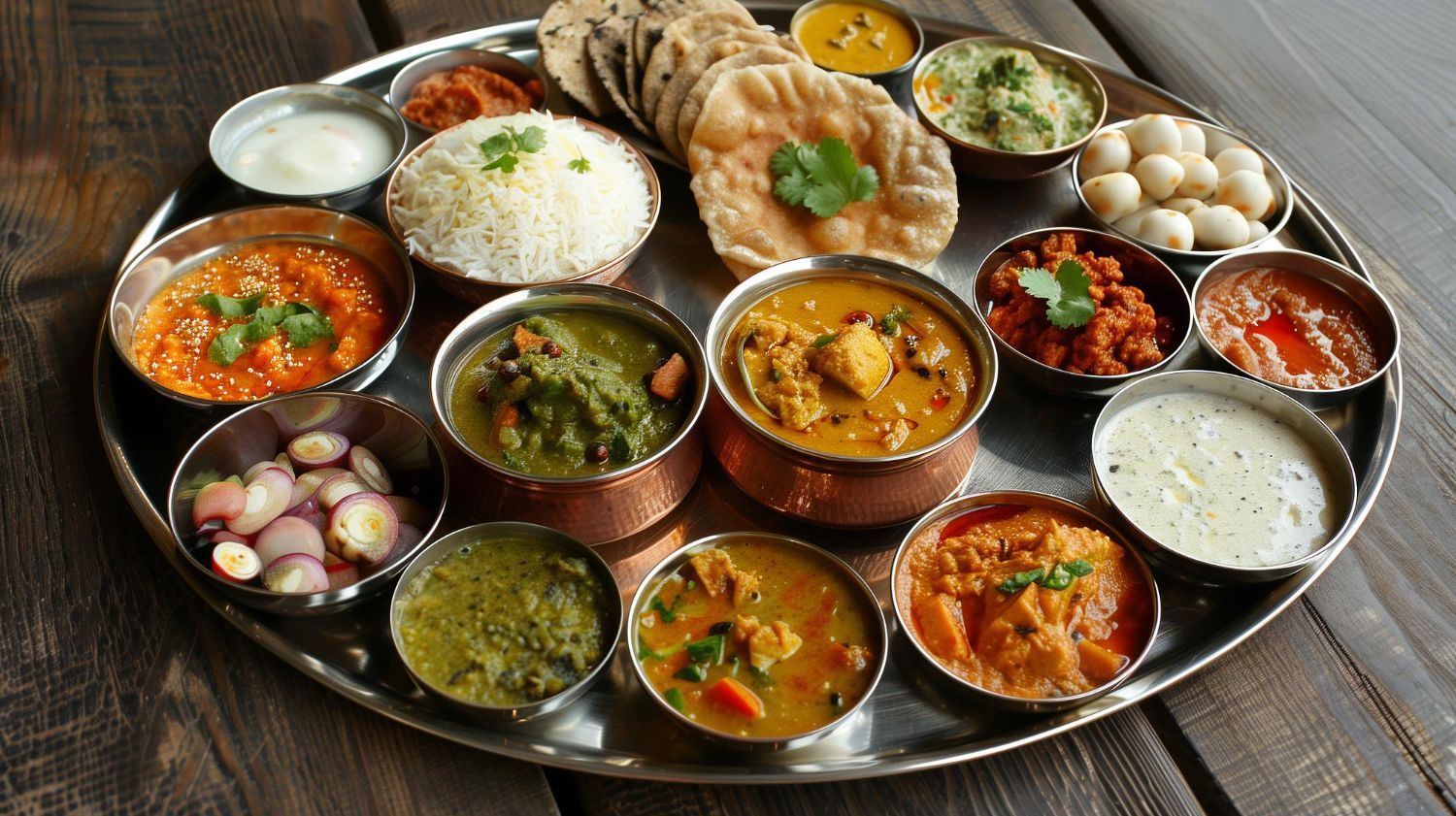
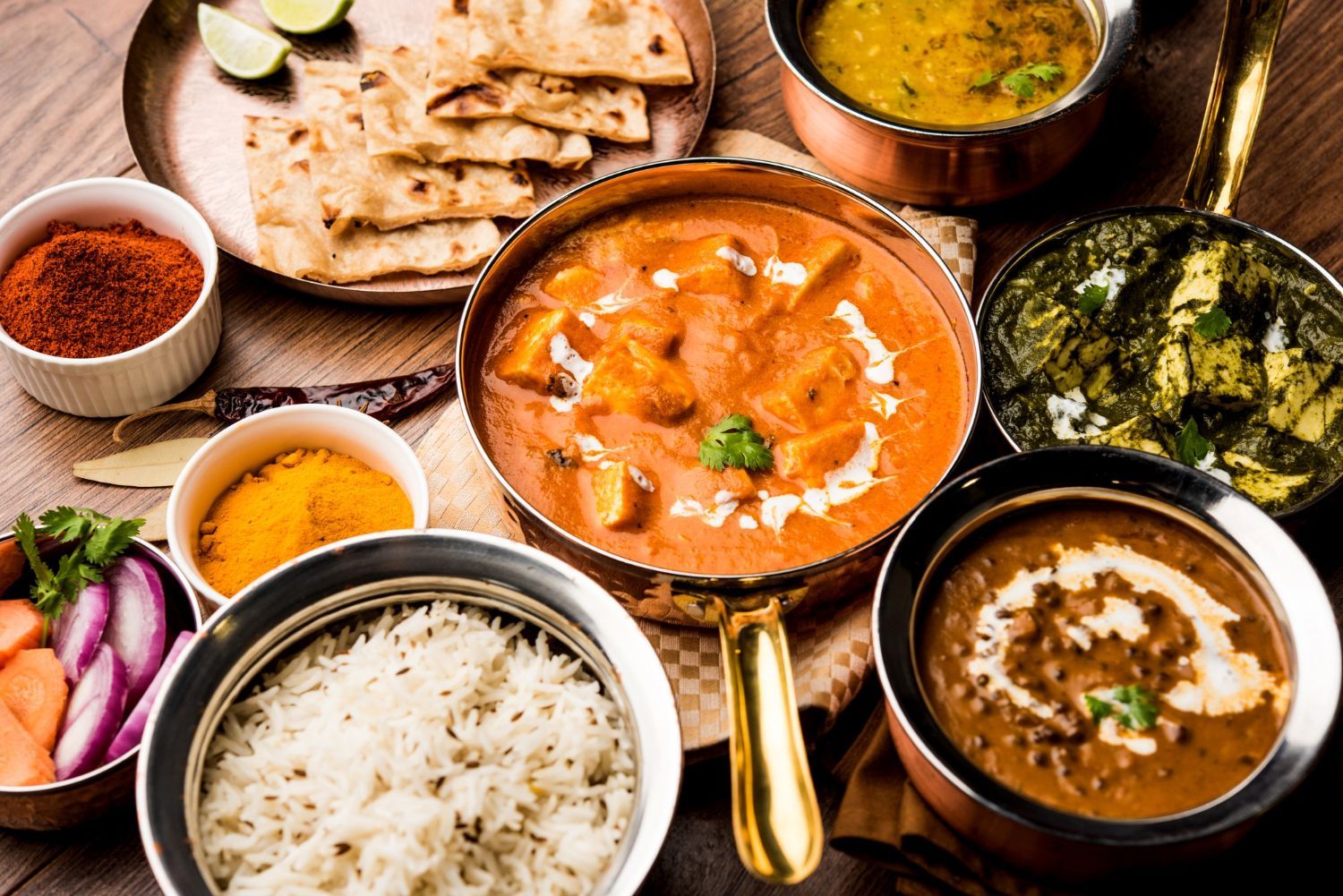
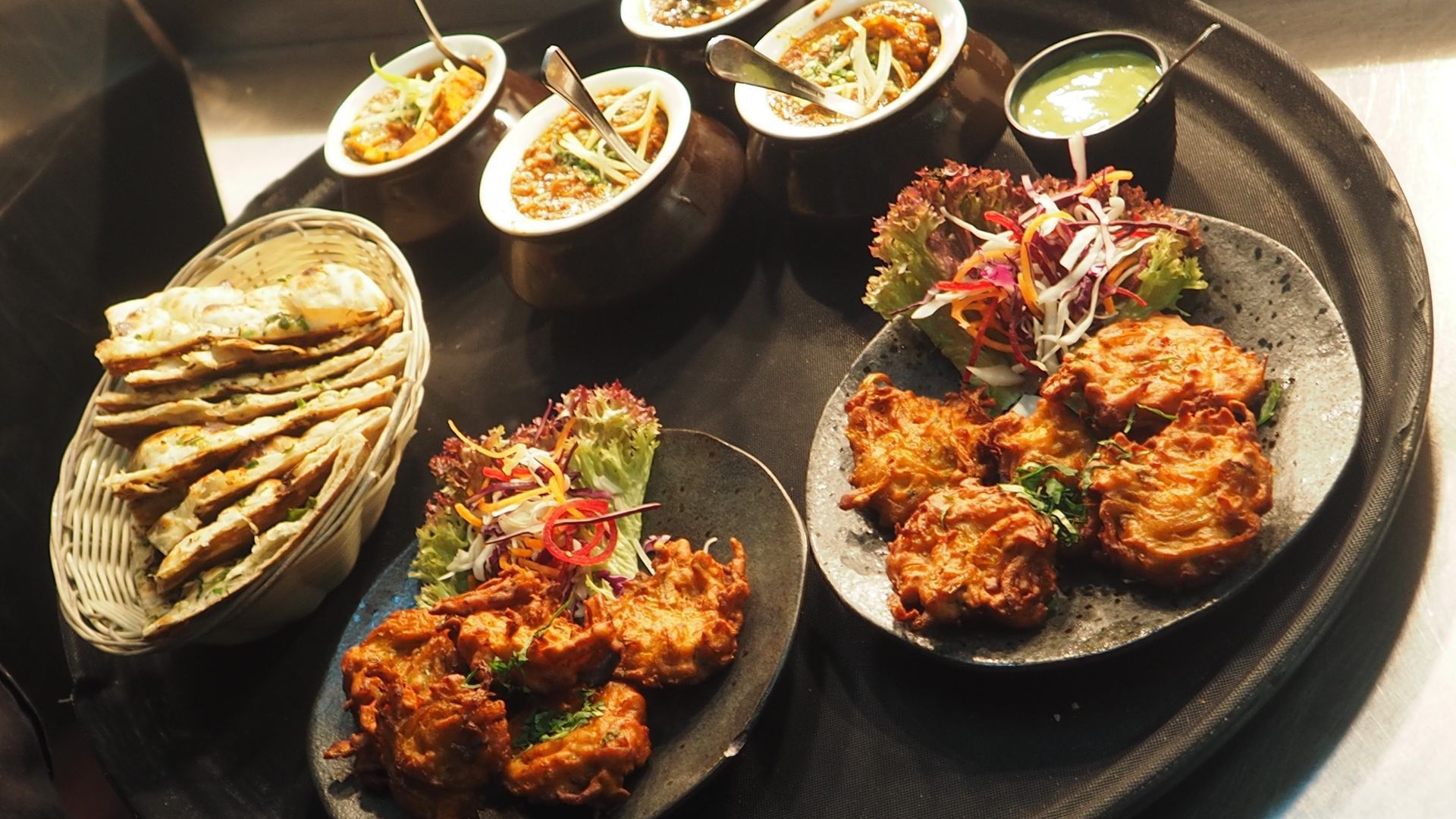
Indian breads are integral to the country's rich culinary heritage and an indispensable part of any authentic Indian dining experience. At Tower Tandoori, we are delighted to offer our guests an array of exquisite breads, each with its own story, originating from various regions of India. From the humble roti to the mouthwatering garlic naan, our selection of breads is designed to transport you to the very heart of Indian gastronomy while complementing the diverse flavours of our dishes.
In this article, we delve into the art of Indian breadmaking, exploring the history, preparation techniques, and defining characteristics of different types of rotis, naans, and parathas. Unearth the traditions behind these tempting bread offerings at Tower Tandoori, and let their alluring textures and flavours elevate your dining experience to new heights.
The Humble Roti: A Staple Across India
The roti, also known as chapati, is a thin, unleavened flatbread made from whole wheat flour, water, and salt. This versatile bread has its origins in ancient India and has become a staple in households across the country. The simplicity of its ingredients and preparation has turned the roti into a popular choice for everyday meals.
To prepare roti, the dough is rolled into small, flat discs, which are then cooked on a flat griddle called a 'tawa' until puffed and slightly charred on both sides. The cooking technique imparts a delicate, smoky flavour, while the wheat flour lends a wholesome, earthy taste. At Tower Tandoori, our rotis are prepared with care, offering you a genuine taste of this beloved Indian bread.
The Irresistible Naan: Leavened Bread with a Rich History
Naan is a leavened flatbread that originated in India but has since gained global popularity. This slightly thicker bread is made from all-purpose flour, water, and a leavening agent such as yeast or baking powder. The leavening results in a soft, pliable texture which is perfect for soaking up the generous, flavourful sauces in Indian dishes.
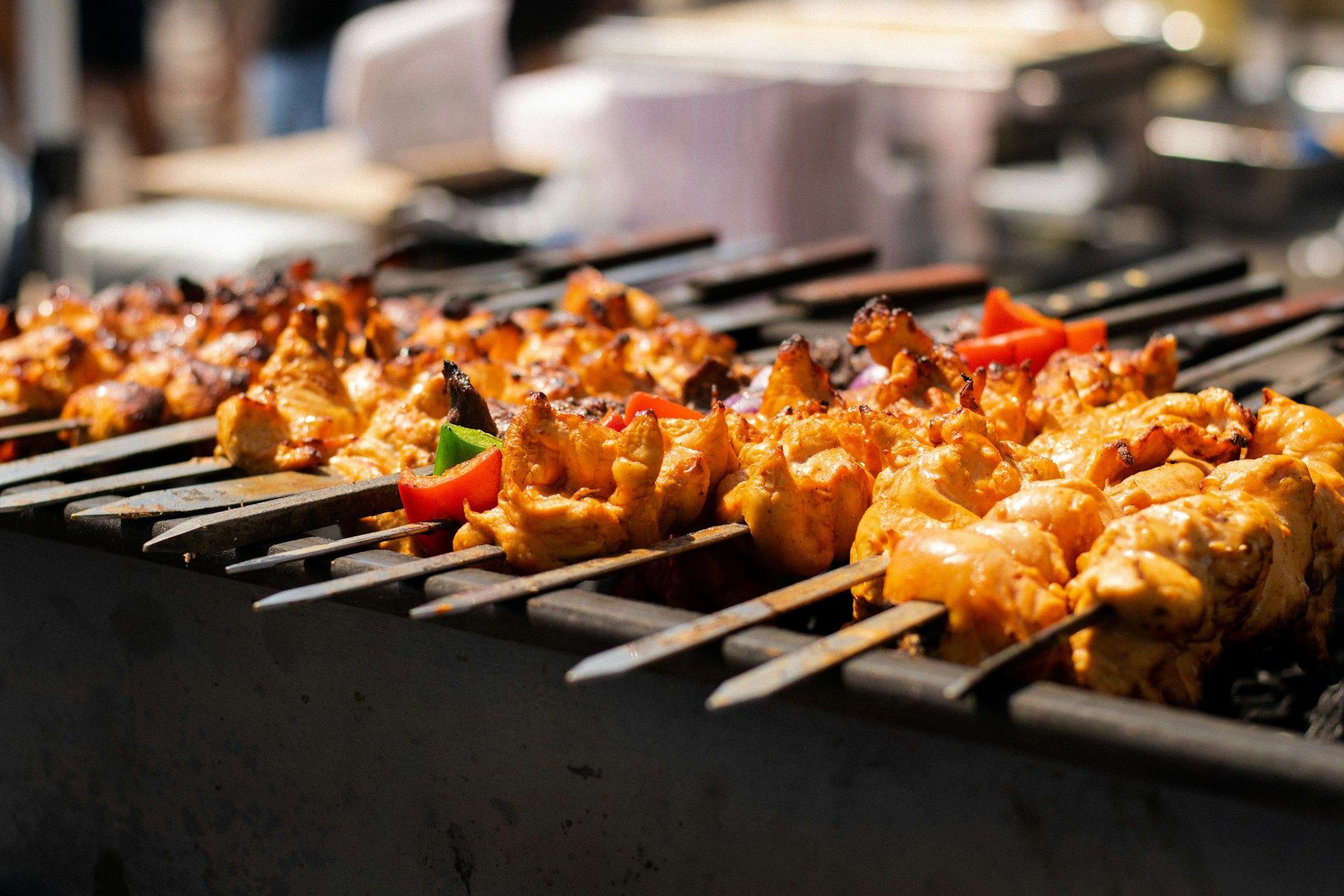
The historical origins of naan date back to the Mughal era in India, where it was a popular accompaniment to rich, exquisite meals. Naan is traditionally baked in a tandoor, a clay oven that imparts a distinctive smoky flavour and slight charring on the surface of the bread. Tower Tandoori's skilful chefs use a tandoor to create an authentic naan, boasting an enticing balance of crispy edges and a tender, fluffy centre.
Exploring Naan Variations: Savoury and Sweet Delights
Naan's culinary versatility has given rise to numerous flavourful variations that have expanded its appeal. At Tower Tandoori, we offer some of these enticing naan options for you to relish:
1. Butter Naan: Brushed with melted butter, this naan variation results in a rich and indulgent experience that complements a wide range of Indian dishes. The golden brown, butter-kissed surface of this naan enhances its deliciously soft texture and adds a layer of luxuriousness.
2. Garlic Naan: Delight in the robust flavours of garlic-infused naan, which pairs impeccably with spiced and fragrant Indian dishes. Our Garlic Naan at Tower Tandoori features fresh, minced garlic incorporated into the dough and sprinkled generously on top before baking, resulting in an irresistible, flavour-packed bread.
3. Peshwari Naan: A sweet naan variety, Peshwari Naan, is filled with a mixture of dried fruits, nuts, and grated coconut for a delightful contrast to the heat often found in Indian cuisine. Try this unique Indian bread at Tower Tandoori and experience an extraordinary interplay of textures and flavours.
The Versatile Paratha: Layers of Flaky Goodness
Paratha is another popular Indian bread, differing from roti and naan due to its layered, flaky texture. Originating in the Indian subcontinent, Paratha is made using whole wheat flour and water, with butter or clarified butter (ghee) added during the cooking process to create its signature layers and crispy, golden exterior.
Parathas can be made in various styles, including plain or with a range of savoury fillings. Here are some noteworthy paratha variations to try at Tower Tandoori:
1. Plain Paratha: The plain paratha is a deliciously flaky bread with a crispy exterior that pairs well with rich and flavourful dishes. Enjoy dipping pieces of this paratha into creamy curries or savour the enticing textures as an accompaniment to any Indian meal.
2. Aloo Paratha: Aloo Paratha is a popular stuffed paratha variety filled with a mildly spiced mixture of mashed potatoes, onions, and herbs. The combination of the flaky, crispy paratha and soft, spiced filling make for an unforgettable addition to your Indian dining experience at Tower Tandoori.
3. Gobi Paratha: Featuring a delicious cauliflower filling, Gobi Paratha offers a delightful balance of crispy exterior and tender, flavourful filling. At Tower Tandoori, our Gobi Paratha is an excellent choice for those seeking to explore the versatility of Indian breads and their remarkable flavour combinations.
As you embark on your culinary journey through the world of Indian breadmaking, we invite you to indulge in the different styles and flavours available at Tower Tandoori. The careful preparation and dedication to authenticity in each bread showcase the rich traditions and culinary expertise embedded in Indian gastronomy.
Embark on a Culinary Voyage with Tower Tandoori's Scrumptious Indian Breads
Whether you're a newcomer to Indian cuisine or a seasoned connoisseur, the fascinating world of Indian bread offers an unparalleled opportunity to explore the many flavours, textures, and culinary traditions that define this rich gastronomy. At Tower Tandoori, our diverse bread selection embodies the art of Indian breadmaking with authenticity and passion.
Awaken your senses to the delicate simplicity of the roti, savour the irresistible allure of naan variations, and delight in the versatility of our flaky parathas. Each encounter with these charming Indian breads is an invitation to indulge in India's splendid culinary heritage.
Ready to dive in? Visit Tower Tandoori today and experience the
best Indian food in London with our extensive range of rotis, naans, and parathas that complement our delectable dishes and help create memorable moments with every bite.