Exploring the Exotic Spices that Elevate Indian Desserts
When it comes to desserts, Indian cuisine boasts a plethora of options that are both sweet and savoury, rich in texture and flavour. What sets Indian desserts apart is the creative use of spices that add an extra dimension of taste and aroma. The country's diverse culinary heritage has contributed to the blending of different spices, creating an unmatched flavour profile.
In this blog, Tower Tandoori in London will delve into the spices that make Indian desserts so special:
The Role of Spices in Indian Desserts
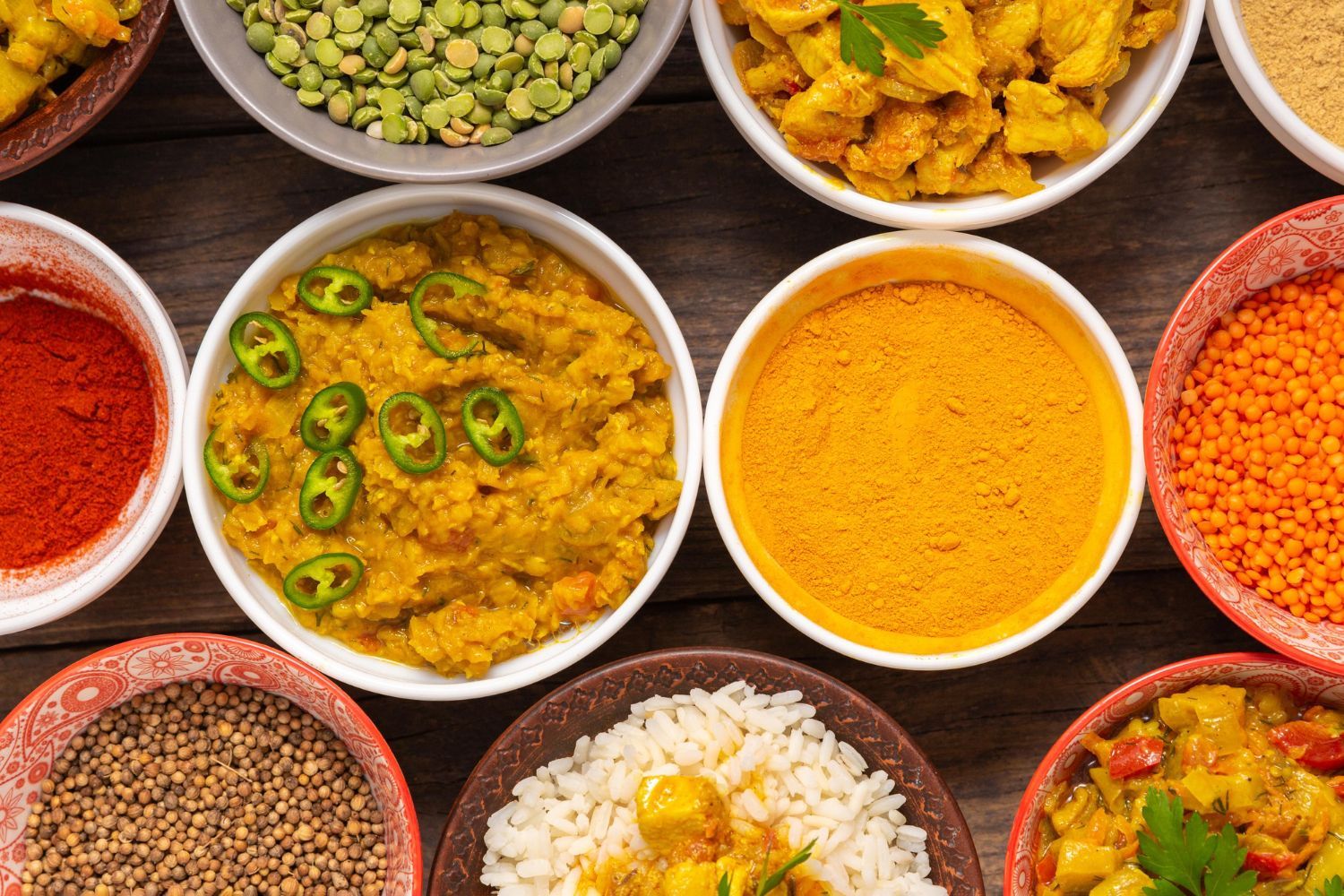
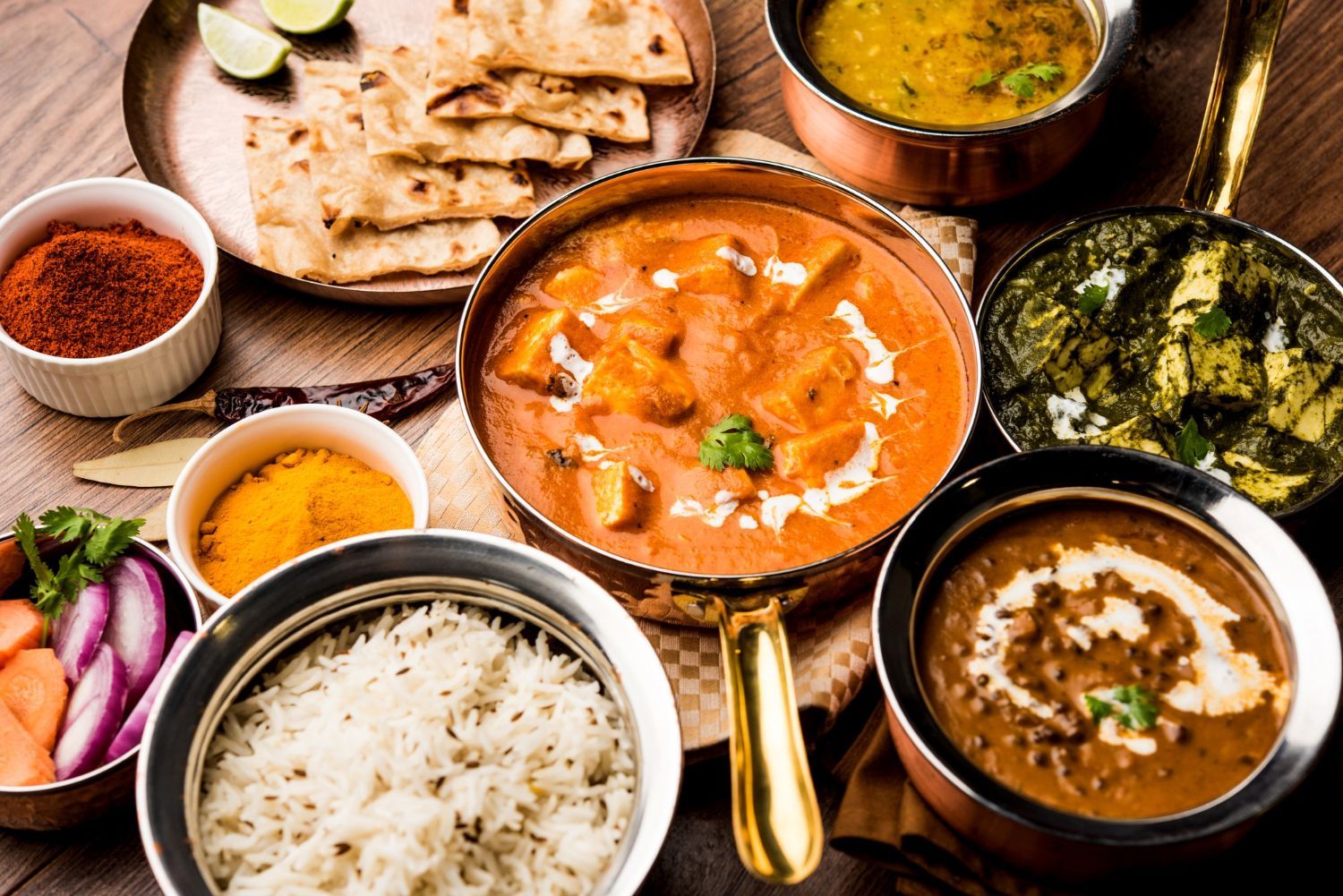
Indian desserts are a perfect blend of different spices, crucial in enhancing their taste, aroma, and texture. The use of spices is not limited to savoury dishes; it also extends to desserts. Spices such as cardamom, saffron, cinnamon, nutmeg, cloves, and ginger are commonly used in Indian desserts.
Each spice has its unique flavour, and when combined, they create a symphony of tastes that tantalise the taste buds.
Cardamom: The King of Spices
Cardamom is one of the most commonly used spices in Indian desserts. It has a sweet aroma and a warm, spicy flavour that adds depth to any dish.
Cardamom is used in various desserts, such as kheer, gulab jamun, and phirni. It is also used in tea and coffee, giving them a unique flavour. Cardamom is known for its digestive properties and is often added to desserts to aid digestion.
Saffron: The Golden Spice
Saffron is a luxurious spice used in various Indian desserts, such as ras malai, kulfi, and shrikhand. It has a distinct flavour and aroma and is known for its golden colour.
Saffron is one of the most expensive spices in the world and is often used in small quantities in desserts. Its subtle flavour and aroma can elevate any dish to new heights.
Cinnamon: The Sweet Spice
Cinnamon is a sweet spice that is used in a variety of desserts. It has a warm, sweet aroma and a slightly spicy taste.
Cinnamon is commonly used in Indian desserts such as rice pudding, kheer, and gulab jamun. It also has some health benefits, such as lowering blood sugar levels and reducing inflammation.
Nutmeg: The Fragrant Spice
Nutmeg is a fragrant spice that is used in a variety of Indian desserts. It has a sweet, nutty flavour and a warm aroma.
Nutmeg is often used in desserts such as carrot halwa, kheer, and phirni. It is also used in savoury dishes such as biryani and meat curries. Nutmeg has several health benefits, such as improving digestion and reducing stress and anxiety.
Cloves: The Strong Spice
Cloves are a strong spice that is used in a variety of Indian desserts. They have a warm, spicy flavour and a pungent aroma.
Cloves are usually used in desserts such as pudding and carrot halwa. Cloves have several health benefits, such as relieving toothache and reducing inflammation.
Ginger: The Spicy Spice
Ginger is a spicy spice that is used in a variety of Indian desserts. It has a warm, spicy flavour and a pungent aroma.
Ginger is used in desserts such as gingerbread, ginger snaps, and ginger tea. It is also a common ingredient in savoury dishes such as curries and stir-fries. Ginger has several health benefits, such as relieving nausea and reducing inflammation.
Conclusion
Spices are a vital part of Indian cuisine, and desserts are no exception. The combination of different spices creates a unique flavour profile that is unmatched.
Cardamom, saffron, cinnamon, nutmeg, cloves, and ginger are just a few of the spices typically used in Indian desserts.
Each spice has its unique flavour and aroma. When combined, spices create a symphony of tastes that tantalise the taste buds. Tandoori cooking is an excellent example of how spices can elevate any dish to new heights. So, the next time you indulge in an Indian dessert, take a moment to appreciate the spices that make it so special.
If you're keen on expanding your culinary experiences or just want to enjoy some authentic Indian flavours, do visit Tower Tandoori. As one of the longest-standing
Indian restaurants around London Bridge, we offer dining services and delivery options. Give us a call today!