How to Spot a Charcoal Tandoor in London: Signs of Authentic Tandoori
Follow the Scent and the Sizzle
Real charcoal tandoori cooking is hard to hide. You can smell it long before you see a plate. Around Tower Bridge on a cool spring evening, that gentle drift of smoke and spice often means one thing: a tandoor fired with live charcoal somewhere nearby.
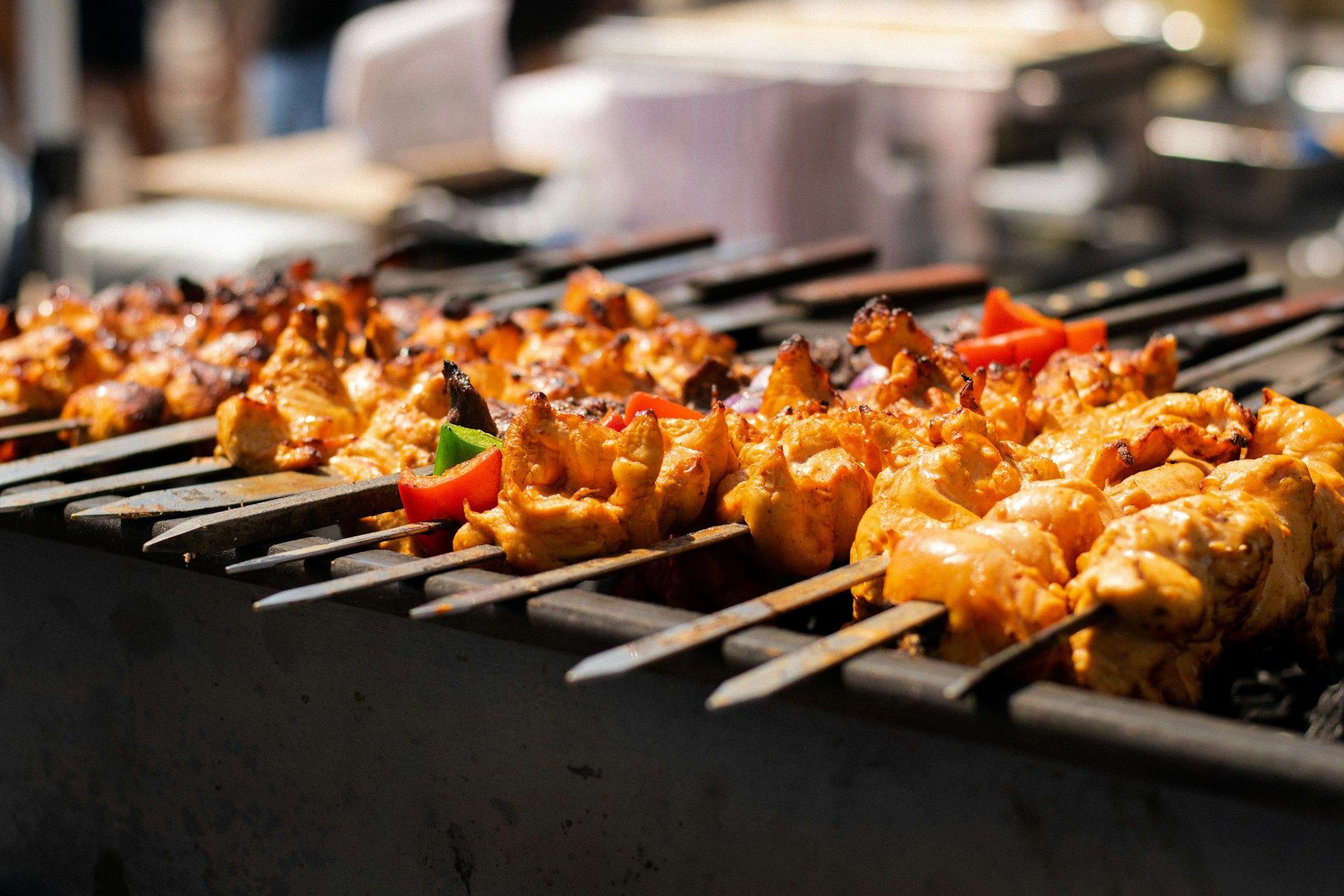
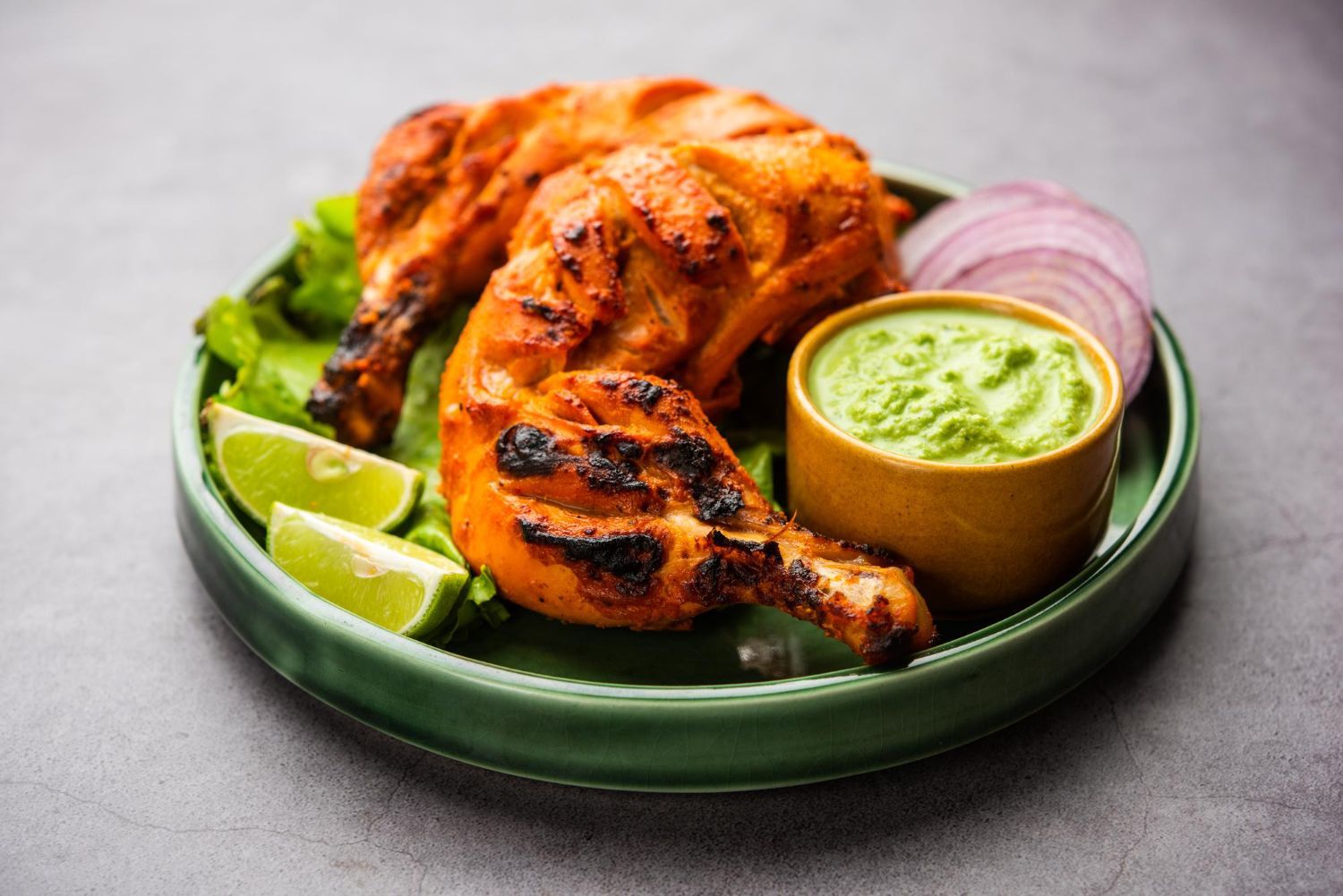
Charcoal tandoori is not the same as food cooked on a standard grill or in a gas oven. A clay tandoor gets very hot, with fierce, even heat all around the food. The charcoal adds a gentle smokiness, so kebabs come out with a light char on the outside and stay juicy inside. Naan puffs and blisters in seconds against the hot clay wall, picking up tiny spots of colour that you simply do not get from a flat tray or pan.
If we learn a few simple signs, we can walk into any tandoori restaurant in London and quickly tell if there is a real charcoal tandoor at work. With the right questions for our server, we can also spot when something special is happening in the kitchen.
At Tower Tandoori, we have been cooking over charcoal since 1978, as a family-run restaurant near Tower Bridge. Long-running places like ours often hold on to traditional methods because they shape the whole flavour and feel of the meal.
Look, Listen, Smell: Signs You Are Near a Real Charcoal Tandoor
A true charcoal tandoor is usually made of clay on the inside, sometimes with a metal outer shell. It is often sunk into a counter or set into the floor so chefs can work around it easily. In some dining rooms, you can see it in an open kitchen or behind a glass screen.
If you can see into the kitchen:
- A round or oval opening in a counter
- Long metal skewers loaded with meat or vegetables
- Flat dough discs being stretched, then slapped onto an inner wall
- The soft glow of embers deep inside
You might catch a quick flash of orange as the chef opens the lid or stands over the gap, turning skewers by hand. When the lid shifts, a wave of heat escapes. If you are sitting nearby in early spring, that extra warmth can feel very welcome as the sun goes down.
Listen as plates pass by. With a working tandoor, there is often:
- The hiss of yoghurt marinades hitting hot metal skewers
- The light clink of seekh kebabs being turned and tapped
- Short bursts of sound as naan is pulled away from the wall
The smell is a big clue. Standard grilled food can smell pleasant but quite plain. Charcoal tandoori has a deeper, earthier aroma. It carries notes of smoke woven through yoghurt, garam masala, ginger, garlic and fresh coriander. It is rich, but not harsh. If that scent makes you feel hungry even when you thought you were full, you are probably near a live tandoor.
On cool spring evenings in London, when the air is still a bit crisp, sitting where you can catch both the warmth and the aroma of a tandoor can turn a simple meal into a cosy little event.
From Tikka to Naan: Menu Clues for True Tandoori Craft
Even if we cannot see the kitchen, the menu in a tandoori restaurant in London can tell us a lot. Certain dishes almost always point to a real tandoor.
Look for items like:
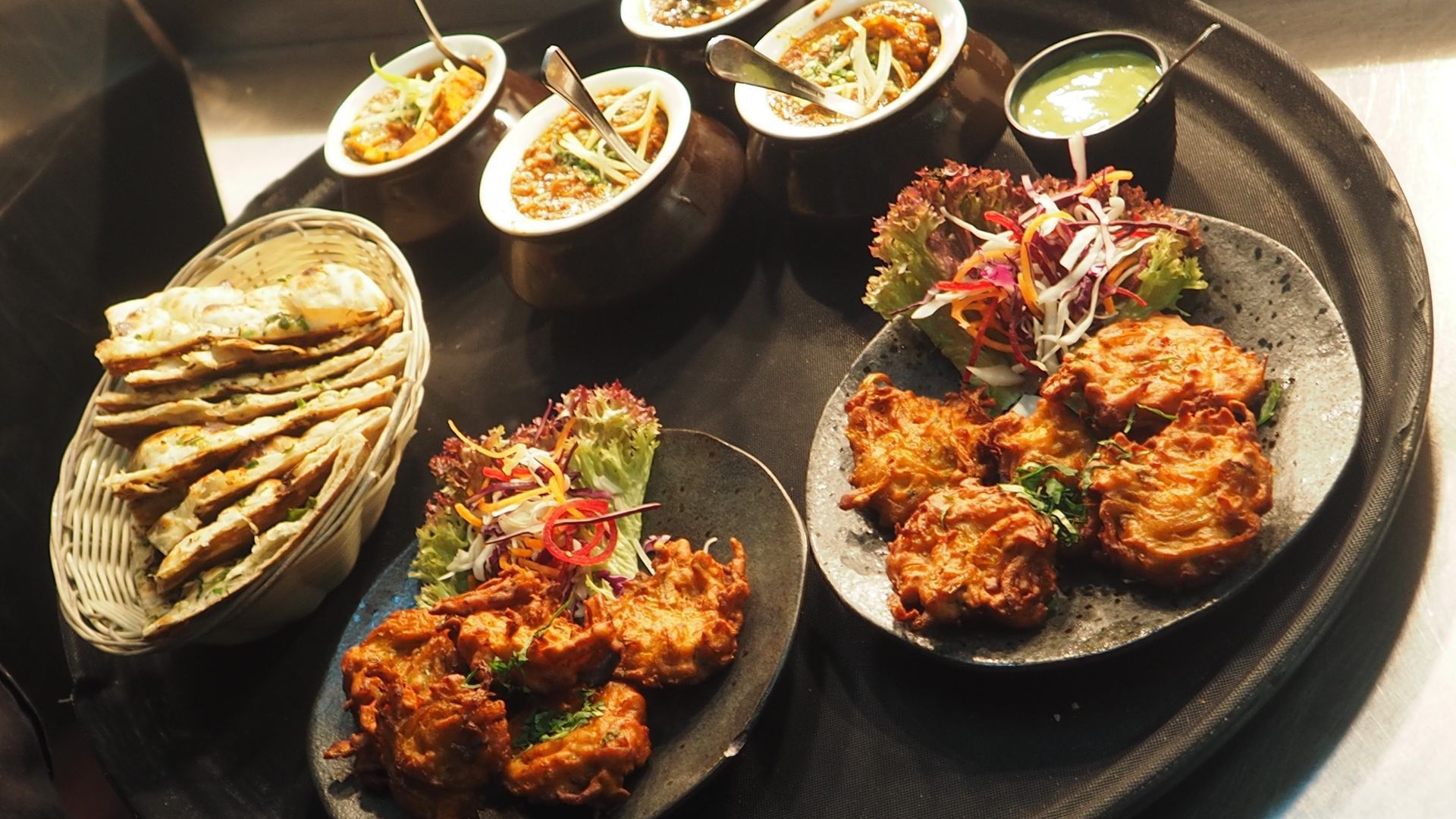
- Tandoori chicken on the bone
- Seekh kebabs
- Lamb chops
- Tandoori king prawns
- Fresh naan and roti
These classics are strongly linked to clay oven cooking. When they are done over charcoal, you should see a gentle char or slight crisp edges, while the centre stays tender and moist.
Timing tells its own story. Proper tandoori cooking is fast once the order hits the tandoor, but there is still a rhythm. If grilled dishes reach the table almost instantly and look very uniform, they might have been pre-cooked then reheated in a different way. With fresh tandoor food, plates usually arrive in waves, and each skewer or chop can have tiny, natural differences in char.
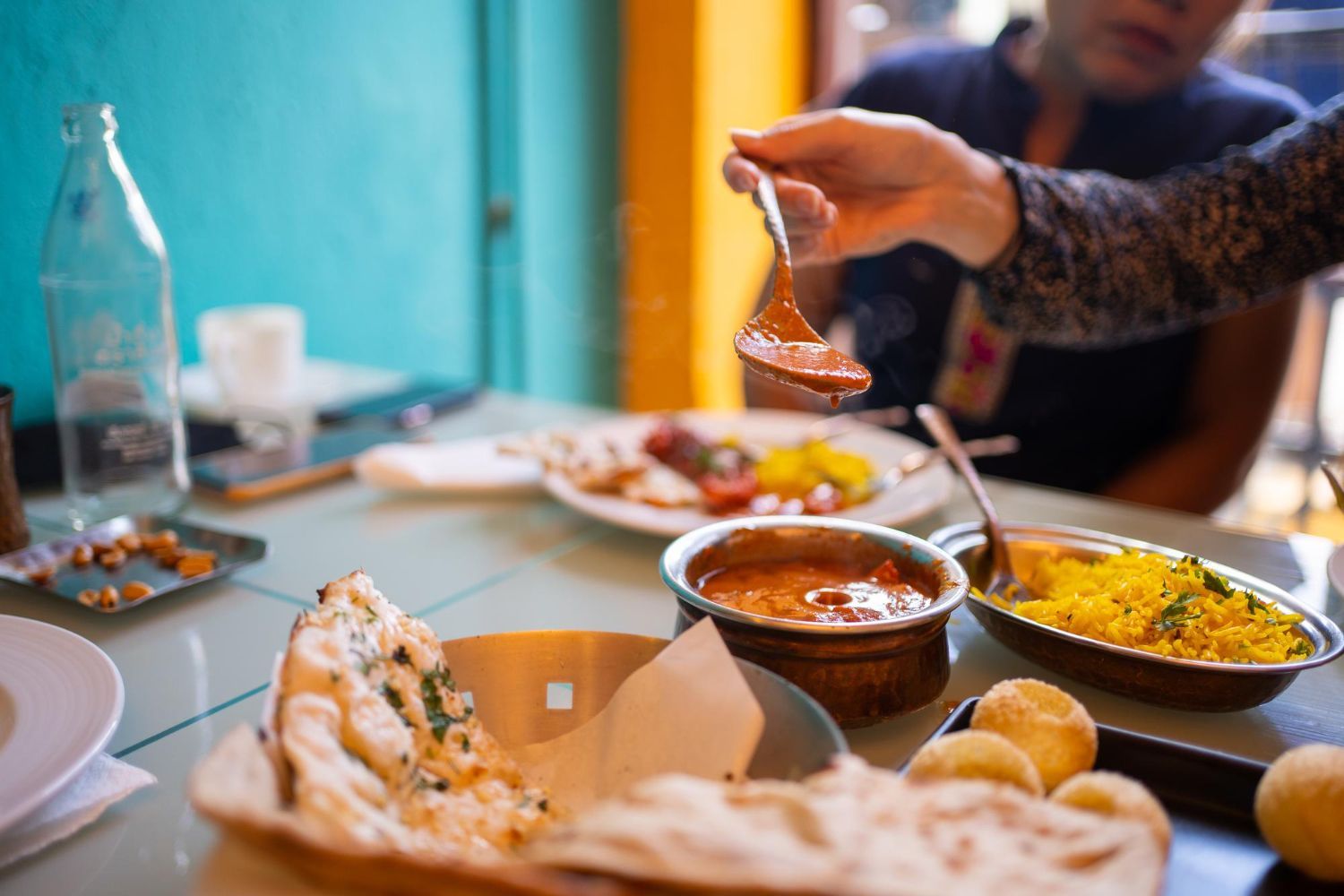
Bread is one of the best giveaways. Fresh naan from a tandoor should be:
- Puffy and soft, with a bit of chew
- Slightly blistered, with little brown spots
- Served hot, within minutes of baking
In spring, many kitchens pair hot bread with lighter sides like crisp salads, cooling raita or bright, herb-heavy chutneys. The contrast of warm, smoky bread and fresh, sharp accompaniments is a lovely sign that the team cares about balance, not just heat and spice.
At Tower Tandoori, our classic charcoal-grilled dishes and freshly baked breads show these traits every day. When guests learn to notice them with us, they suddenly start spotting the same signs in any tandoori restaurant in London they visit.
Smart Questions to Ask Your Server Without Feeling Awkward
You do not need to be a food expert to ask about the tandoor. A few simple, friendly questions are enough to show real interest in the cooking.
Good starters include:
- Do you use a charcoal tandoor or gas?
- Are the kebabs cooked to order in the tandoor?
- Which dishes actually go in the clay oven?
These questions are clear and polite. They focus on curiosity about the craft, not criticism. Most servers are happy to talk about what makes their kitchen special, especially if you ask with a smile and keep it short when the room is busy.
If you want to learn more, you can ask:
- Which dish best shows off your tandoor?
- Is there something that really highlights the charcoal flavour?
- Do you have any house marinades that are a bit different?
Confident answers are a good sign. When a team is proud of its tandoori cooking, staff often mention long-used recipes, how long certain meats are marinated or the way the chef adjusts the fire through the evening. If replies feel vague, with no detail about method or flavour, the tandoor might not be at the heart of the kitchen.
In a lively London dining room, you might keep it as simple as: “We would love to taste the charcoal flavour, what would you recommend for that?” or “We have time for a quick meal before a show, which tandoor dish should we not miss?” Short, friendly questions like these fit easily into a busy service.
Beyond the Plate: Atmosphere, Tradition and Hospitality
Charcoal cooking is not only about the food. The whole feel of a place can hint at how much care goes into that clay oven.
Many traditional spots mix classic touches with comfort. You might see warm lighting, family photos or small details that nod to heritage. These elements do not prove that a tandoor is in use, but they often show a long story and a steady way of doing things.
Listen for hints of family recipes, long-time chefs or regulars who keep coming back for the same tandoori favourites. When a restaurant talks proudly about dishes that have stayed on the menu for years, it usually means the team values real methods as much as flavour.
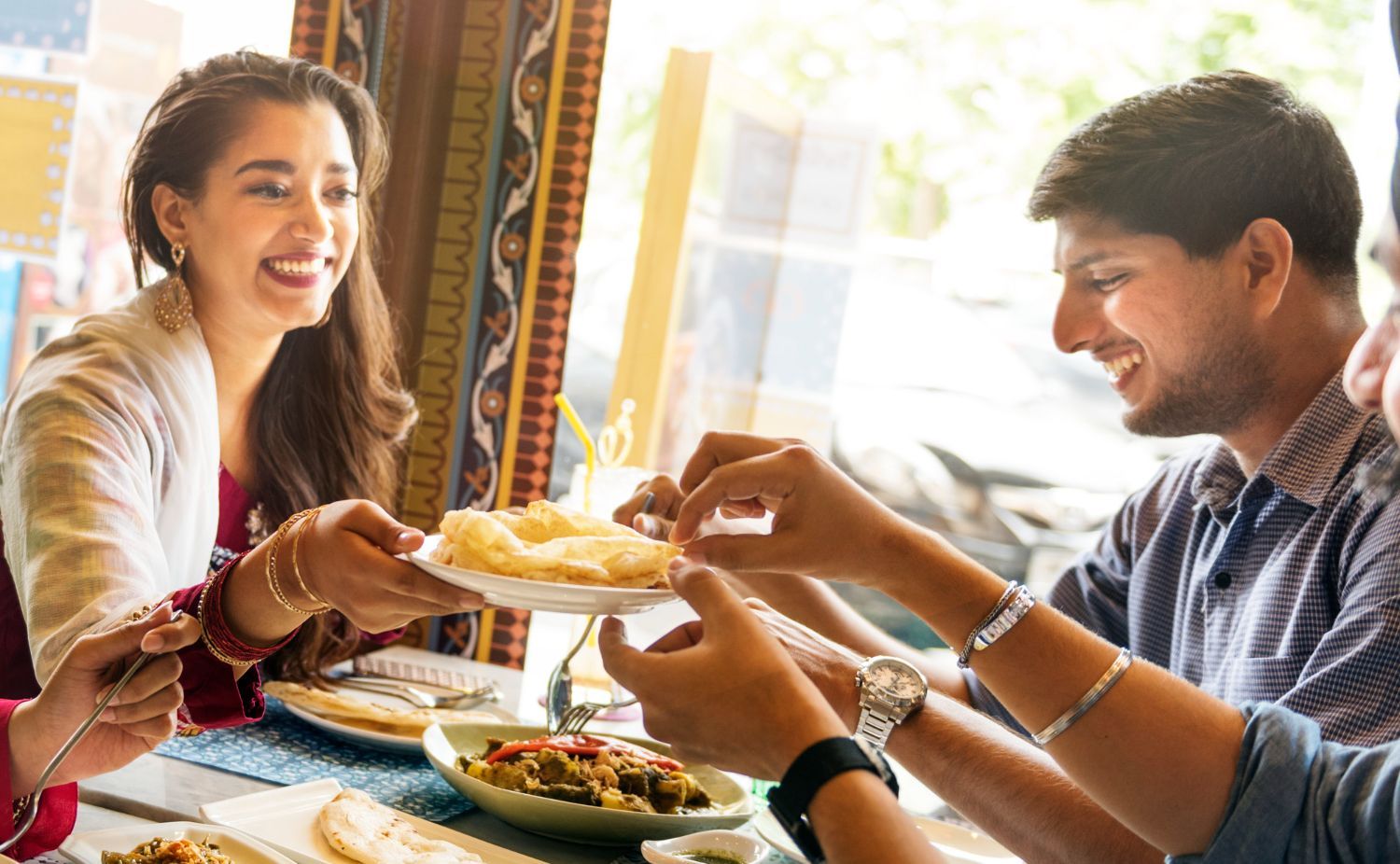
Service is another marker. In a truly guest-focused tandoori restaurant in London, staff will happily explain which items come from the tandoor, suggest heat levels, help first-timers build a balanced meal or guide larger groups with shared platters. It feels like someone is looking after you, not just dropping plates.
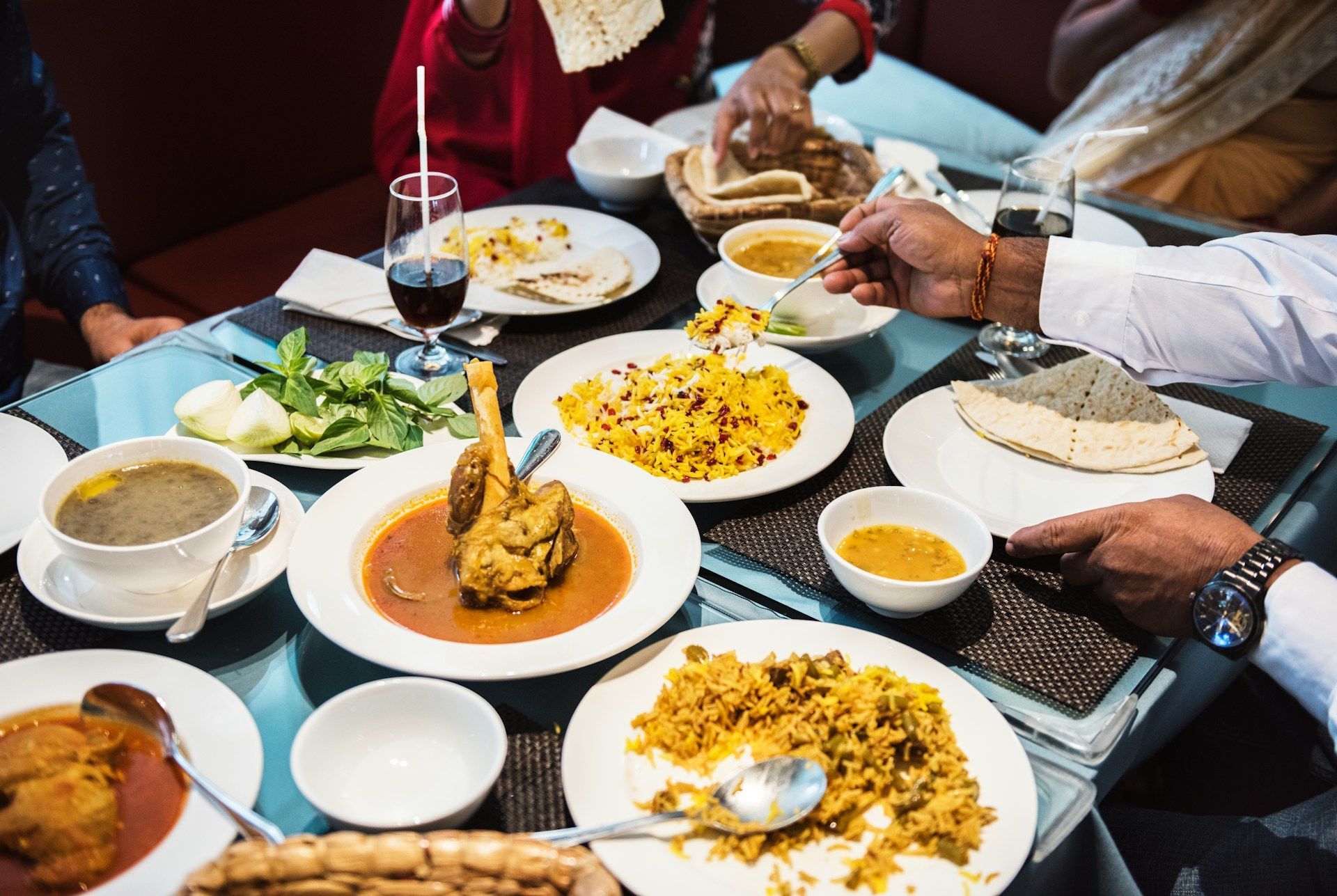
Spring is a popular time for gatherings like office socials, small celebrations or relaxed meet-ups as the days get longer. Places that offer group dining and venue hire often design shared menus that show off a wide range of charcoal tandoori dishes, from kebabs to breads, so everyone at the table can taste the full experience.
At Tower Tandoori, we bring all of these pieces together: a family-run setting close to Tower Bridge, a long history with charcoal tandoor cooking, classic Indian dishes, group-friendly dining and options for both relaxed sit-down meals and special events. For anyone learning how to read the signs of real tandoori, it is a simple way to see those clues in action and enjoy them in one warm, smoky, spring evening.
Experience Authentic Tandoori Flavours In The Heart Of London
If this article has inspired your appetite, we would be delighted to welcome you to Tower Tandoori, our family-run
tandoori restaurant in London. Reserve a table or ask any questions you may have and we will help you plan the ideal meal. If you prefer to speak to us first, simply
contact us and our team will be happy to assist.