Inside One of London’s Last Charcoal Tandoori Restaurants
Step Inside the Glowing Heart of a Charcoal Tandoori Kitchen
Cold London air hangs over Tower Bridge. Coats are pulled tight, cheeks are pink, fingers are numb. Then the door swings open and a wave of heat and spice rolls out from the kitchen. The first thing you feel is warmth. The second is hunger.
At the centre of it all is the charcoal tandoor, the clay oven that gives our food its fire and soul. The coals glow a deep orange, the air shimmers with heat and the smell of smoke and spice fills the room. In a world of gas flames and electric grills, this kind of cooking feels rare.
We are one of the few places where food still meets real charcoal in a clay tandoor. Our family has guarded this way of cooking for decades, keeping the old methods alive while the city around us keeps changing. Those hot coals are not just there for show, they hold stories, habits and little tricks learned over a long time.
As you read, we want to take you behind the flames. You will see how our family curry house grew near Tower Bridge, why charcoal makes such a difference to flavour, how our chefs work with the oven and which dishes feel just right on a cold winter night in a tandoori restaurant in London.
From Brick Lane to Tower Bridge: the Story of a Family Curry House
Our story begins in the days when British Indian curry houses were starting to shape how people in London thought about spice, comfort and going out for a late meal. Back then, curry was new for many locals, yet it quickly became part of everyday life.
From the start, our family focused on simple ideas: cook over charcoal, respect the recipes and make people feel relaxed. One generation taught the next how to mix the spices, how the dough should feel between the fingers, how the smoke should smell when the coals are ready. Over time, our menu grew, but the heart of it stayed the same.
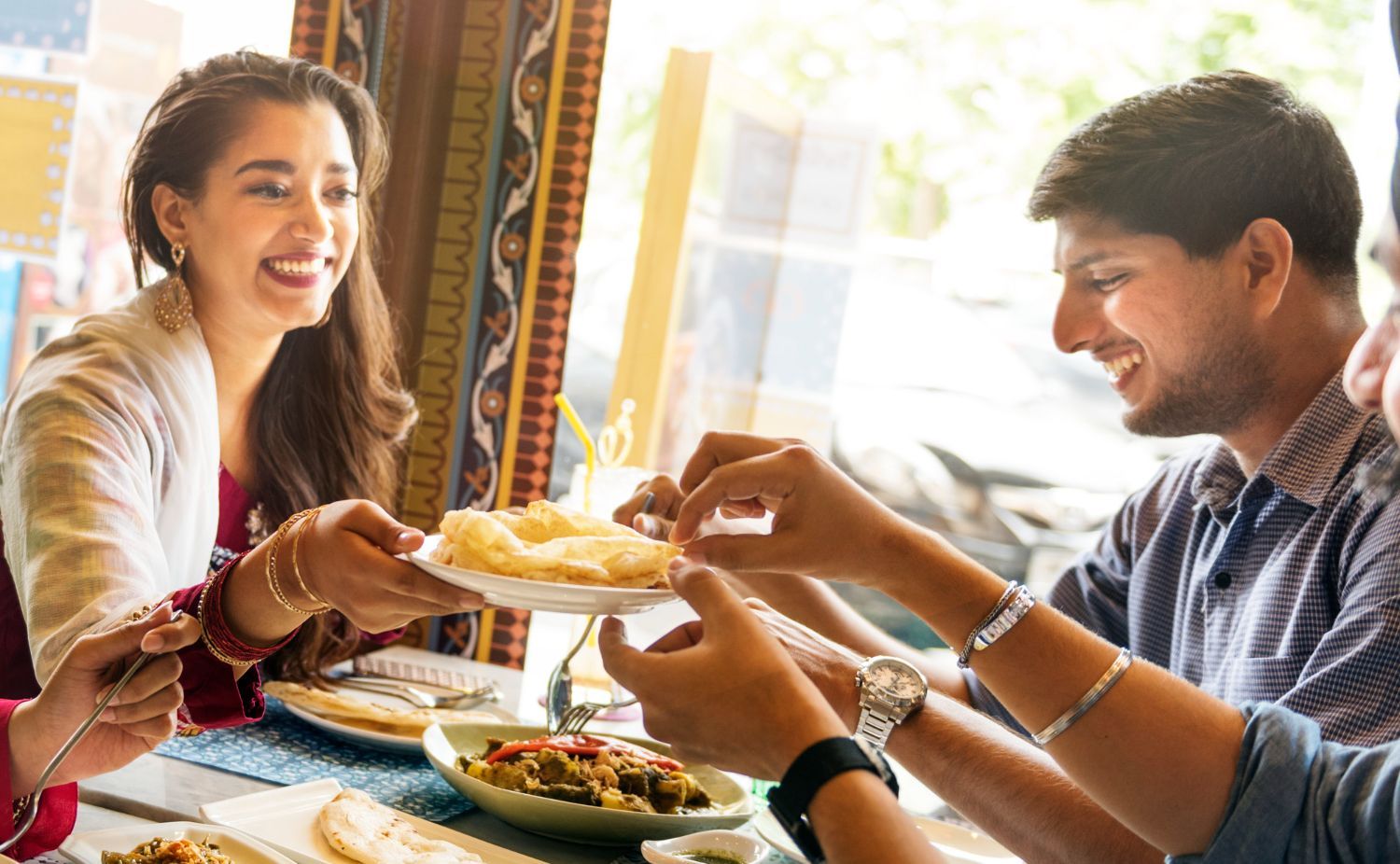
As the city changed, so did our guests. Office workers dropped in after late shifts. Families turned birthdays into long, happy meals. Curious visitors, tired from walking the South Bank and Tower Bridge, stepped in to warm up and try a classic curry house for the first time.
Through all of this, our tandoor stayed in the same place. We adjusted the menu, added new dishes, and made space for lighter choices, but we never let go of that original clay oven and charcoal. Our restaurant moved from being just another local curry spot to a place people seek out when they want a tandoori restaurant in London that still feels rooted in its past.
Why Charcoal Still Matters in a Modern Tandoori Restaurant in London
A charcoal tandoor looks simple from the outside, just a clay pot sunk into a metal frame. Inside, it feels like another world. We fill the base with charcoal and light it until the coals glow and the inner walls of the clay become scorching hot.
The heat is intense and even, wrapping around the food from all sides. When marinated meat or bread hits that heat, the outside chars slightly, the inside stays juicy and the smoke from the charcoal adds its quiet magic. This mix of dry heat, glowing coals and clay is hard to copy.
Gas or electric tandoors can be easier to control. They switch on and off, temperatures are steady, cleaning can be quicker. But the flavour is different. Charcoal brings:
- A gentle smoky note that clings to meat and bread
- Slightly uneven spots of char that add texture
- A deep warmth that settles into the food, not just on the surface
Some of the dishes that show this best in our kitchen are:
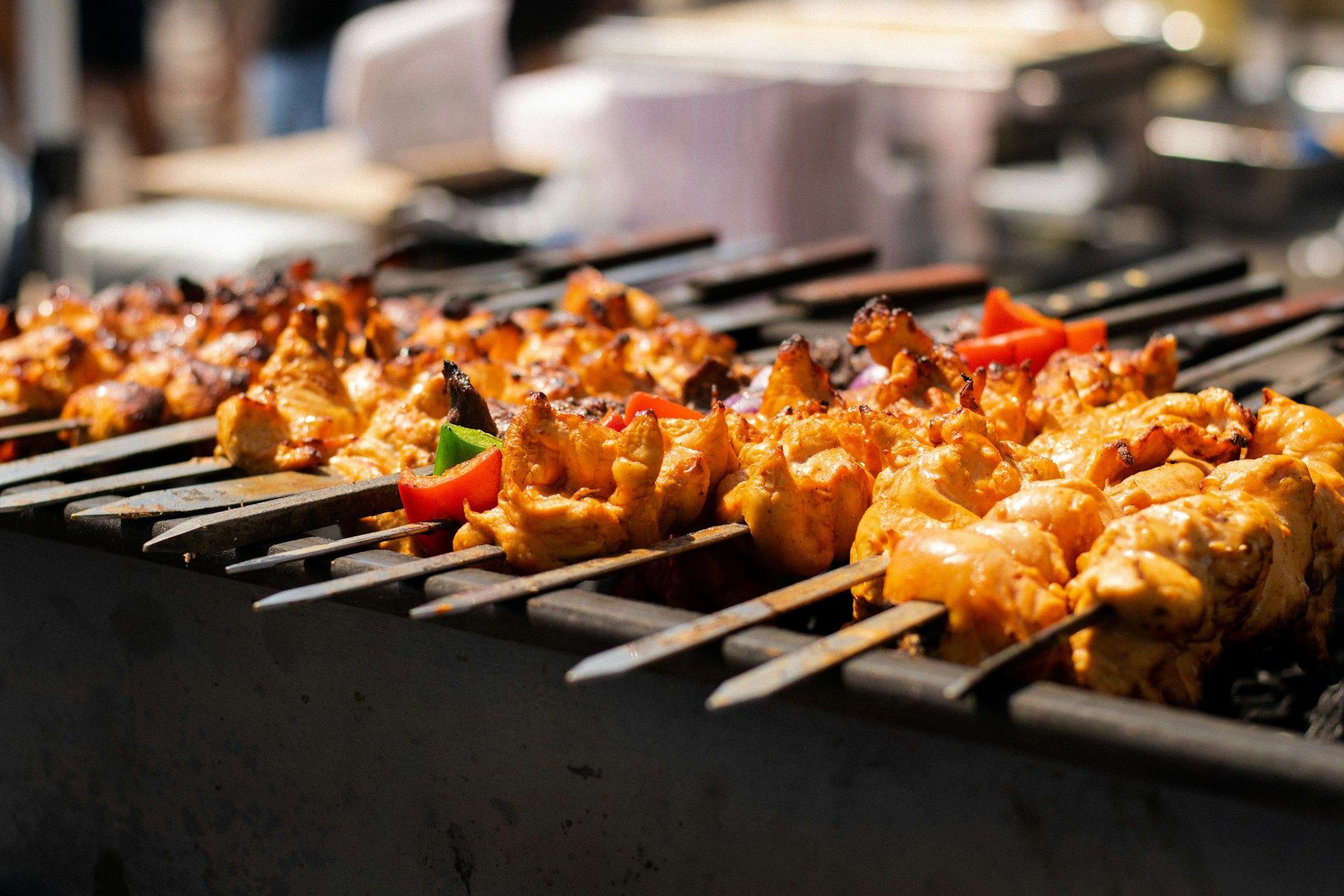
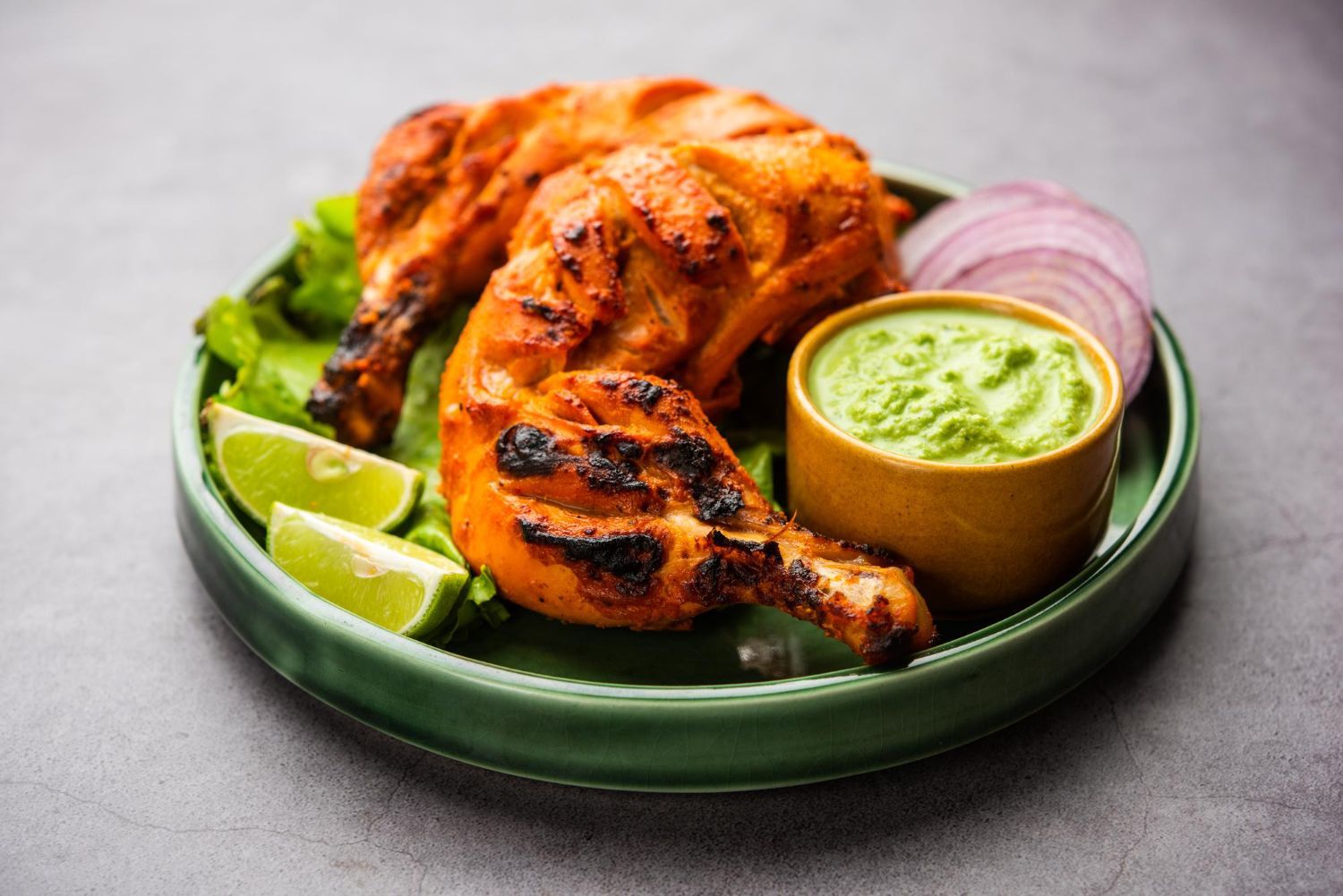
- Tandoori chicken, marinated, then cooked until the edges catch and the inside stays tender
- Lamb chops, which pick up a rich, smoky crust from the coals
- Naan, slapped to the side of the clay and pulled out puffed and slightly blistered
On a cold February evening, those dishes hit the table still sizzling, sending curls of steam into the air. This is the kind of food that makes winter feel softer and friendlier.
Behind the Scenes with the Tandoor Chefs and Their Time-Honoured Skills
Before the first guests arrive, the tandoor chefs are already at work. Charcoal goes in, fire is set, and the glowing bed is slowly built up. There is no simple switch for this. It needs time, patience and a watchful eye.
While the coals heat, marinades are checked, spices are mixed, and trays of skewered meat and veg line up, ready for service. Dough is rolled and rested so it is ready to become naan at a moment’s notice.
Working a charcoal tandoor is part cooking, part instinct. Our chefs learn:
- How the colour of the coals shows the heat level
- How the feel of the clay rim tells them if the oven is ready
- How the sound of sizzling meat can signal when to turn a skewer or pull it out
There are no timers for every dish. Instead, there is a sense of rhythm. The chef will reach into the oven with long metal skewers, judge the heat, and know if the food needs a little more time. These skills are passed down, shared in quiet tips during prep and busy jokes during service.
Behind each plate there are people with their own stories. Staff who have seen guests grow from children into adults, dishes that have been linked with family memories, and recipes that carry the names and touches of those who first created them. This is what gives the room warmth that goes beyond the heat of the tandoor.
Classic British Indian Comfort Dishes with a Charcoal Kiss
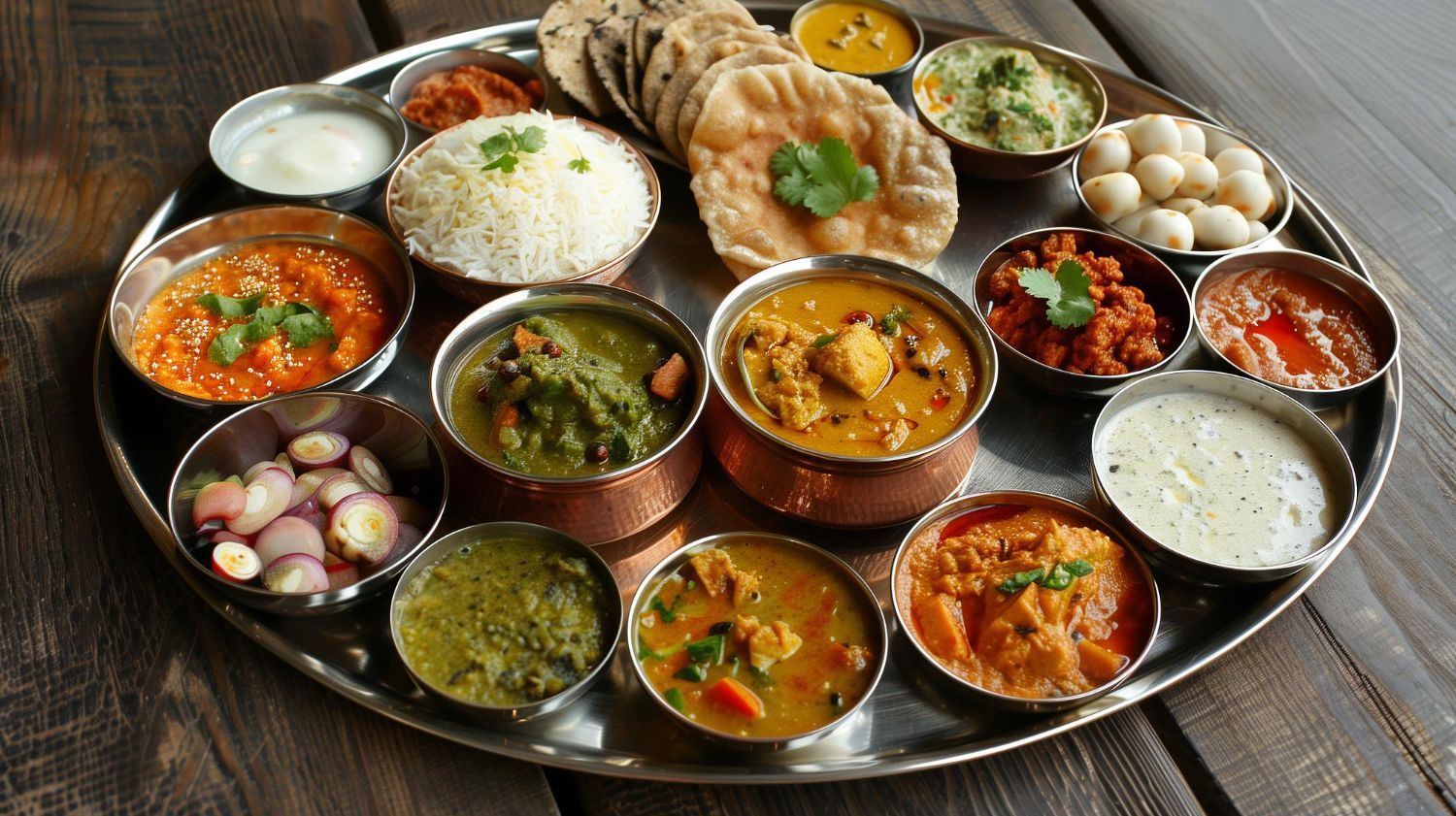
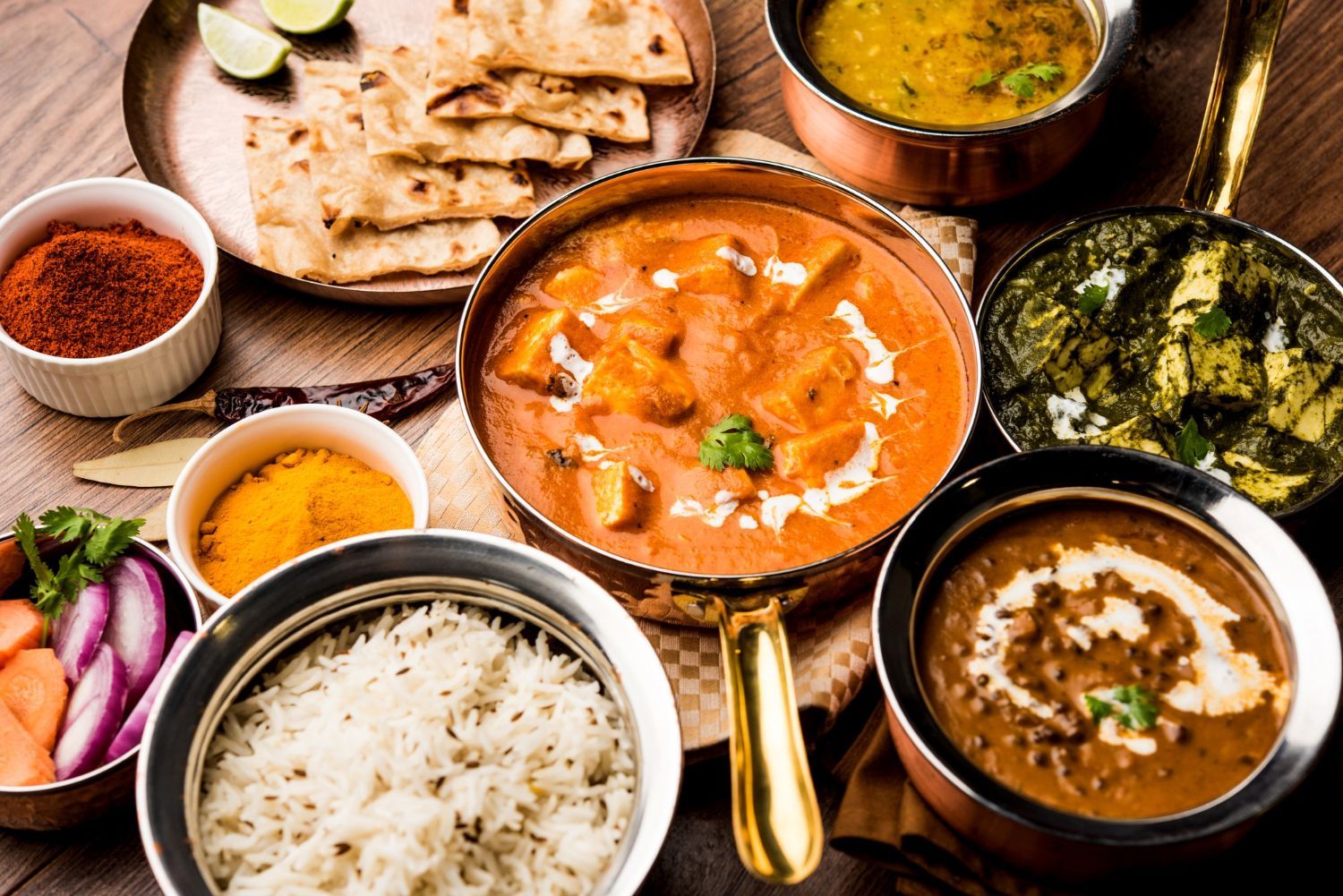
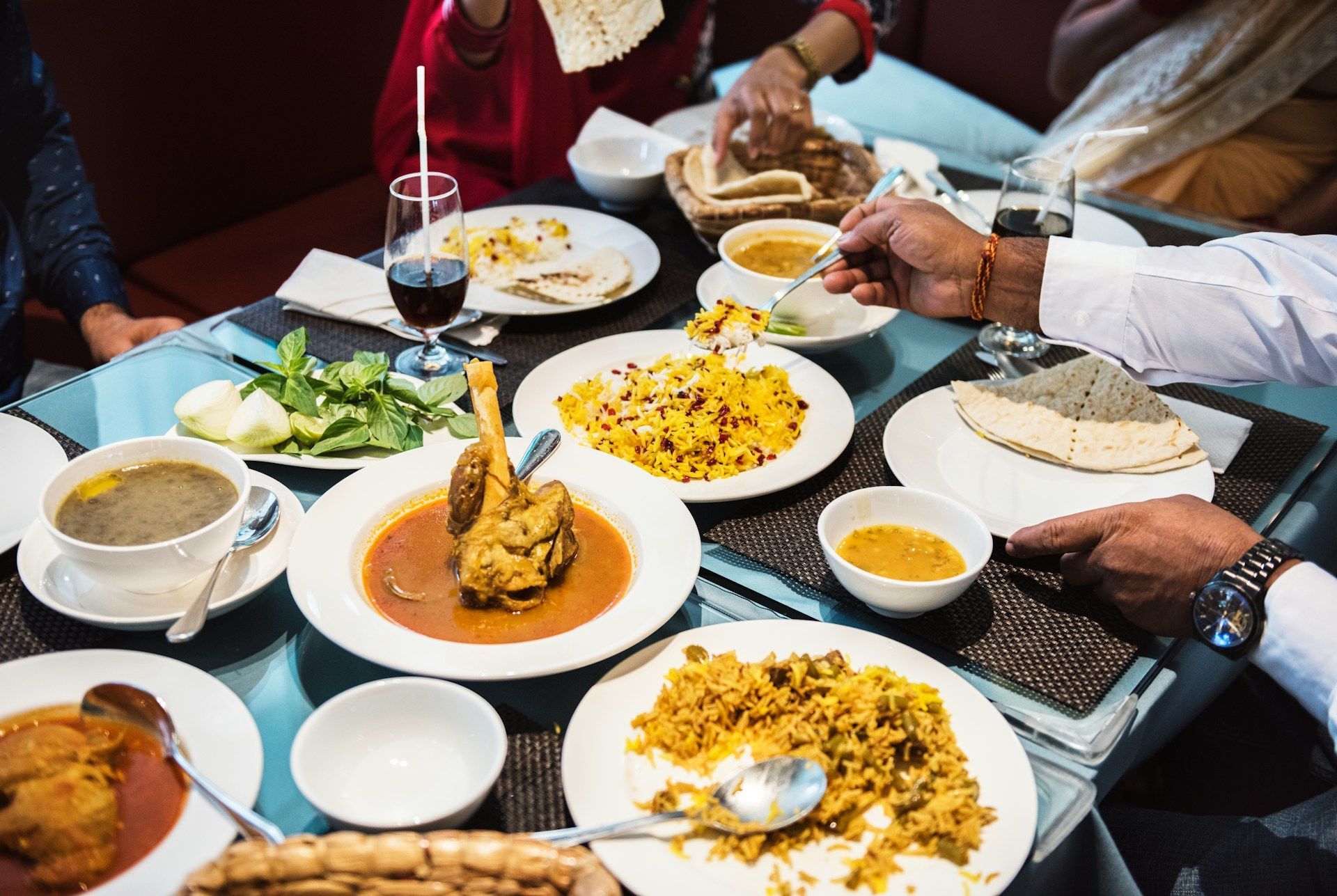
Our menu is built around dishes that many people in London grew up with on cold nights and late evenings. They are the kind of plates that land on the table and make everyone reach for a piece of naan at once.
The charcoal tandoor gives these classics a special twist. Think of:
- Tikka and kebabs, with charred edges and soft centres
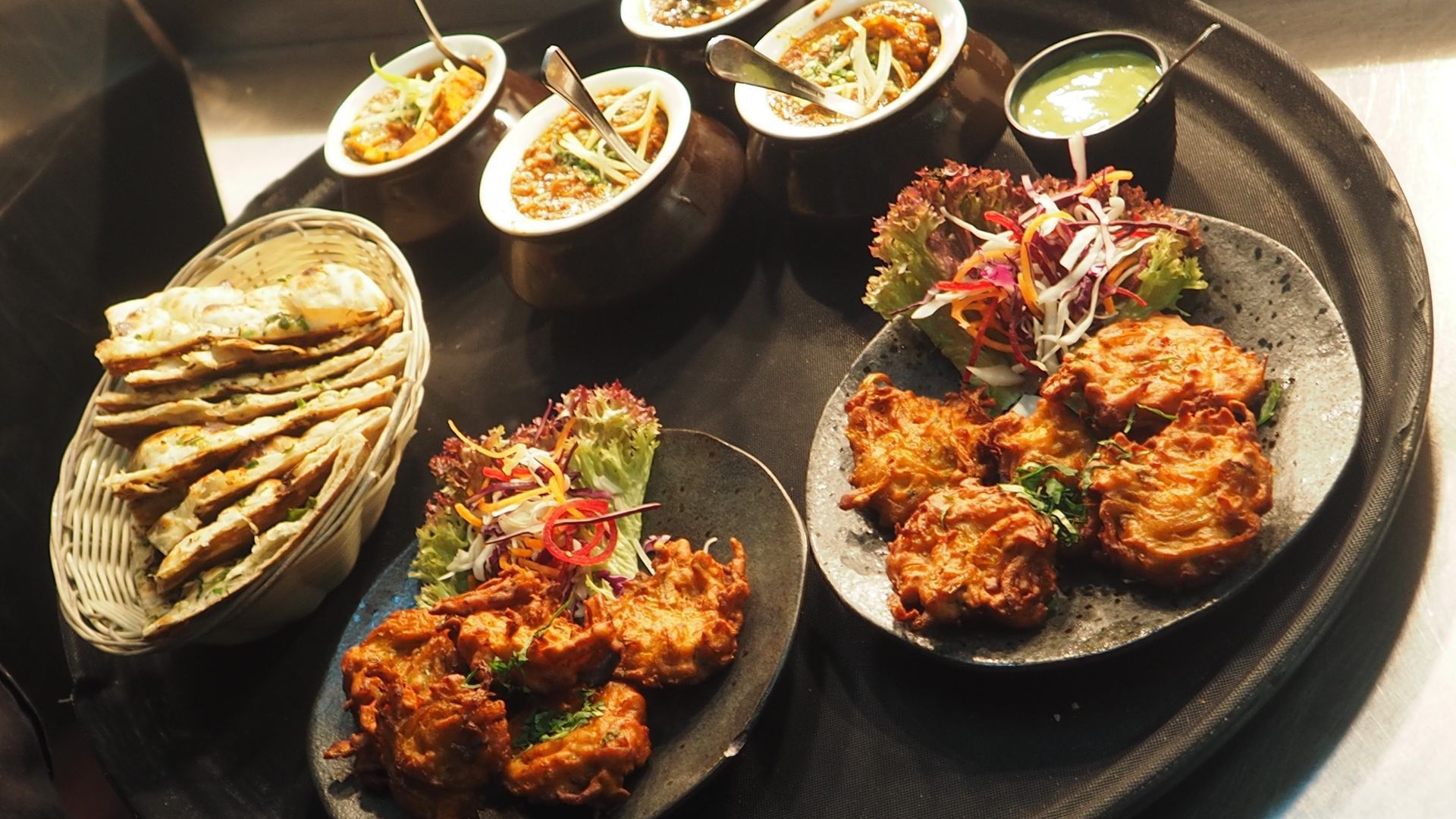
- Platters of mixed tandoori pieces that arrive on sizzling plates
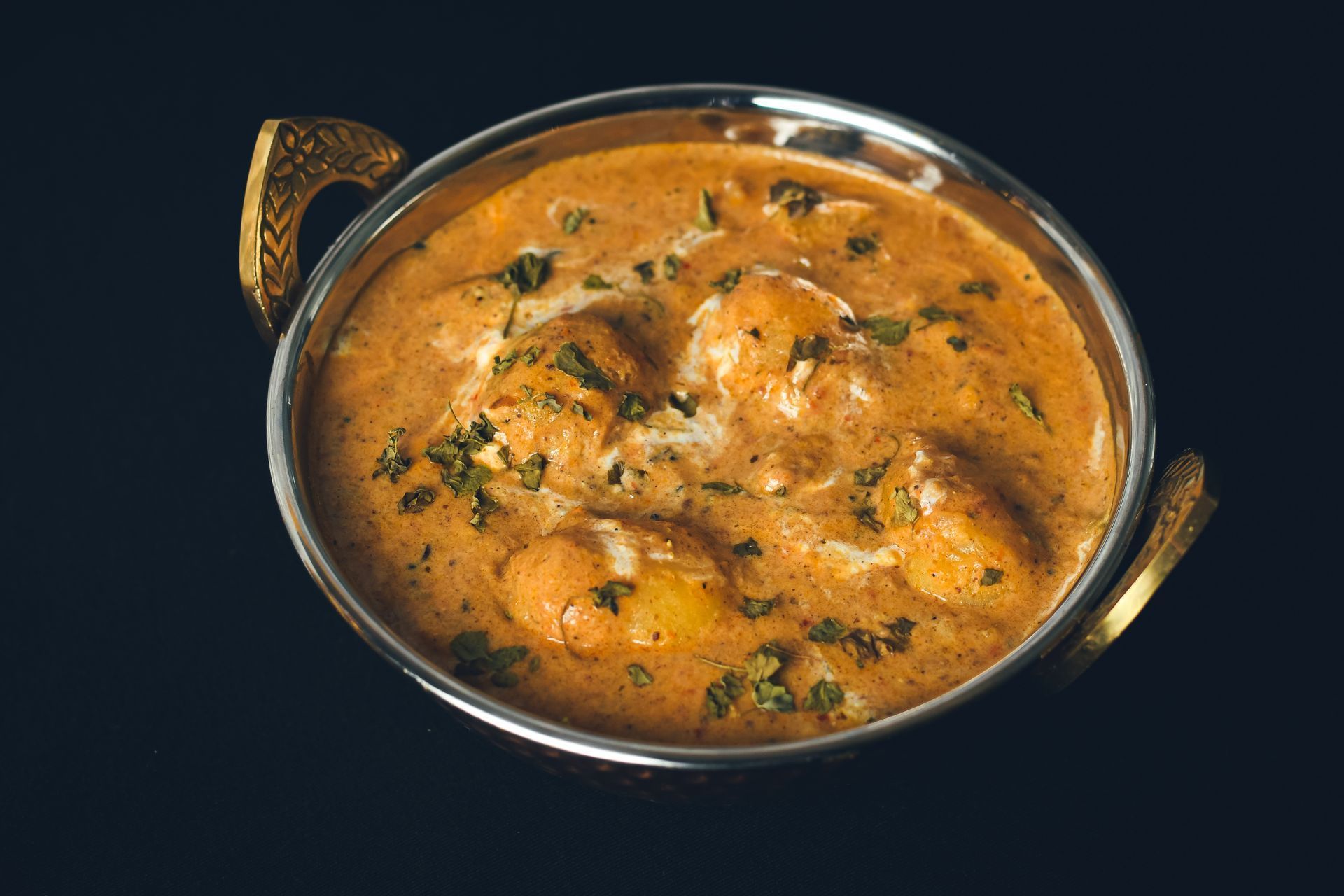
- Creamy curries, rich and slow-cooked, ready to be scooped up with hot bread
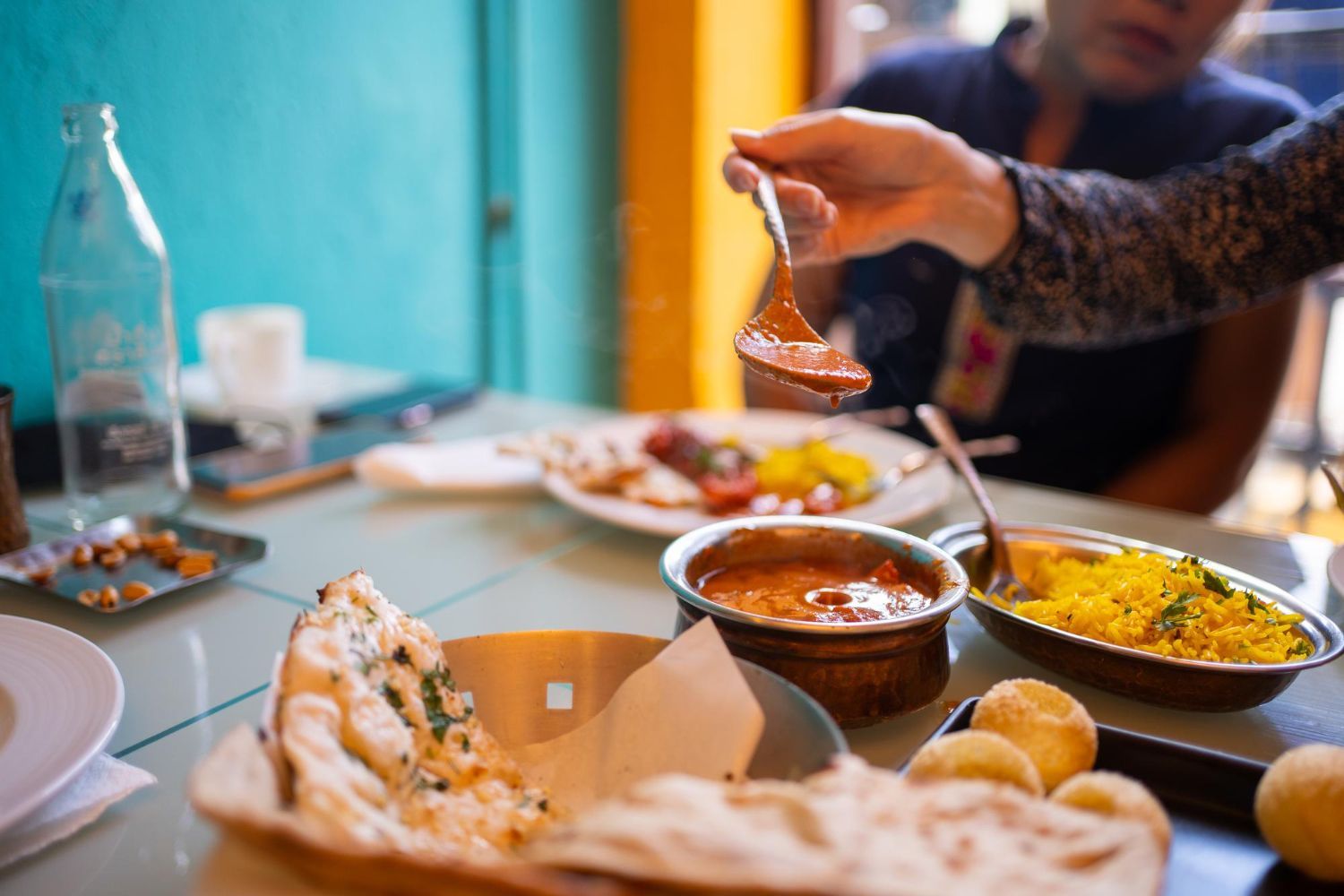
In the heart of winter, guests often look for food that feels like a hug. A smoky tandoori platter to start, followed by a comforting curry and a basket of naan straight from the clay, can turn a grey evening into something warm and slow.
We also know that not everyone wants something heavy. Our tandoor works just as well for vegetables and lighter dishes. Charcoal brings depth and character without needing to overload the plate. This makes our tandoori restaurant in London a place where mixed groups can all find something that suits them, from rich and indulgent to simple and fresh.
How to Experience Tower Tandoori Like a Local This Winter
For many visitors exploring Tower Bridge and the riverside paths in winter, the day starts bright and crisp and slowly turns cold and dark. That is often when the thought of a charcoal-warmed meal begins to sound very tempting.
Locals tend to plan their visit around the quieter times. Early evenings are often easier if you want a calm, lingering meal, while later hours can be livelier as groups arrive after work or a walk along the Thames. Regulars usually mix shared starters from the tandoor with a favourite curry and naan, so everyone can taste a bit of everything.
If it is your first time, it can help to:
- Start with a tandoori or mixed grill platter
- Add at least one bread fresh from the clay oven
- Balance rich dishes with a lighter side so you can enjoy more flavours
Many guests like to stretch the evening, pairing a slow meal with a gentle stroll past Tower Bridge lights or a relaxed drink nearby, letting the warmth of dinner carry them through the cold.
At Tower Tandoori, we see ourselves as keepers of one small but glowing part of London’s food story. Our charcoal tandoor, our family roots and our love of classic British Indian comfort dishes all come together to create a space where winter feels a little less sharp and a lot more welcoming.
Experience Authentic Flavours In The Heart Of London
If you are craving rich spices, freshly prepared dishes and a welcoming atmosphere, our
tandoori restaurant in London is ready to host you. At Tower Tandoori, we take pride in serving food that reflects our heritage while catering to your taste. Whether you are planning an intimate meal or a gathering with friends, we are here to make it memorable. If you have any questions or special requests, please
contact us.