The Science Behind Indian Food's Unique & Delicious Flavours
Indian cuisine is recognized for its distinctive and mouthwatering flavours. One of the most well-liked cuisines in the world is Indian food. But why is Indian cuisine so delicious? It turns out that Indian food is so fantastic to have a scientific basis.
The science behind Indian food is rooted in Ayurveda, an ancient Indian system of medicine and nutrition. Ayurveda recommends that food be cooked with a combination of spices to enhance flavour, nutrition, and health benefits.
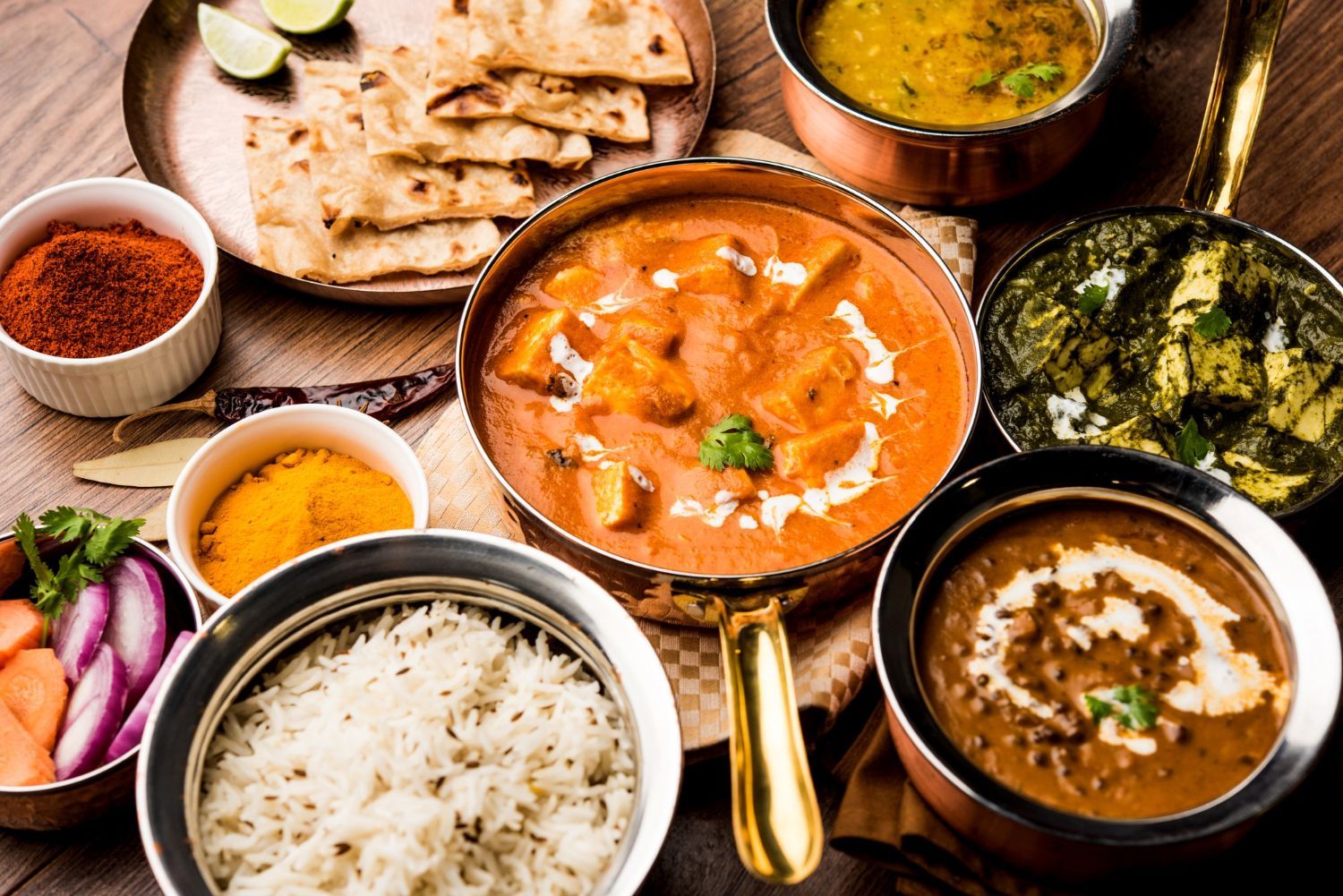
This combination of spices is known as the "masala." The masala includes a variety of spices, such as cumin, turmeric, chilli powder, coriander, and ginger, which are all known for their nutritional and medicinal properties.
The spices used in Indian cooking are known for their ability to stimulate the senses. The aromas of the spices can have a calming effect, while the flavours and textures can be stimulating and invigorating. The spices also have a variety of health benefits, such as helping to reduce inflammation, improving digestion, and providing anti-oxidants.
Read on to know more about why Indian food is tasty and where to find the best Indian food in London.
Science Behind Indian Food
Researchers looked at more than 2,500 recipes to discover what makes Indian food so delicious. It turns out that Indian cuisine differs significantly from Western cuisine.
Indian food is unique in that it combines tastes from many cuisines that don't even share the same "flavour components," microscopic timbres signify things like various degrees of sweetness, sourness, or spiciness. Foods that share these compounds are frequently combined in Western cuisines, yet this rarely turns out well.
Indian cuisine has a prominent characteristic of bad food pairing, which is in contrast to the observed positive food pairing in many Western cuisines, according to the researchers' investigation. The degree of flavour sharing between any two ingredients is inversely proportional to how frequently they appear together.
There is a slim chance that a cayenne-containing component in an Indian meal will also include similar compounds, but you might find other spices with complementary but distinct qualities. Bengali, Punjabi, and South Indian are among the eight categories that apply to the examined sub-cuisines.
The 194 ingredients, spices, seeds, meats, and herbs, were divided into 15 groups. However, the elements that ultimately distinguished Indian cuisine were the spices and the combinations and blending of those spices.
An unspoken but widely accepted idea governed by recipe-building in North America, Western European, and Latin American cultures states that flavours should be blended for tastier meals. This idea is essentially reversed in Indian food in London. The study found that while each spice is vulnerable to substitution even with different spices, it is deliberately put in its recipe to create the flavour-sharing pattern with the other ingredients.
The warm sweetness of ginger, the mild bitterness of tamarind, and the zingy freshness of cilantro are just a few instances of the extremely various roles that each spice plays in the recipe in which it is used. And the combination of several of these ingredients—a typical Indian meal may contain a dozen different herbs and spices—gives chana masala its distinctive flavour.
Therefore, even though your instincts may tell you to add more sweet, hot, and spicy than you are, consider that occasionally opposites attract, and the result is amazing.
Conclusion
Indian cuisine is one of the world's most delicious and varied cuisines. This is due to its reliance on complex spices and traditional cooking methods. The use of spices is thought to have originated from ancient Indian medicinal practices and is believed to have both health benefits and an irresistible flavour.
Furthermore, the variety of dishes available in Indian cuisine gives it a unique flavour, unlike any other cuisine. The combination of spices, cooking methods, and a variety of dishes all contribute to the delicious and varied flavours of Indian food—so make sure to visit the best Indian restaurant in London!
Tower Tandoori is one of London's oldest Indian restaurants serving authentic delicacies. Dine with us if you're looking for the
best Indian food in London!