What Makes a Truly Traditional Indian Food Experience in London
Discovering Authentic Flavours in the Heart of London
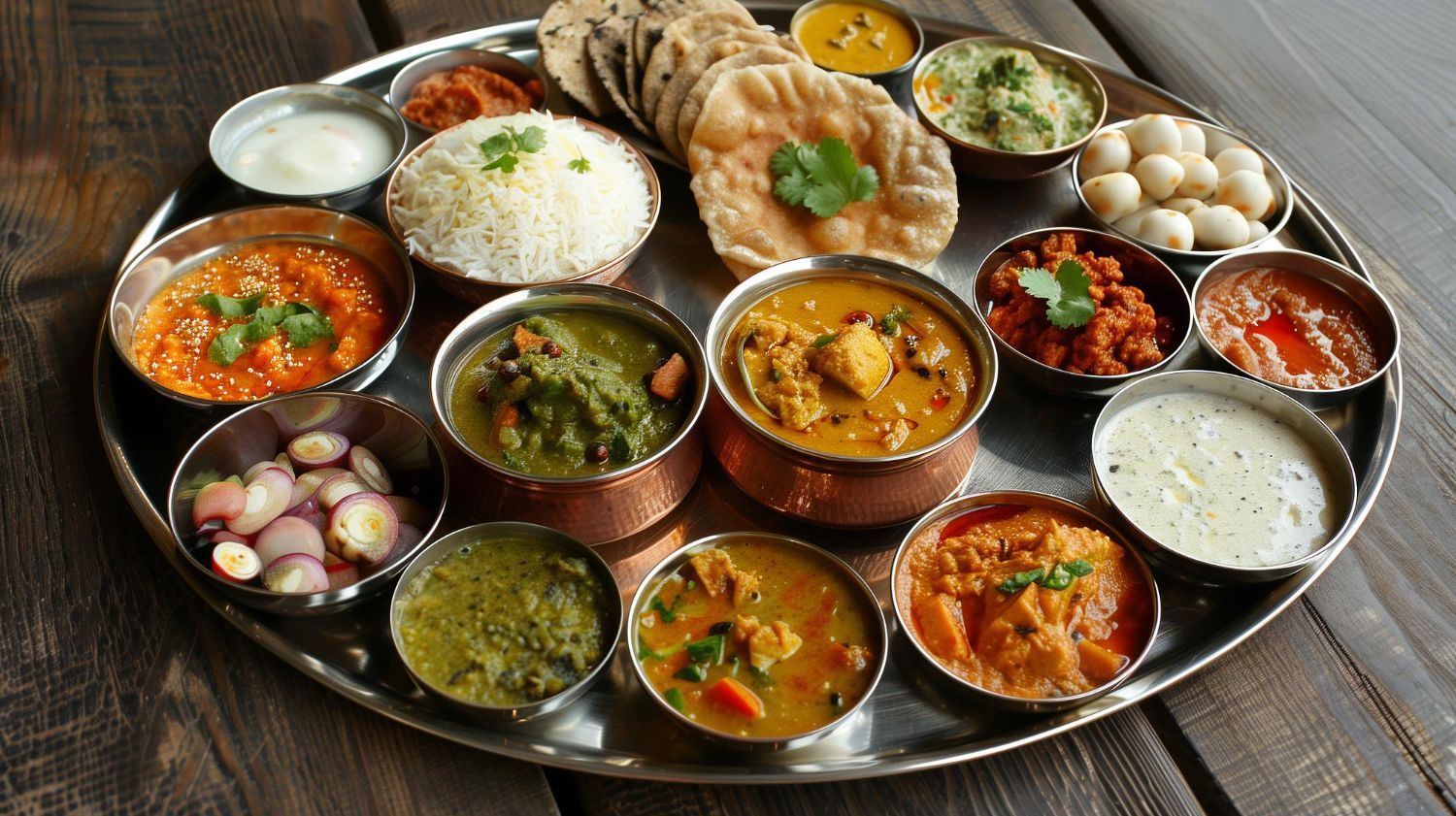
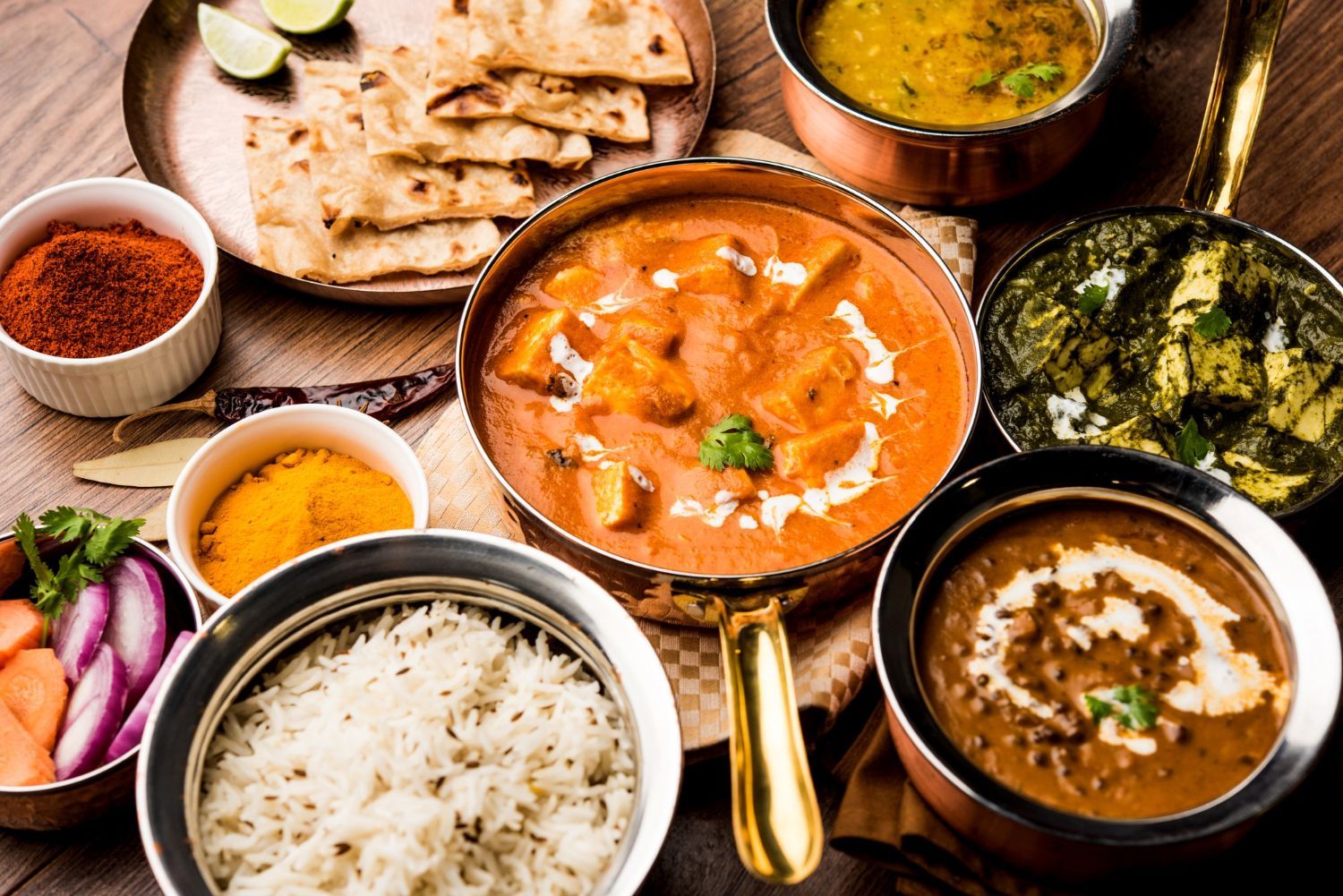
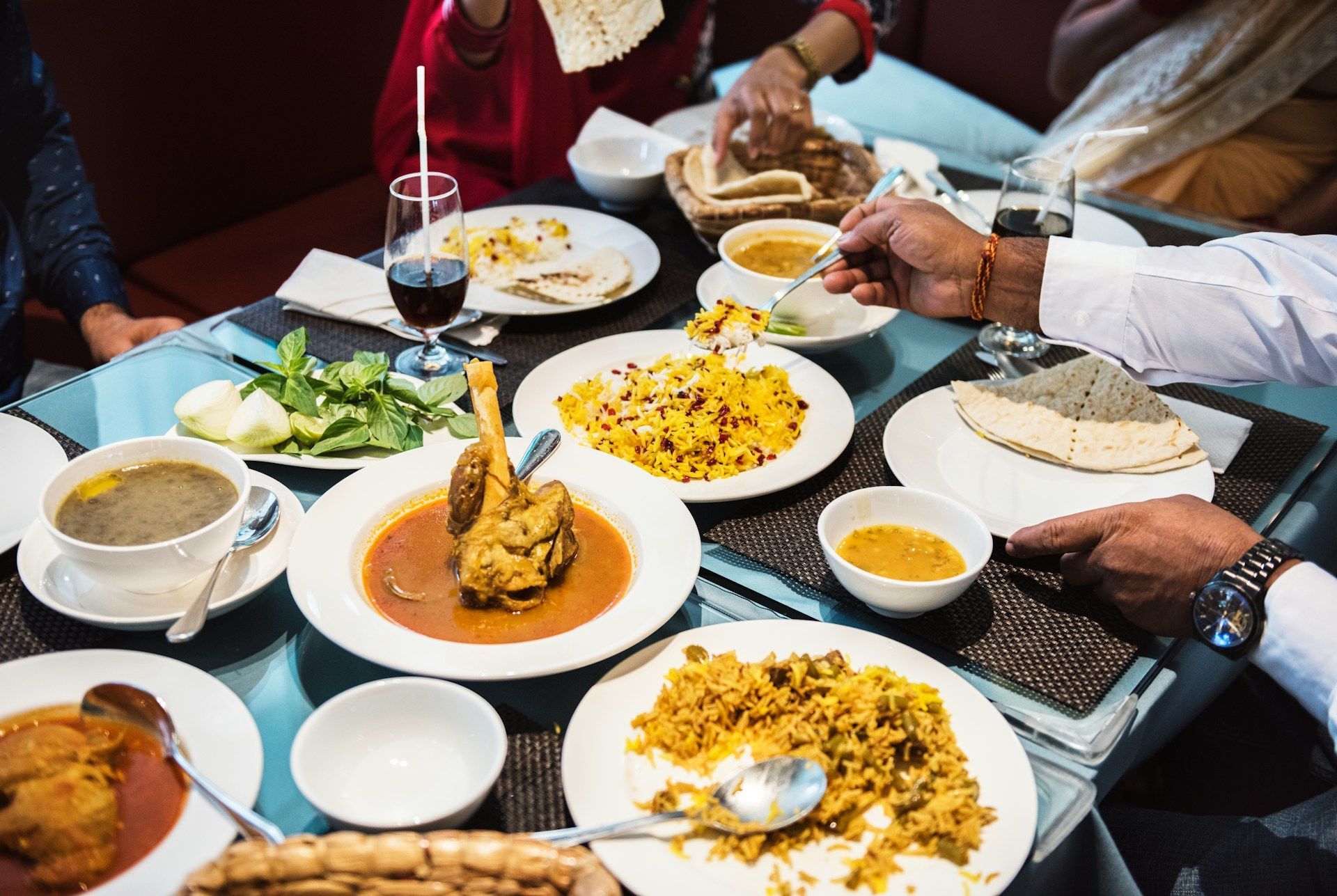
Traditional Indian food in London is about much more than a plate of curry and rice. It is about how the food is cooked, how long the recipes have been loved, and how every spice is treated with care. When people look for a truly traditional Indian food experience, they are really searching for depth of flavour and honest cooking, not quick trends or fancy tricks.
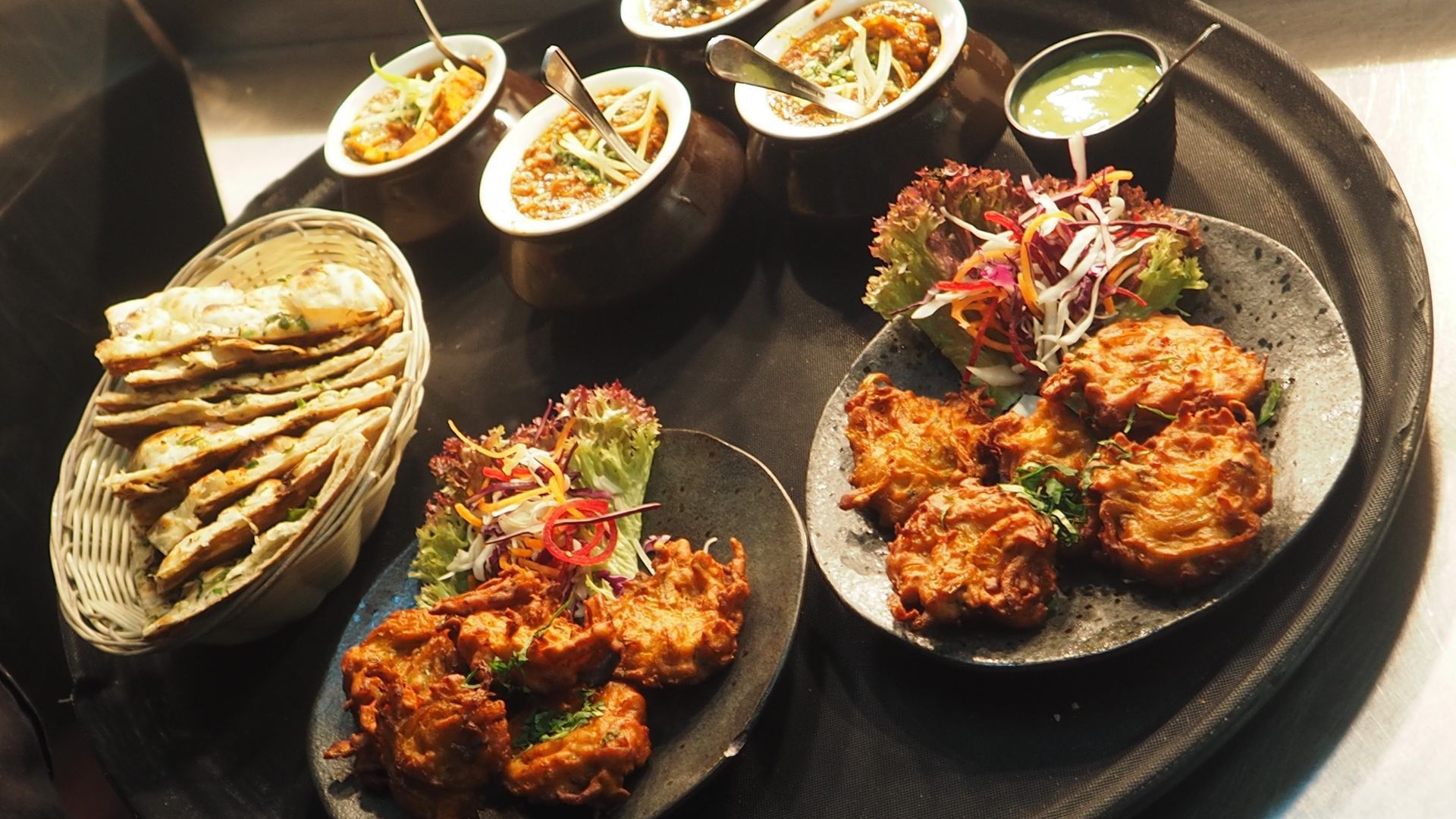
A good sign is when a kitchen keeps time-honoured methods at the centre of everything. That means marinades that rest, sauces that simmer, and breads that are made just before they reach your table. These details may sound small, but they add up to food that tastes warm, full, and well-balanced.
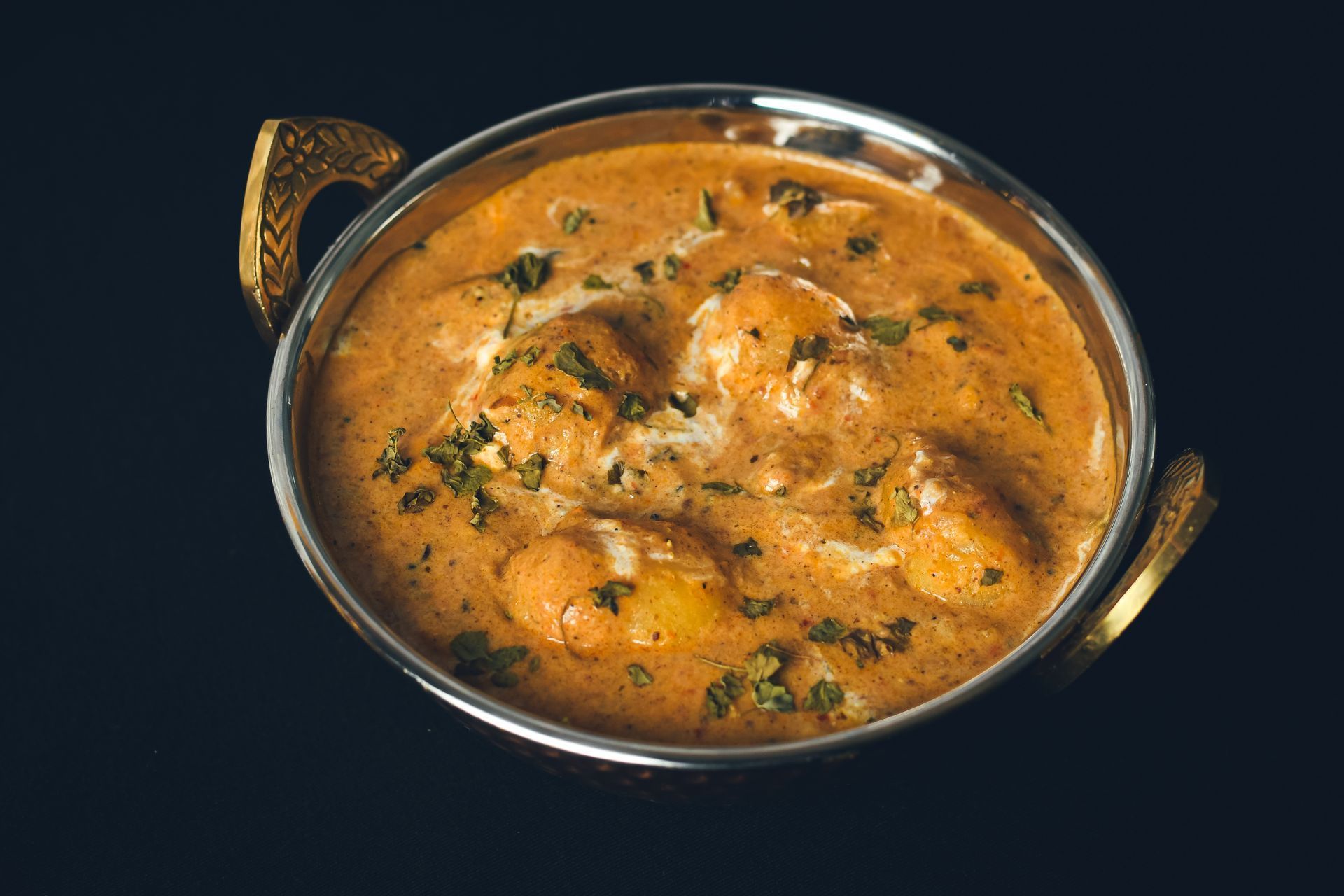
There is also a big difference between a generic curry and a carefully made regional dish. A simple curry can feel flat, with one main flavour that takes over. A slow-cooked sauce, on the other hand, lets ginger, garlic, chilli and whole spices shine at different moments. Freshly rolled naan or roti keeps its soft chew and slight char, instead of turning heavy or dry.
Near Tower Bridge, the mix of old stone, river views, and city lights gives a special frame to any meal. In this historic part of London, traditional Indian cooking sits naturally among the cobbles and arches. For us, being here since the late seventies means we are part of the area’s food story, serving classic British Indian dishes that feel both familiar and rooted in real technique.
The Heart of Tradition: Charcoal, Tandoors and Time-Honoured Methods
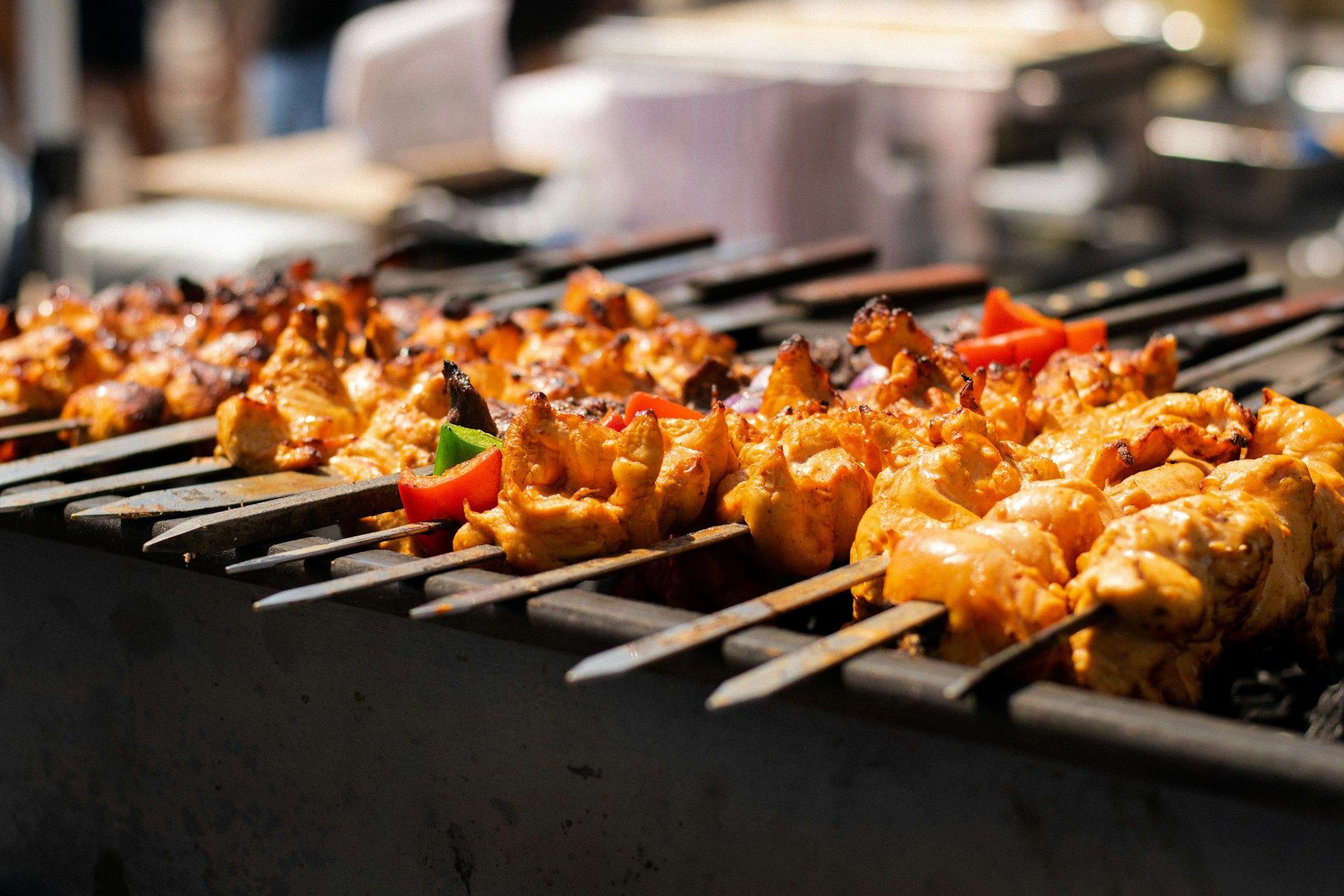
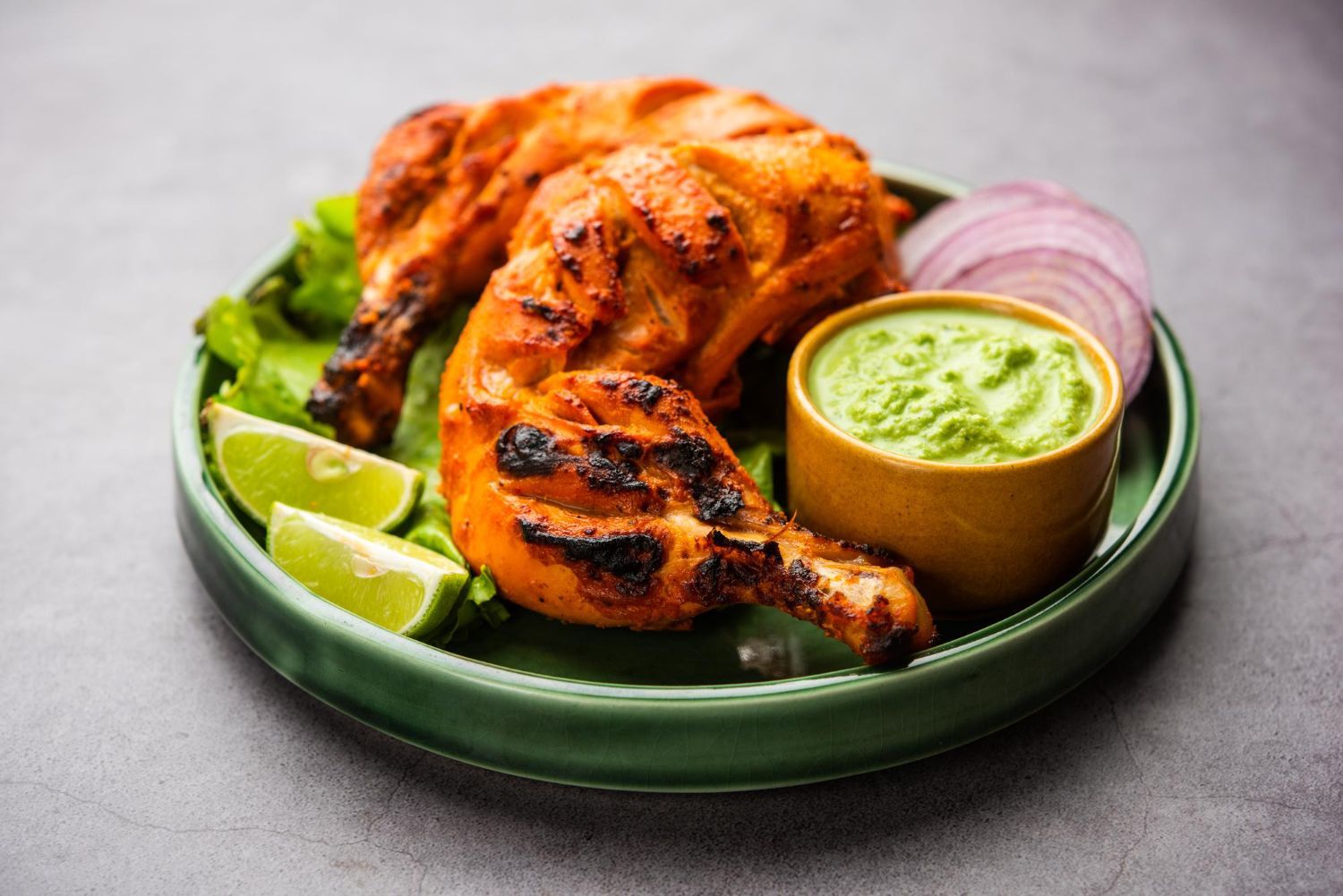
At the centre of many traditional dishes is the tandoor, a deep clay oven that runs on live charcoal. Cooking with real charcoal changes everything. It gives food a gentle smokiness, a slight crisp on the outside, and a tender middle that is hard to match in a regular oven.
Tandoori chicken, seekh kebabs and fresh naan rely on this heat. When they are lowered into the tandoor, the high temperature locks in juices quickly. Kebabs pick up the smoke as they cook, while naan clings to the hot wall and puffs up, getting those little charred spots that taste so good. These dishes are simple in idea, but the method needs practice and care.
Across three generations, we have kept these techniques at the heart of our cooking. The tools may be looked after and replaced over time, but the way we use them has stayed steady. We still lean on:
- Slow marinades that sit long enough for spices to soak right through
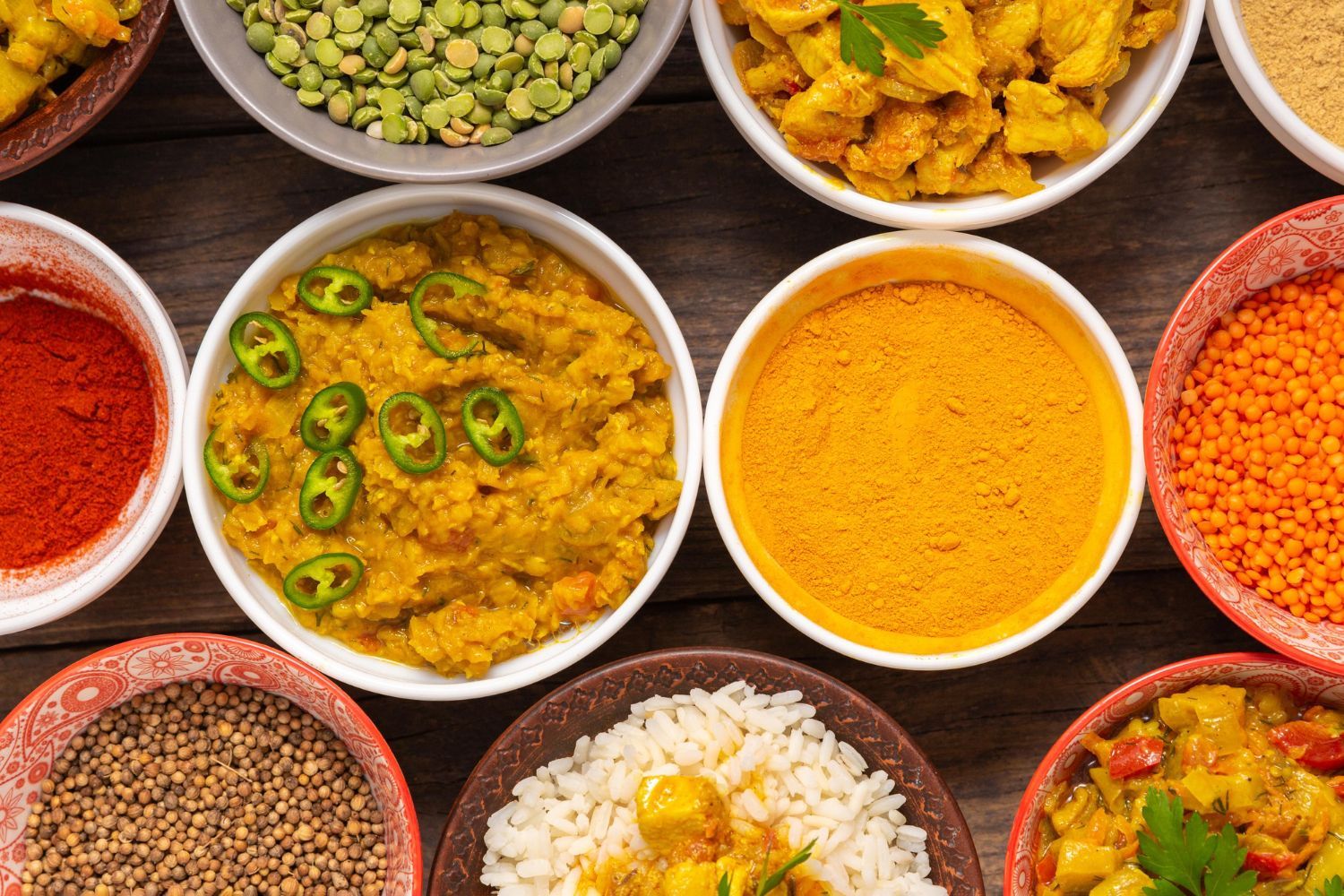
- Hand-ground spice mixes that are blended in the kitchen
- Sauces that are cooked in stages, not rushed in one go
- Breads shaped by hand and cooked to order
Modern shortcuts, like pre-cooked meats or ready-made pastes, can save time but often flatten the flavour. When food is cooked fresh to order, you can taste the layers of spice and the brightness of herbs, not just heat or cream. That is where a truly traditional Indian food experience starts to stand out.
Family Heritage on a Plate
A family-run restaurant changes as a city changes, but its roots stay deep. Since the late seventies, our dining room near Tower Bridge has welcomed local residents, office workers finishing a long day, and visitors seeing London’s landmarks for the first time. Over time, faces return, stories grow, and recipes become part of daily life, not just special nights out.
Being a third-generation family business means we think a lot about balance. We protect the dishes that built our name, while also listening to what people enjoy now. Lighter grills, different dietary needs, and seasonal produce all play a part. Yet the base stays the same: classic British Indian favourites, charcoal cooking, and sauces that taste like they have been stirred with patience.
The way we greet people matters as much as the way we season food. A family-run space often has:
- Staff who remember regulars and their usual orders
- A calm, warm welcome, even when the room is busy
- Small touches, like checking how spicy you really like your dishes
- A sense that you are being looked after, not rushed
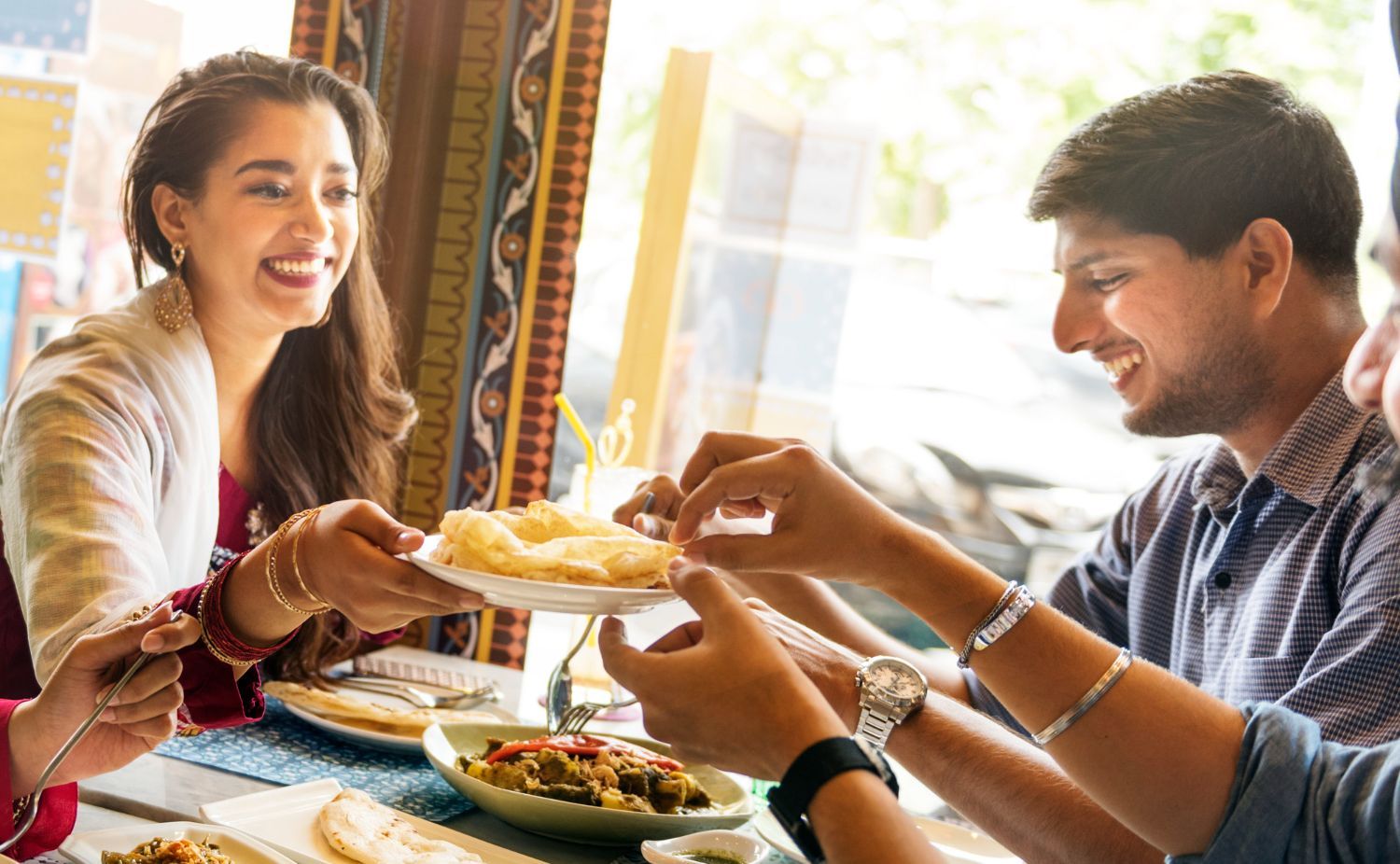
This kind of Indian hospitality is a quiet part of tradition. It turns a meal from a quick stop into a relaxed evening where you can slow down and enjoy what is on your plate.
Seasonal Spices and Spring Evenings in March
Spring in London brings lighter skies, cool breezes along the river, and that shift from heavy comfort food to something a bit brighter. In March, people often want a mix: some dishes that still feel cosy on a chilly evening, and others that feel fresh and lively.
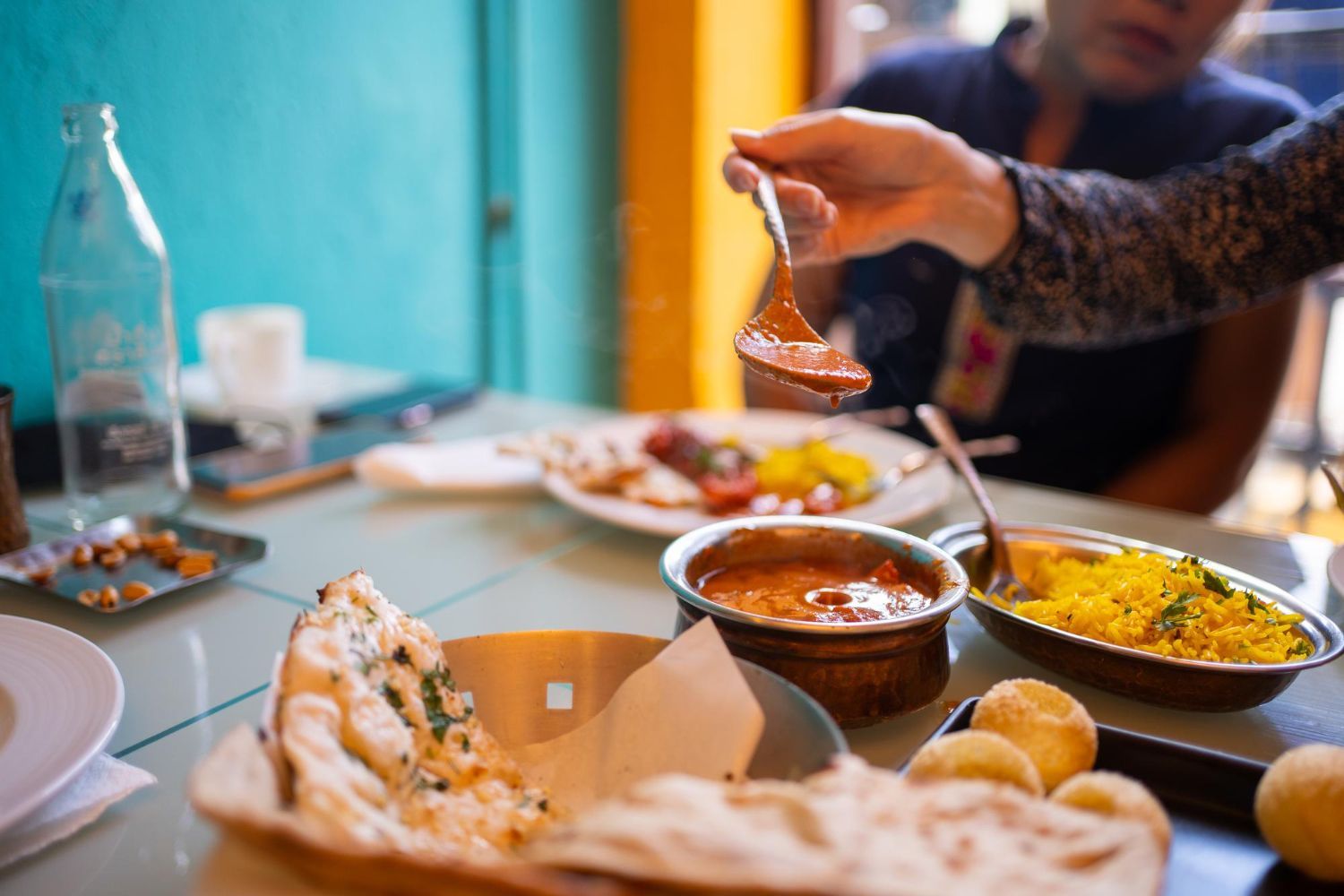
Traditional Indian food fits this mood well. You might choose a slow-cooked curry with tender meat or vegetables for that warm, wrapped-up feeling. At the same time, tandoori grills, crisp salads, and chutneys full of herbs and citrus keep things light enough for the season. Sharing a few different plates across the table makes it easy for everyone to find their own balance.
Spring also brings colourful celebrations, like Holi and other early festivals, that match the bright colours of Indian cooking. Think vivid sauces, pickles that wake up the palate, and breads to tear and share. The food suits a time of year when people feel ready to get out more and enjoy the city again.
Near Tower Bridge, a simple plan can feel special. A late-afternoon walk along the river, watching the light shift on the water, followed by a seat in a cosy dining room, warm from the tandoor. Fresh naan arrives at the table still puffed and steaming, grills carry their charcoal aroma, and there is time to sit back after sightseeing or office hours and let the evening stretch.
How to Recognise a Truly Traditional Indian Food Experience
For anyone trying to find real traditional Indian food in London, a few clear signs can help. Look for a menu that feels focused, not packed with every dish under the sun. Classic British Indian favourites, mention of a real tandoor, and a clear place for grills, curries, and breads usually show that the kitchen knows what it does best.
You can also watch how food is prepared and served:
- Are breads arriving hot and soft, as if just cooked?
- Do you see signs of charcoal cooking, like light charring and smoky aroma?
- Are herbs bright and fresh, not dull and tired?
- Do staff happily explain dishes and suggest house favourites?
Traditional does not have to mean stiff or old-fashioned. It means honest methods, respect for spices, and care at each step. We always suggest looking beyond the same few dishes people tend to order every time. Ask which recipes have been on the menu longest, which sauces take the most time, and which grills show off the tandoor best.
Near Tower Bridge, a place that feels like a local institution rather than a quick tourist stop will often give you the truest taste. Freshly cooked breads, charcoal-grilled mains, and time-tested curries, all served in a room that feels lived-in and loved, are strong clues that you have found the real thing.
London’s Traditional Side at the Tandoor
Traditional Indian food is about keeping fire, spice, and family knowledge at the centre of every meal. In a city full of choice, finding that kind of depth can turn a normal night out into something quietly memorable. A walk near Tower Bridge, followed by food cooked over charcoal and recipes shaped across generations, brings together London’s history and India’s cooking in one simple moment at the table.
At Tower Tandoori, we are proud to carry our family’s approach into each spring evening, with tandoor flames glowing, breads rising on the heat, and classic dishes that feel right at any pace of city life.
Experience Authentic Flavours In The Heart Of London
If you are craving the rich flavours and warm hospitality of genuine Indian cooking, we would love to welcome you to Tower Tandoori. Explore our carefully curated menu of
traditional Indian food crafted using time-honoured recipes and quality ingredients. Whether you are planning a relaxed meal for two or a gathering with friends and family, we are here to make it memorable. If you have any questions or wish to book a table, please
contact us.